
Understanding Ice Dams on Wisconsin Roofs
To understand What is the best roof for snow and ice dams in Wisconsin?, you first have to understand the science of how your roof fails in the winter. Most people think ice dams are caused by the roof itself, but they are actually a thermodynamic problem.
It starts with thermal bridging. This happens when heat from your living space escapes into the attic through gaps around light fixtures, plumbing stacks, or attic hatches. This warm air rises and heats up the underside of your roof deck. When the roof deck gets above 32 degrees, the bottom layer of snow starts to melt.
As that meltwater runs down the slope, it eventually hits the eaves. Because the eaves hang over the edge of the house, they aren't warmed by the attic. They stay at the outdoor temperature, which is often well below freezing. The water refreezes right there at the edge, forming a ridge of ice. Over time, this ridge grows into a dam that traps more meltwater behind it. Since roofing materials are designed to shed water downward, they can't handle the hydrostatic pressure of standing water pushing upward.
You can learn more about identifying these issues in The Wisconsin Homeowner’s Guide to Ice Dams: Identifying and Solving. If you are already seeing signs of trouble, check out our guide on more info about ice-dam repairs.
What is the best roof for snow and ice dams in Wisconsin?
When we look at snow accumulation, we have to consider how the roof handles heat transfer and moisture. A roof with a steep pitch is generally better because it encourages snow to slide off before it can melt and refreeze. However, even a steep roof can suffer if the insulation is poor.
The best roof is a system that keeps the roof deck as cold as the outside air. This means using materials that don't trap heat and ensuring the installation includes heavy-duty moisture control. In our neck of the woods, that usually means a high-quality metal roof or a GAF shingle system with an airtight underlayment.
Why Wisconsin Climate Demands Better Roofing
Wisconsin isn't like other states. Our weather is a roller coaster. In the Northwoods, specifically in places like Eagle River, Land O’ Lakes, and Minocqua, we face extreme conditions. Vilas County can see up to 125 inches of snow in a single season.
The weight of that snow is no joke. Ground snow loads in northern counties like Iron and Oneida range from 40 to 50+ pounds per square foot (psf). In contrast, southern counties like Kenosha only deal with 20 to 25 psf. When you add in the fact that wet, dense snow in Wisconsin can exceed 20 pounds per cubic foot, you realize your roof is carrying the weight of several pickup trucks all winter long. You can read more about these challenges in Durable Roofing Materials For Cold Climate Homes.
Comparing Metal vs. GAF Asphalt Shingles for Snow
Choosing between metal and shingles is the biggest decision you will make. Both can be excellent choices if installed correctly for our climate.
| Feature | Standing Seam Metal | GAF Timberline Shingles |
|---|---|---|
| Snow Shedding | Fast and efficient | Slower, holds snow longer |
| Ice Dam Resistance | High (smooth surface) | Moderate (requires underlayment) |
| Lifespan | 40 to 70 years | 25 to 30 years |
| Initial Cost | Higher | Lower |
| Maintenance | Low | Low to Moderate |
For a deeper dive into the numbers, see our Metal Roof Cost vs Shingles Wisconsin guide.
Choosing GAF: What is the best roof for snow and ice dams in Wisconsin?
For many homeowners in Rhinelander or Tomahawk, GAF architectural shingles are the best balance of cost and performance. We only use GAF shingles because they are built to handle the wind and ice of the Northwoods. We recommend GAF because their Master Elite standards ensure a level of durability that other brands struggle to match in sub-zero temps.
GAF Timberline shingles come with excellent wind ratings and algae resistance, which is important when snow sits on the roof for months at a time. When paired with a GAF Lifetime Warranty, you get peace of mind that your investment is protected. For pricing details, check out the Wisconsin Asphalt Shingle Roof Cost Guide.
The Benefits of Metal Roofing in the Northwoods
If you want the absolute "king" of snow shedding, metal is it. Standing seam metal roofs have a smooth, nonporous texture that allows snow to slide off easily. This prevents the massive buildup that leads to ice dams in the first place.
We often install DECRA metal roofing or standing seam panels in heavy snow areas like Boulder Junction and Presque Isle. These roofs can last up to 70 years, which is two to three times longer than asphalt. One thing to remember with metal: you must install snow guards. Without them, several tons of snow can slide off at once, potentially crushing your gutters or anything (or anyone) standing below the eaves. Learn more in our Metal Roofing Wisconsin Guide.
Critical Installation Practices for Winter Protection
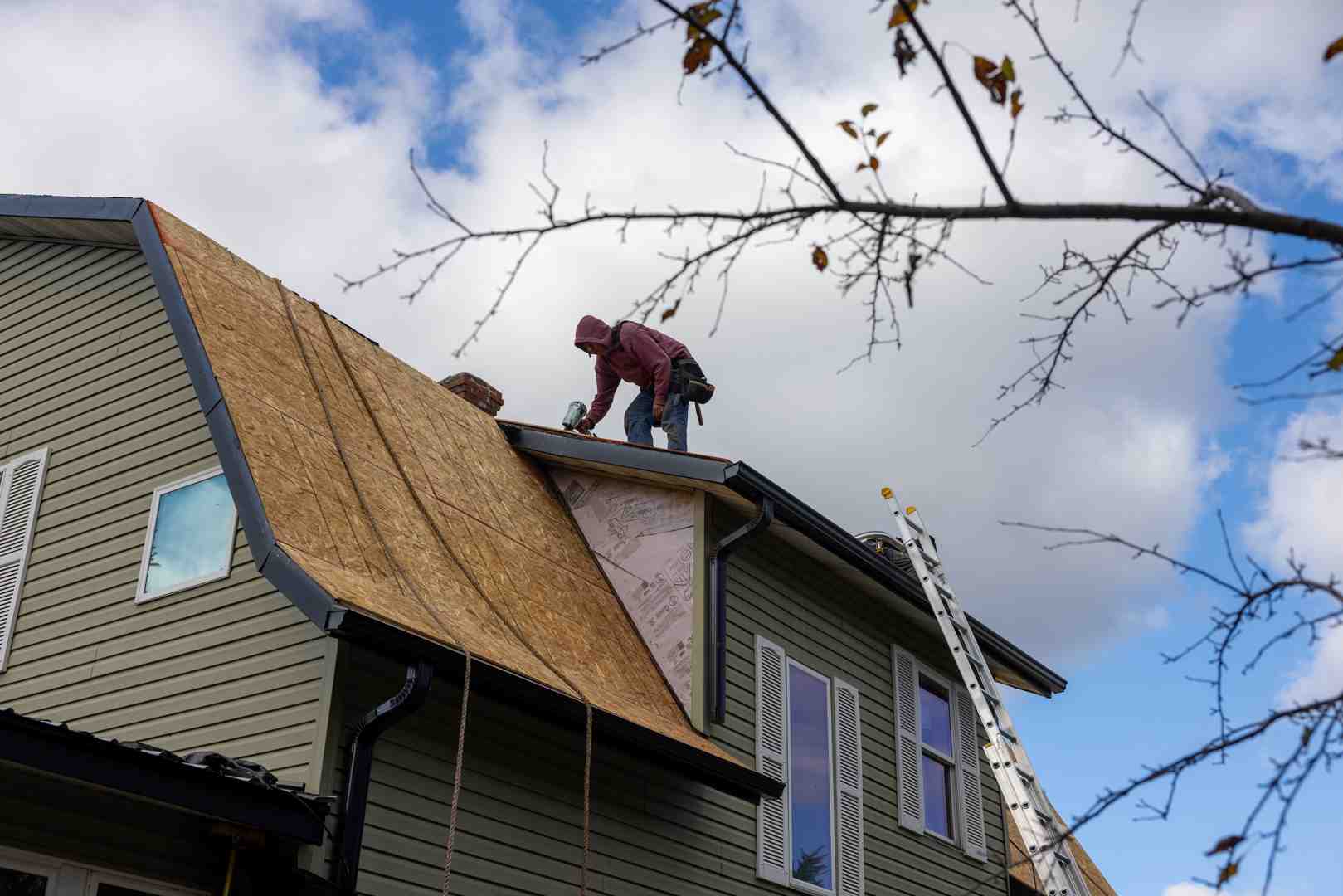
A great material installed poorly will still leak. In Wisconsin, the details matter more than the shingles themselves.
According to the Wisconsin Uniform Dwelling Code (UDC), an ice and water shield is required to extend at least 24 inches inside the exterior wall plane. This is a waterproof membrane that sticks to the roof deck. If an ice dam does form and water pools behind it, this shield acts as a final barrier to keep your plywood dry. For more technical details, see Ice Dam Prevention and Remediation for Wisconsin Roofs | Wisconsin Roof Authority.
Insulation and Ventilation Requirements
You cannot solve ice dams with a new roof alone. You must address the attic. The International Energy Conservation Code (IECC 2021) for climate zone 6 (which includes the Northwoods) requires a minimum of R-49 attic insulation.
Proper ventilation is the other half of the equation. You need a balanced system with soffit vents to pull cold air in and ridge vents to let warm air out. This keeps the roof deck at a uniform temperature. If your attic is as cold as the outside air, the snow won't melt, and the dam won't form. Before you start a project, it's a good idea to look at a roof inspection checklist.
Professional Installation vs. Common Mistakes
Installing a roof in April 2026 requires specialized knowledge. For example, if we are installing shingles in cold weather, we have to hand-seal them. Most shingles have a self-sealing strip that needs the sun's heat to activate. If it's 30 degrees out, they won't seal on their own, and a winter wind could blow them right off.
We also focus on flashing upgrades around chimneys and valleys, which are the most common leak points during a thaw. If your roof was damaged by a heavy winter, you might need to look into storm damaged roof repairs.
What is the best roof for snow and ice dams in Wisconsin?
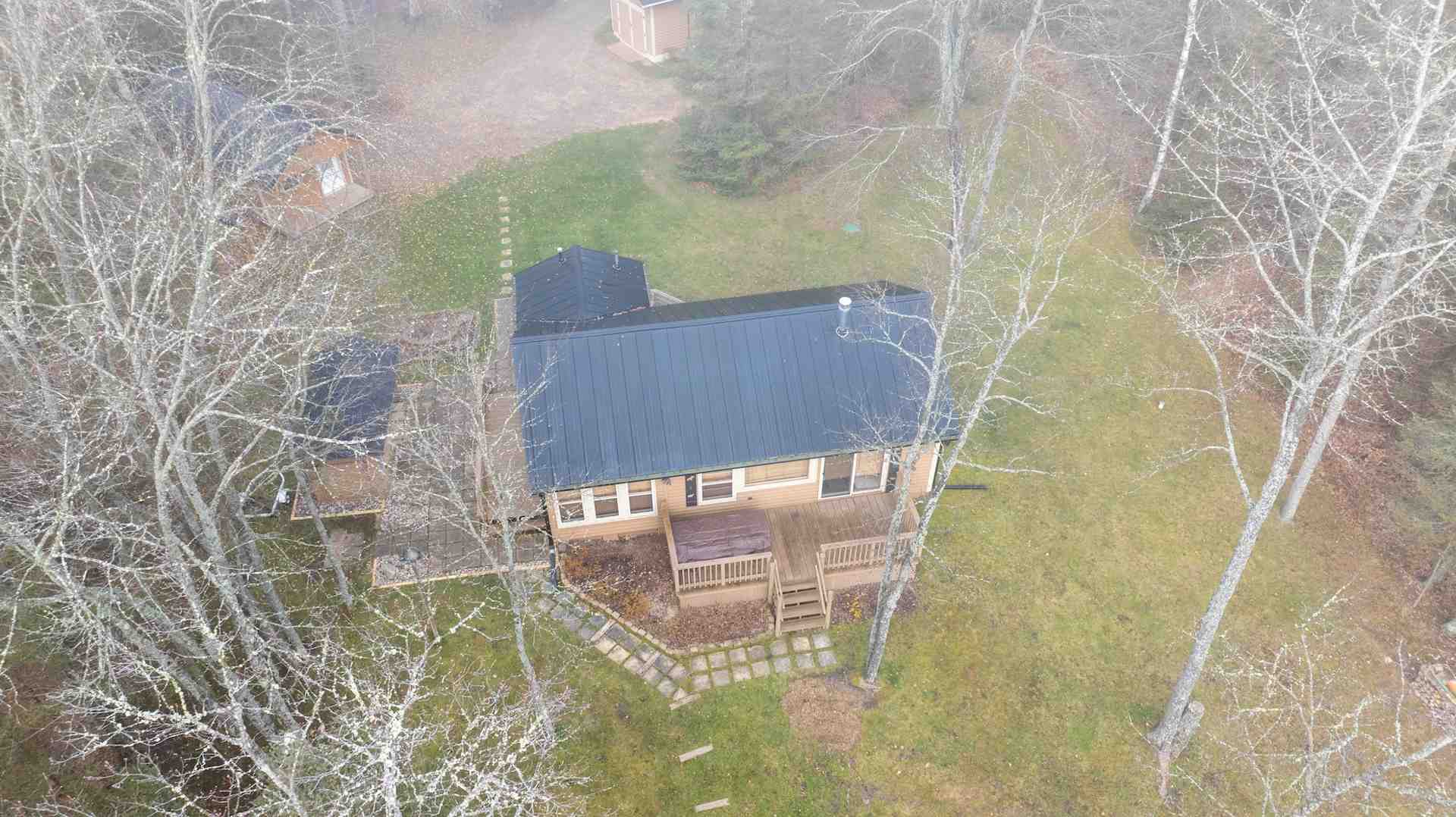
When we look at the overall best solution, a steep-pitched metal roof is hard to beat. It sheds snow naturally and resists the freeze-thaw cycles that can crack cheaper materials. However, synthetic composite roofing is also becoming popular in places like Manitowish Waters and Mercer because it offers the look of slate or wood with much better impact resistance against hail and heavy snow.
For more expert advice, check out Best Roofing Materials for Wisconsin's Climate - Expert Guide and see more info about our roofing services.
Why We Recommend GAF Over Other Brands
We are often asked why we stick so strictly to GAF. The reason is simple: Northwoods performance. GAF shingles are tested to withstand the extreme temperature swings we see in Wisconsin. We find that GAF’s system, including their Cobra ventilation and Deck-Armor underlayment, provides a more reliable "envelope" for the home. As GAF Master Elite contractors, we can offer warranties that other guys simply can't.
Maintenance Tips for Heavy Snow Years
Even the best roof needs a little love during a record-breaking winter.
- Snow Raking: Use a roof rake to clear the first 3 to 4 feet of snow from your eaves after a big storm. This removes the "fuel" for ice dams.
- Gutter Cleaning: Make sure your gutters are clear of leaves before the first freeze. Clogged gutters don't cause ice dams, but they make them much worse by trapping water.
- Professional Steam Removal: If you already have a massive ice dam, do not go up there with a hammer or salt. You will ruin your shingles. Call a professional who uses high-pressure steam to safely melt the ice.
For business owners in towns like Merrill or Antigo, our Commercial Roofing Wisconsin Guide offers specific tips for flat roof maintenance.
Frequently Asked Questions about Wisconsin Winter Roofing
When should I replace my roof due to ice dam damage?
You should consider a replacement if you see interior leaks, water stains on your ceiling, or if your shingles are losing a lot of granules. If you notice structural sagging or if the plywood (decking) feels soft when stepped on, that is a sign of rot that needs immediate attention.
Do gutters cause ice dams to form?
Not directly. Ice dams are caused by attic heat. However, if your gutters are full of frozen debris, the meltwater has nowhere to go, which accelerates the growth of the ice dam and can eventually tear the gutters right off the house.
Is metal roofing too loud during winter storms?
This is a common myth! With modern attic insulation (that R-49 we mentioned), you won't hear the snow or rain any more than you would with shingles. The insulation acts as a sound buffer, keeping your Northwoods home quiet and cozy.
Conclusion
At Eagle River Roofing, we know that your home is your biggest investment. Dealing with 125 inches of snow and the threat of ice dams is just part of life in the Northwoods, but it doesn't have to be a source of stress. Whether you choose the rugged durability of a standing seam metal roof or the proven value of GAF architectural shingles, the key is a system that includes proper insulation, ventilation, and expert installation.
We serve neighbors from Ironwood to Crandon and everywhere in between. Our team is dedicated to providing a low-stress experience with tidy job sites and clear communication. If you are worried about your roof surviving another Wisconsin winter, we are here to help.
Contact us for Wisconsin roofing services today for a professional inspection and a roof built to last.
This article is for general informational purposes only and may not reflect the most current products, pricing, codes, availability, weather-related recommendations, or roofing requirements for your specific property. Every home and roof is different, especially in the Northwoods. Please contact Eagle River Roofing directly for the latest information and guidance for your project.

