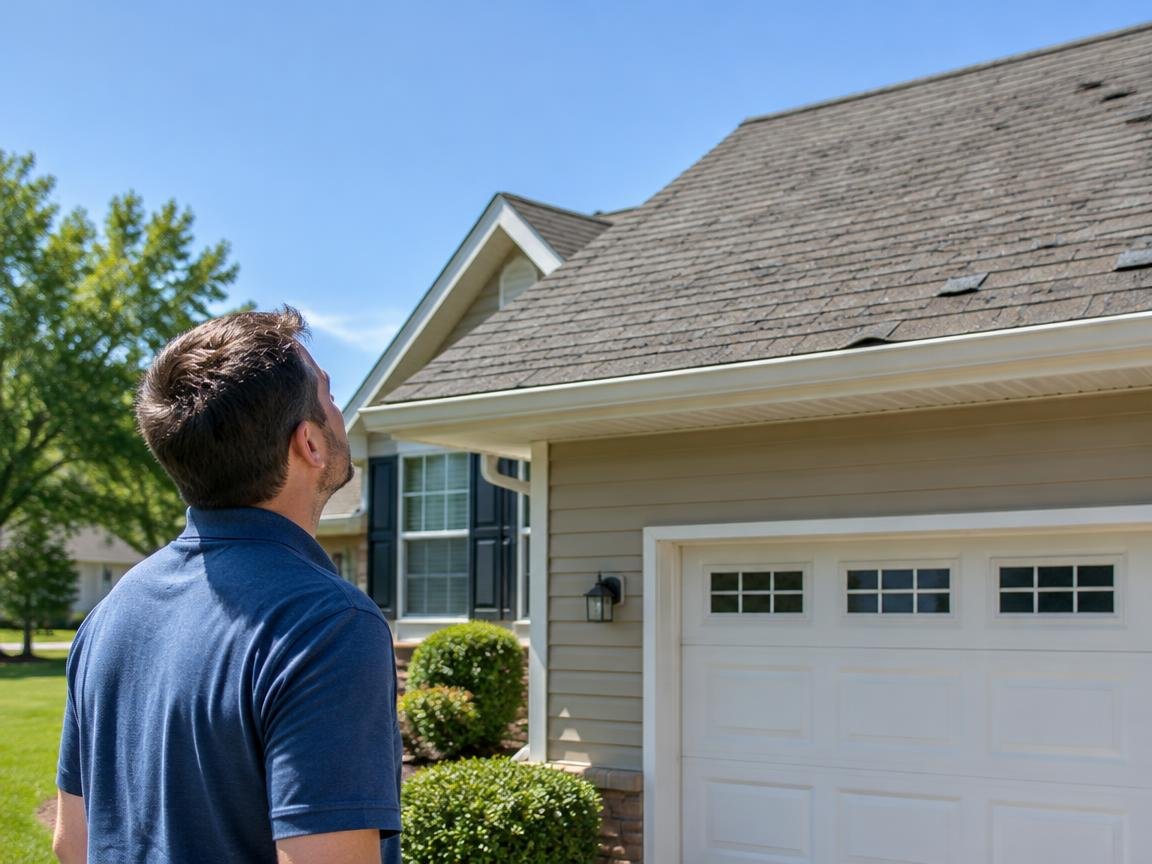
Why Is Knowing the Exact Age of Your Roof So Critical?
If you're buying a cabin or lake home up north, you can usually pin down the roof's age three ways: ask the seller for permits, invoices, and warranty registration paperwork; look at the shingles and attic for signs of wear; and check historical aerial photos of the property. A professional roof inspection before closing ties it all together and tells you whether the roof is likely to raise flags with your home inspector or insurer.
Whether you are settling into a year-round home in Minocqua or closing on a lakefront cabin in St. Germain, knowing the true age of your roof protects your wallet and your peace of mind. A roof does far more than shed rain. It shields your framing from heavy winter snow, blocks wind-driven moisture, and keeps heat inside during freezing northern winters. When you do not know when the roof was installed, you cannot plan your maintenance budget, negotiate a fair home purchase price, or ensure your property remains properly insured.
Insurance carriers look closely at roof age when writing or renewing policies. Some insurers limit coverage on older roofs, for example by paying actual cash value (the depreciated value) instead of replacement cost. Ask your insurance agent how your carrier treats roof age before you close.
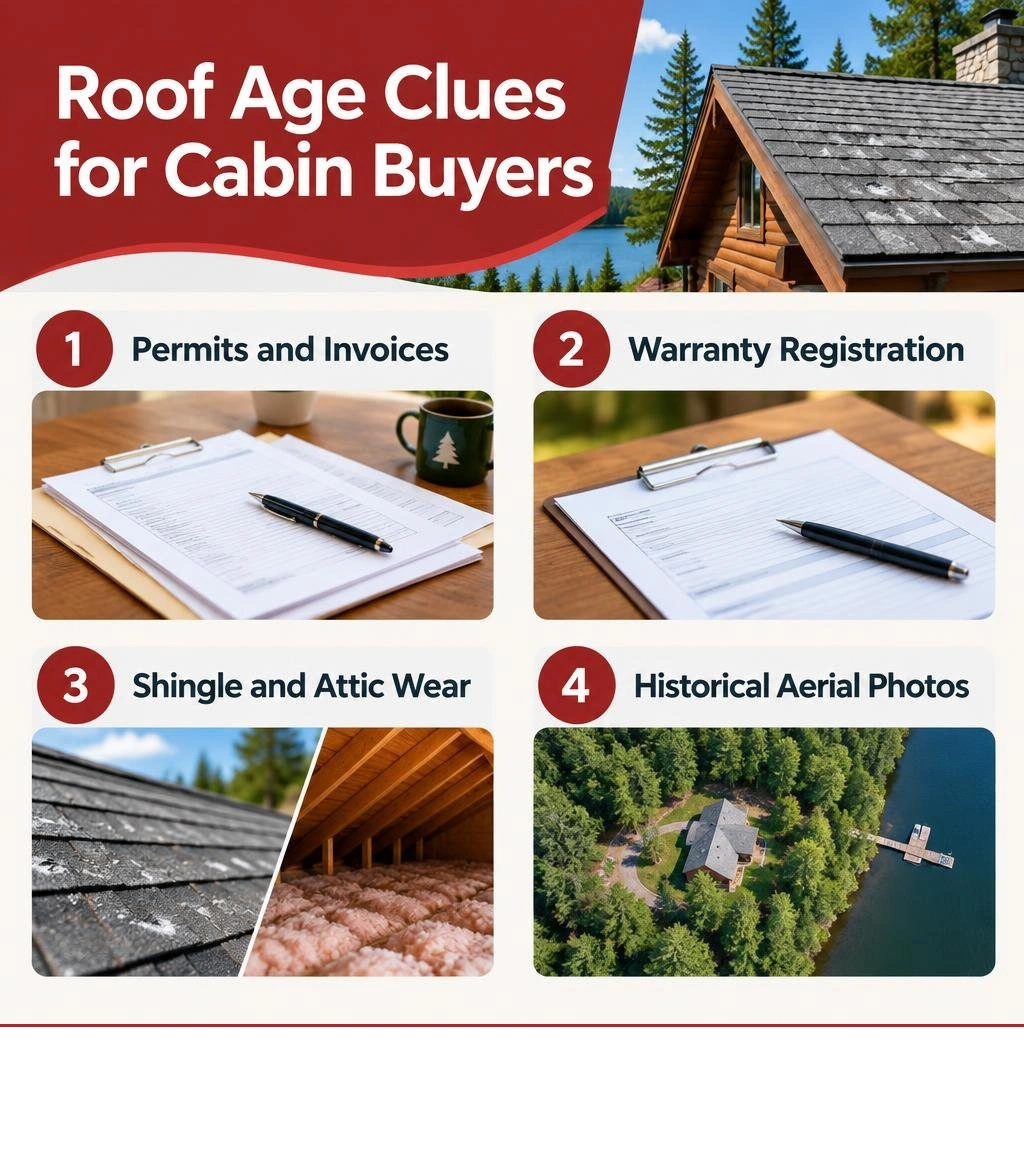
For home buyers and real estate appraisers, an aging roof directly influences property valuation. If a home inspection shows an asphalt roof near the end of its life, buyers often request a price reduction or an escrow holdback to cover upcoming replacement costs. Verifying the roof age early helps prevent surprises during closing and helps you plan ahead.
How Can You Find Official Records and Permits to Date Your Roof?
The most dependable way to find out when a roof was installed is to look for official documentation. Permit records are the most reliable way to date a roof. Unlike visual guesses, a recorded permit provides an exact date of record.
Start by gathering all paperwork from your home purchase. Look through your closing packet for the seller property disclosure statement, past home inspection reports, and any transferable warranty paperwork left behind by the previous owner. If the seller listed a specific year for the last reroof, check whether they kept the contractor invoice, payment receipts, or warranty registration from the manufacturer.
If you have an invoice or estimate from a past project, compare it against the standard details that outline what should be included in a roofing estimate. A complete record should list the contractor license number, the specific shingle brand, the underlayment type, and the completion date. If records are missing, reaching out to the previous owner or asking neighbors in subdivisions built around the same time can give you helpful context. Keep in mind that permit rules vary by municipality, and some rural townships may have transitioned to digital records more recently than larger cities.
Searching Municipal Building Permits and County Records
To find recorded permits on your own, visit your local city or county building department website. Most local building divisions offer an online public records search where you can look up permits by parcel number or physical street address.
- Locate the property search tool on the municipal or county zoning portal.
- Enter the street address to view the property's permit history.
- Look for permit descriptions such as residential reroof, complete tear-off, roof replacement, or structural repair.
- Note the permit issue date and the final inspection sign-off date.
If your property is in an area where digital records only go back ten or twenty years, you can call or visit the local building clerk. Staff members can often check paper archives or microfiche files to pull older building permits.
Reviewing Home Purchase Disclosures and Warranty Paperwork
Closing packets often contain valuable clues that go unnoticed. Look for manufacturer warranty certificates or contractor workmanship guarantees. When quality shingles are installed, reputable roofers often provide warranty transfer documentation to the homeowner, depending on product and registration.
These documents usually include shingle lot numbers, product line names, and installation dates. If you find a contractor name on an old receipt or warranty sheet, you can contact their office to ask if they have an archived work order for your address.
Questions to Ask the Seller Before Closing
Before closing, ask the seller for any details that can help confirm the roof's history.
- When was the roof last replaced, and who installed it?
- Is there a building permit and a contractor invoice?
- Was the manufacturer warranty registered, and can it transfer to you?
- Has the roof had leaks, repairs, or ice dams along the eaves?
What Visual Signs on Your Shingles and Structure Reveal Roof Age?

When official paperwork is unavailable, a careful physical inspection can give you a rough estimate of roof age. Over time, weather exposure, seasonal temperature swings, and sunlight cause predictable physical changes in roofing materials.
You can compare what you observe from the ground against common roofing problems to see if wear is localized or widespread. We recommend using a pair of binoculars and a structured roof inspection checklist to record what you see safely without walking on a steep or slippery roof.
Shingle Wear: Granule Loss, Curling, and Brittleness
Asphalt shingles are coated with ceramic-coated mineral granules designed to shield the underlying asphalt layer from ultraviolet rays. As shingles age, the asphalt dries out and sheds these granules. Check your gutters and downspout splash blocks after a rainstorm. Finding a light dusting of granules is normal on newer roofs, but heavy piles of dark, sandy grit indicate that shingles are losing their UV protection.
Thermal cycles cause shingles to expand and contract. After years of exposure, volatile oils evaporate, causing shingle edges to cup upward or claw downward. If you see horizontal micro-fissures across the shingle face or brittle corners breaking off during seasonal temperature drops, the roof is likely near the end of its design life.
Biological Growth: Algae Streaks vs. Embedded Moss
Dark black streaks running down roof slopes are often caused by airborne algae spores (Gloeocapsa magma). These stains tend to show up as shingles age, particularly on north-facing or heavily shaded roof planes. While algae stains look unsightly, they generally feed on calcium carbonate fillers in the shingle surface and do not cause immediate structural damage.
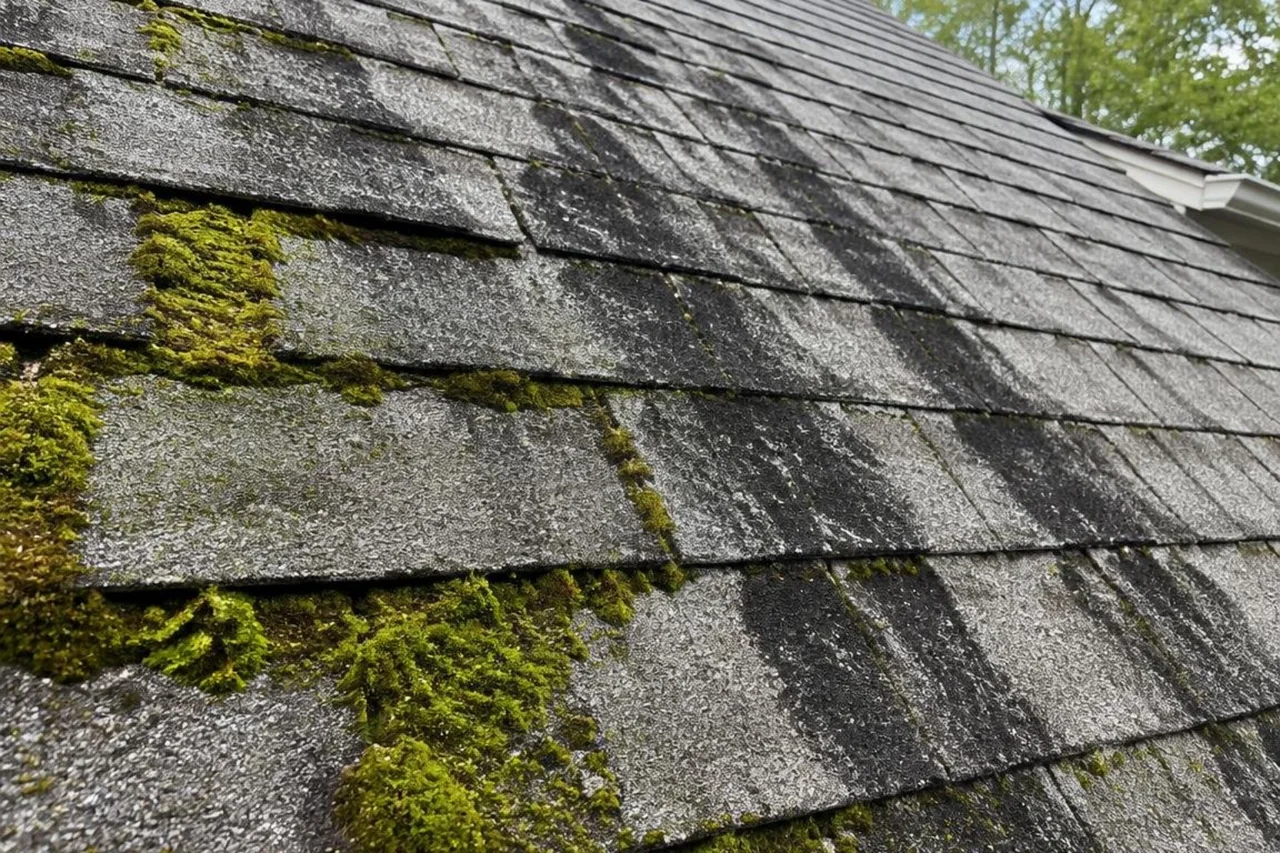
Thick, green moss and lichen tell a different story. If moss has rooted deeply between and under shingle tabs, it suggests the roof has held moisture for a long time. Moss acts like a damp sponge, holding water against the shingle surface and working under the edges during winter freeze-thaw cycles. Never pressure-wash an asphalt roof to remove moss, as high-pressure water strips away the remaining protective granules.
Attic Inspections: Daylight, Decking Sag, and Ventilation Clues
Your attic can reveal just as much about roof age and condition as the exterior. Head into your attic on a bright, sunny afternoon with the lights turned off to check for these critical indicators:
- Daylight penetration: Pinpoint rays of light shining through the roof deck boards or around penetrations often signal shifted sheathing, compromised flashing, or rotted decking.
- Sheathing condition: Dark water stains, white powdery mildew, or rusted nail tips poking through the plywood or oriented strand board (OSB) point to ongoing moisture buildup.
- Attic ventilation: Look at your soffit intake vents and ridge or gable exhaust vents. Insufficient airflow traps summer heat and winter moisture, which can age shingles faster than normal.
How Does Roofing Material Type Affect Expected Lifespan and Aging?
To estimate how much life your roof has left, you need to know how different materials perform in northern climates. When you evaluate how long an asphalt shingle roof lasts in Wisconsin, you must also account for heavy snow loads, ice dam formation, and sub-zero temperatures.
| Roofing Material Type | Cost Profile | Common Aging Signs to Watch For |
|---|---|---|
| Traditional 3-Tab Shingles | Budget-friendly | Edge curling, tab blow-offs, bald spots, heavy granule loss |
| Architectural Shingles (GAF) | Moderate / High Value | Minor surface cracking, localized granule loss, algae streaking |
| Standing Seam Metal | Higher Initial Investment | Paint chalking, surface oxidation, fastener gasket wear |
Asphalt Shingles: 3-Tab vs. Architectural
Traditional 3-tab asphalt shingles feature a flat, single-layer design with cutouts that separate each piece into three tabs. They generally wear out sooner than architectural shingles, and heavy snow loads and wind can shorten their life.
Modern architectural laminated shingles feature multiple bonded layers that create depth and provide greater tear resistance. They're built to last longer than 3-tab shingles. For residential shingle projects, we install GAF architectural shingles. High-grade GAF architectural shingles feature advanced adhesives and tough fiberglass reinforcement designed to hold up against Northwoods freeze-thaw cycles and high wind gusts.
Standing Seam Metal and Specialty Roofing Systems
Standing seam metal roofing is an exceptionally durable option built to last for decades. These systems use raised interlocking seams and concealed fasteners, meaning the screws are protected from the elements rather than exposed to snow and rain. While standing seam metal is a strong choice for snowy climates because it sheds heavy snow easily, it represents a higher upfront investment that may not suit every project budget.
On metal roofs, age shows differently than on asphalt. Over decades, you may notice paint chalking, minor surface oxidation, or drying of rubber gaskets around vent pipe flashings.
Can Aerial Imagery, Satellite Tech, and Professional Inspections Verify Age?
If permits are missing, historical aerial photos can help you see roughly when a roof was replaced.
While commercial platforms serve insurance underwriters, homeowners can use free desktop mapping tools to spot past roof replacements. When you need formal verification for a lender or carrier, arranging a comprehensive roof inspection for insurance provides the written documentation underwriters require. Reviewing a detailed roof inspection cost guide will help you understand what inspectors examine during a thorough evaluation.
Leveraging Historical Satellite Imagery and Google Earth
You can use the desktop version of Google Earth Pro to inspect your property's historical satellite timeline at no cost:
- Download and open Google Earth Pro on your computer.
- Enter your property address in the search panel.
- Click the Historical Imagery button (the clock icon on the top toolbar).
- Slide the time bar backward through available satellite passes over past years.
- Watch for noticeable visual changes, such as a shift from weathered, faded shingles to a clean, dark roof plane.
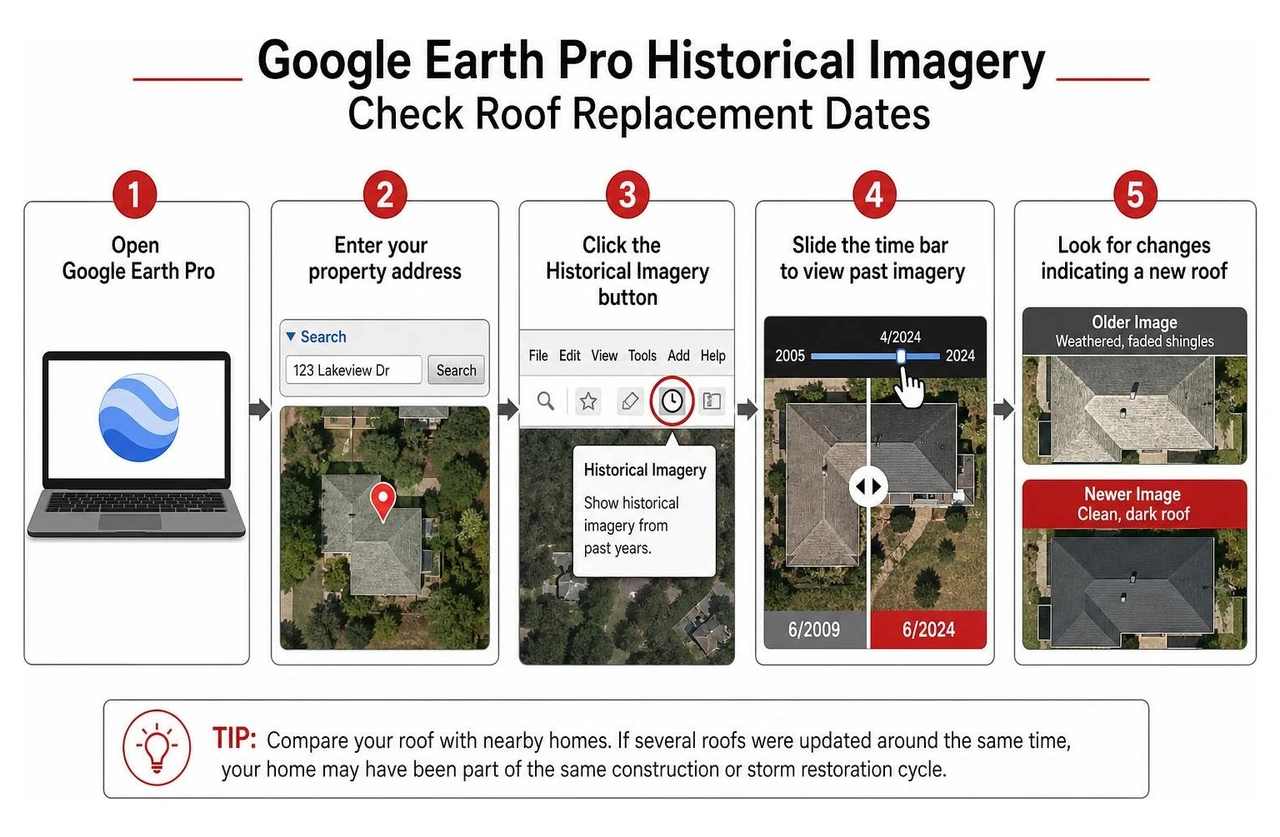
In suburban neighborhoods and cabin subdivisions, you can also look at neighboring roofs. If multiple homes on your road show fresh roofs installed around the same date, your property may have been part of the same construction or storm restoration cycle. Note that heavy tree canopies can sometimes obscure satellite views of secluded lake homes.
Scheduling a Professional Roof Inspection
When satellite views and visual checks leave unanswered questions, an in-person professional inspection delivers clear answers. During an on-site assessment, a roofing professional examines:
- Sealant strip bonding and shingle tab adhesion across all slopes.
- Metal flashing around chimneys, sidewalls, valleys, and plumbing vents.
- Attic decking moisture levels and intake/exhaust ventilation balance.
- Gutter drainage slopes, fascia board condition, and drip edge alignment.
Following the assessment, you get photo-backed findings and a clear written recommendation. Eagle River Roofing is locally owned and was founded in late 2023, built on 50+ years of combined local experience. With our ownership team's over 9,000 roofs and 8 million feet of gutters installed, GAF Master Elite status, tidy job sites, and clear written quotes, we deliver careful evaluations you can rely on.
When Does Roof Age Mean It Is Time to Repair vs. Replace?
Understanding where your roof falls on the age spectrum helps you decide whether a targeted repair makes sense or if planning for a full replacement is the smarter choice.
Recognizing early roof replacement signs helps you avoid water damage to your attic and living areas. When you weigh repair costs against long-term reliability, our guide on choosing between roof repair and replacement offers a clear decision framework.
If you are planning your budget, take a look at average roof replacement costs in Wisconsin for Northwoods homes. If you are dealing with an active leak, you can read our advice on managing a leaking roof in Northern Wisconsin to help you choose the right path forward.
When an Older Roof Is Near the End
As an asphalt roof nears the end of its life, material breakdown tends to speed up. The underlayment beneath the shingles dries out and becomes brittle, losing its ability to stop wind-driven rain or water from ice dams.
In communities like Eagle River, Rhinelander, and Three Lakes, winter snow accumulation and freeze-thaw cycles put older roofs to the test. Replacing an asphalt roof before it fails protects your drywall, insulation, and framing from costly repairs.
Repair Thresholds vs. Full System Failure
If your roof is relatively young and the shingles remain flexible, isolated problems can often be repaired affordably. Replacing a few wind-damaged shingles, resealing pipe boots, or repairing step flashing around a chimney can help extend the life of an otherwise sound roof.
On the other hand, if your roof is older and shows widespread granule loss, curling, or multiple leak points, patching individual areas rarely solves the underlying issue. In those situations, we recommend a complete tear-off down to the roof deck. Removing the old materials allows our crews to inspect every sheet of plywood or OSB, replace damaged wood, and install fresh ice and water barriers designed for northern winters.
Frequently Asked Questions About Determining Roof Age
Can I find out my roof's age purely from the home's build date?
Your home's original construction date only tells you the roof age if the home has never had a new roof installed. If the home is more than a couple of decades old, it has likely had at least one reroof. We recommend cross-checking the property build date with municipal permit records to see if a reroof permit was issued in later years.
Will homeowners insurance pay for a roof replacement just because it is old?
Standard homeowners insurance policies are designed to cover sudden, accidental damage caused by events like hail, fallen trees, or severe windstorms. They do not cover normal wear and tear or aging materials. As a roof gets older, some insurers may require a replacement to renew a policy or switch coverage to actual cash value.
How accurate are visual shingle assessments compared to building permits?
A building permit gives you the exact date on record. A visual inspection gives an estimated range, and sun exposure, attic ventilation, tree shade, and weather can make a younger roof with poor ventilation look older than it is.
What Are the Next Steps Once You Determine Your Roof's Age?
Once you have gathered your permits, reviewed historical satellite images, and checked your shingles, you will have a clear idea of your roof's age and condition.
We recommend creating a digital folder for your home records. Save dated photographs of your roof, copies of building permits, past inspection summaries, and contractor invoices. Having these documents organized makes future insurance claims, maintenance planning, and real estate disclosures much simpler.
If your records show an aging roof, or if you notice curling shingles, granule loss, or attic moisture, our team at Eagle River Roofing can help. We provide thorough roof evaluations, clear written estimates, and dependable GAF shingle and metal installations built for Northwoods winters. We serve homeowners across Eagle River, Rhinelander, Minocqua, Woodruff, St. Germain, Three Lakes, and surrounding communities.
Buying a cabin and want a second opinion on the roof before you close? Get a free, no-pressure roof evaluation: call (715) 892-8328 Monday to Friday, 8 to 5, or start with our instant roofing estimate tool.
This article is for general informational purposes only and may not reflect the most current products, pricing, codes, availability, weather-related recommendations, or roofing requirements for your specific property. Every home and roof is different, especially in the Northwoods. Please contact Eagle River Roofing directly for the latest information and guidance for your project.

