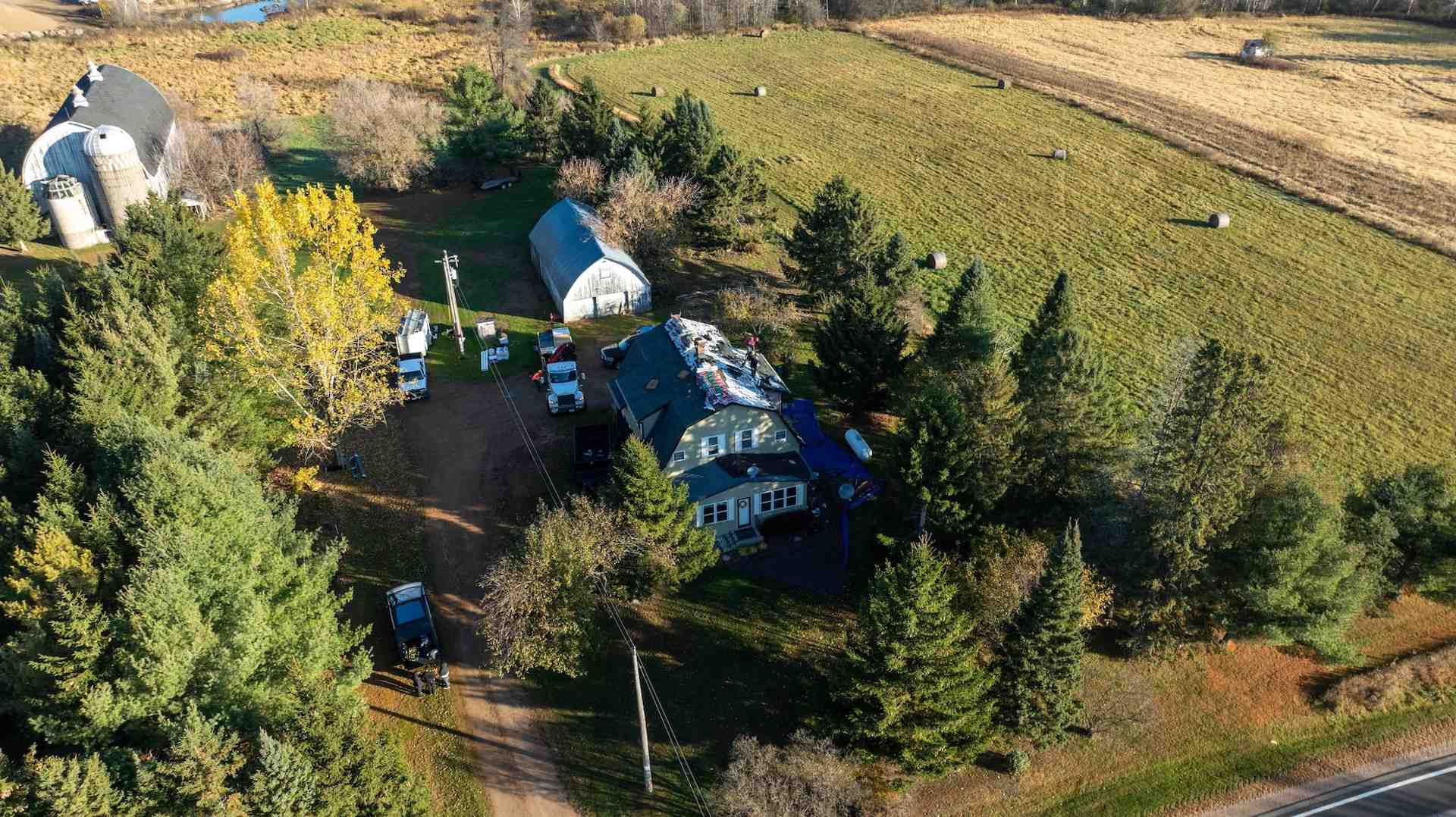
Why Recognizing Roof Problems Early Matters in the Northwoods
Common roofing problems can turn a solid investment into a costly headache if you don't catch them early. Here is what to watch for:
Most Common Roof Problems:
- Ice dams and freeze-thaw damage: Water refreezes at the roof edge, lifting shingles and creating leaks.
- Damaged or missing shingles: Wind, debris, or animals knock shingles loose, exposing the roof deck.
- Flashing failures: Rusted or poorly installed metal around chimneys and vents lets water in.
- Clogged or sagging gutters: Leaves block drainage, causing water backup and wood rot.
- Poor attic ventilation: Trapped heat and moisture lead to mold and shingle wear.
- Standing water on flat roofs: Pooling water seeps through cracks and adds heavy weight.
- Bald patches: Missing granules mean your shingles can't protect against the sun.
- Pest damage: Animals pry up shingles to get inside, creating holes and risks.
About 25% of your home's heat escapes through the roof. Poor care can lead to issues much worse than high energy bills. I'm Tyler Blair, co-owner of Eagle River Roofing. With over 9,000 roofs installed across the Northwoods, we have seen every type of common roofing problem you can imagine. Most start small but grow fast. Knowing what to look for can save you a lot of money.

10 Common Roofing Problems Homeowners Face
Living in places like Rhinelander, Minocqua, or Eagle River means your home has to be tough. Our roofs face everything from heavy summer storms to sub-zero winter nights. These weather factors lead to several common roofing problems that we see every day.
1. Roof Leaks
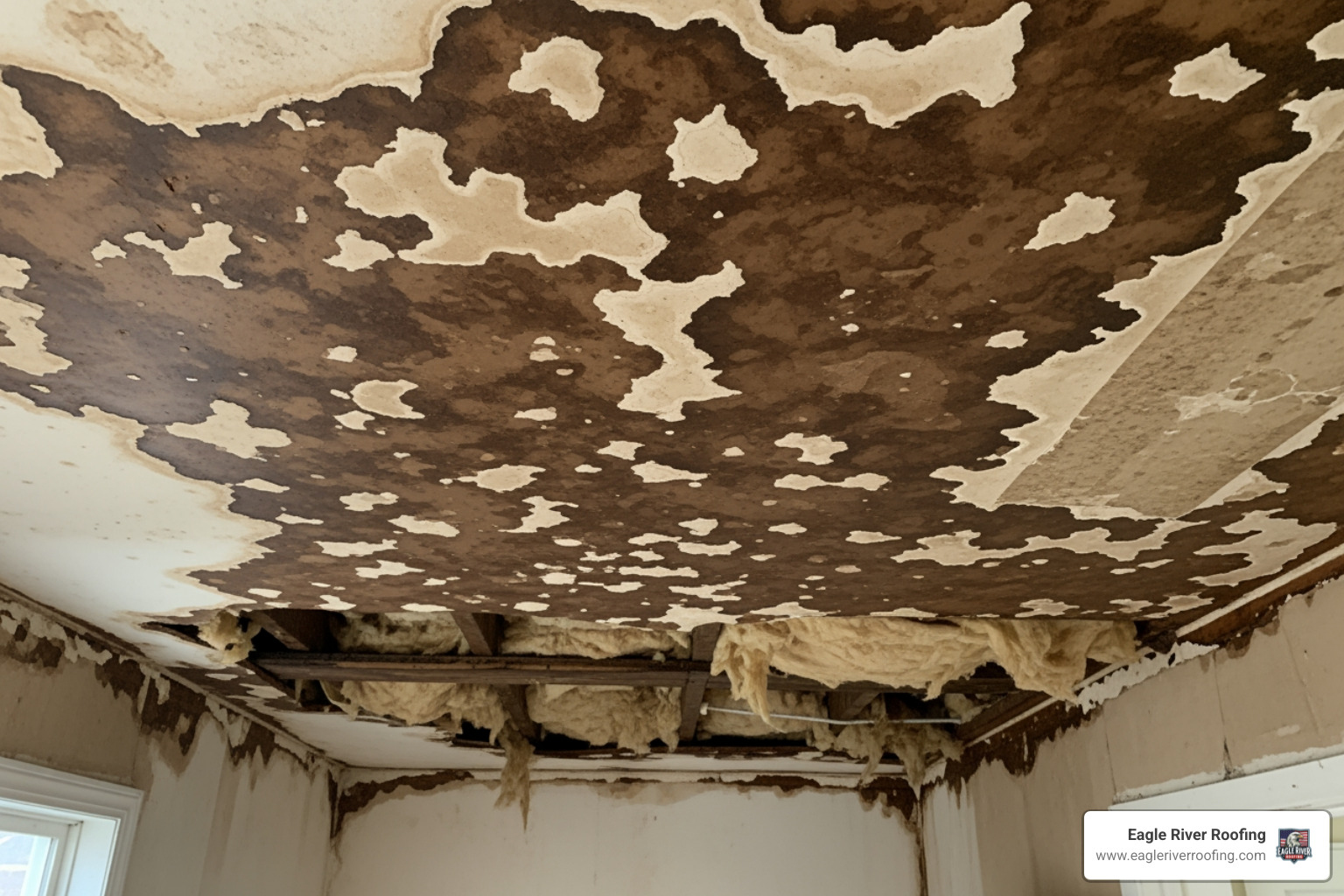
A leak isn't always a steady drip. Sometimes it's a damp spot on the ceiling or mold in the attic. Leaks often start at vents, pipes, or chimneys. If you see water stains, it's time for roof repairs before the wood starts to rot.
2. Flashing Failure
Flashing is the thin metal used to seal joints. It is found around chimneys and skylights. Over time, it can rust or pull away. Poorly installed flashing is a big problem because it is your main defense against water. If you want a simple overview of what flashing does, this is a helpful reference: Flashing (weatherproofing)).
3. Fastener Issues on Metal Roofs
Metal roofing is popular in the Northwoods because it sheds snow well. However, if the wrong screws are used, the metal can't move as it heats and cools. We use high-quality screws with rubber washers to help keep water out. If screws back out or the washers dry out, water can follow the screw right into your roof.
4. Standing Water
This is a major concern for commercial roofing or flat roofs. If water stays on a roof for more than 48 hours, it is called ponding. This adds weight and gives water time to find a way inside.
5. Chimney Damage
Your chimney is a hole in your roof. If the metal flashing is failing, water will get in. We specialize in chimney flashing to help keep this area dry. If the chimney is blocked, it can also lead to safety risks.
6. Pest Damage
In our area, squirrels and raccoons love a warm attic. They can pry up shingles or chew through wood to get inside. Once they are in, they can destroy insulation and create fire hazards.
7. Material Shrinkage
As roofs age, some materials can shrink. This pulls the roof away from the edges and creates gaps for leaks.
8. Bald Patches
Asphalt shingles have tiny granules to protect them from the sun. When you see bald patches or find granules in your gutters, your shingles are wearing out.
9. Poor Installation
This is a frustrating problem. We often see shingles that were not spaced right. This means the nail line is not covered. This can ruin your warranty and lead to leaks.
10. Lack of Maintenance
Roofs are often out of sight until they fail. Not cleaning gutters or trimming branches leads to faster wear. A little care goes a long way.
Ice Dams: The Most Common Problem in the Northwoods
If you live in the Northwoods, you know about ice dams. They are very destructive. Heat from your attic melts snow, which then refreezes at the cold roof edge. This creates a wall of ice that traps water. The water then backs up under the shingles. Heavy snow makes this worse and can even tear off gutters. We often install snow guards on metal roofs to help prevent snow from sliding off all at once. Proper insulation and ventilation are the best ways to stop ice dams.
Identifying Problems with Shingles and Gutters
For residential roof replacement, we only use GAF architectural shingles. While some might suggest brands like CertainTeed, we recommend GAF because they are built for our wind and snow. If you are searching for a new roof, you want a shingle that won't blow off in a storm.
Signs of Shingle Trouble:
- Curling or Buckling: This means shingles are old or the attic isn't venting.
- Granule Loss: If shingles look shiny or bald, they have lost their protection.
- Missing Shingles: High winds can blow them off if they weren't nailed right.
Your gutters are just as important. Clogged gutters cause wood rot. We install seamless gutters and gutter guards to keep water moving away from your home. If your gutters are sagging, they might be full of debris or were not fastened right.
How to Spot Signs of Trouble Inside and Outside
You don't always need to climb a ladder to find common roofing problems. We recommend staying on the ground and using binoculars to check your roof!
Outdoor Warning Signs
Take a walk around your yard and look up. Do you see any shingles that look wrong? Look for:
- Shingles that are cracked, curled, or missing.
- Dark streaks or green moss.
- A sagging roofline.
- Debris piles on the roof.
Indoor Warning Signs
Sometimes the best place to find a roof problem is in your pajamas. Grab a flashlight and head to the attic. We recommend looking for our roof inspection checklist:
- Water Stains: Look for dark spots or white salt deposits on the wood.
- Daylight: If you see sun peeking through, water can get in.
- Mold or Mildew: This is a sign of poor ventilation or a leak.
- High Energy Bills: If your heating costs are rising, your roof might be letting warm air out.
Fixing Common Roofing Problems and Preventing Future Damage
When we find a problem, the goal is to fix it right the first time. For urgent issues, we might use emergency tarping to protect your home. But for long-term health, we focus on the whole roof system.
Leak Diagnostics and Repair
We don't just slap some caulk on a leak. We find the source. This might involve replacing a vent boot or re-doing the flashing around a chimney. If the damage is bad, we will discuss if a repair is worth it or if you need a full replacement.
The Power of Ventilation
A roof that can't breathe will fail early. We install ridge vents and soffit vents to keep air moving. This keeps your attic cool in the summer and dry in the winter. It is the best defense against ice dams and mold.
Professional Maintenance
Regular care is the key to a long-lasting roof. This includes:
- Cleaning gutters twice a year.
- Trimming branches back from the roofline.
- Scheduling a professional inspection every few years, especially after a big storm.
Frequently Asked Questions about Common Roofing Problems
When should I call a professional for a roof inspection?
You should have your roof checked at least once a year, usually in the spring. You should also call us after any major storm. If you are buying or selling a home, an inspection is a must to avoid hidden costs. Safety first! Roof work is dangerous, so it is best to leave it to the pros.
How does poor ventilation affect my roof?
Think of your attic like a lung. If it can't breathe out hot air, moisture settles on your wood. This leads to rot and mold. In the summer, a hot attic will bake your shingles from the inside out. This makes them brittle and causes them to wear out much faster.
Can a blocked chimney cause safety issues?
Absolutely. A blocked chimney can cause carbon monoxide to back up into your home. This is very dangerous. Also, if the flashing around the chimney is leaking, it can rot the wood that supports your roof. This leads to very expensive repairs.
Conclusion
Your roof is the most important shield your home has. From the heavy snows to the humid summers, common roofing problems are part of life here. But they don't have to be a disaster.
By knowing the signs of trouble, like ice dams and clogged gutters, you can catch issues while they are still small. At Eagle River Roofing, we pride ourselves on durable work and clear communication. We treat every home like it is our own.
If you think your roof has a problem, don't wait for the next storm. Visit our home page to schedule an inspection. We are here to help you keep your home safe and dry.
This article is for general informational purposes only and may not reflect the most current products, pricing, codes, availability, weather-related recommendations, or roofing requirements for your specific property. Every home and roof is different, especially in the Northwoods. Please contact Eagle River Roofing directly for the latest information and guidance for your project.

