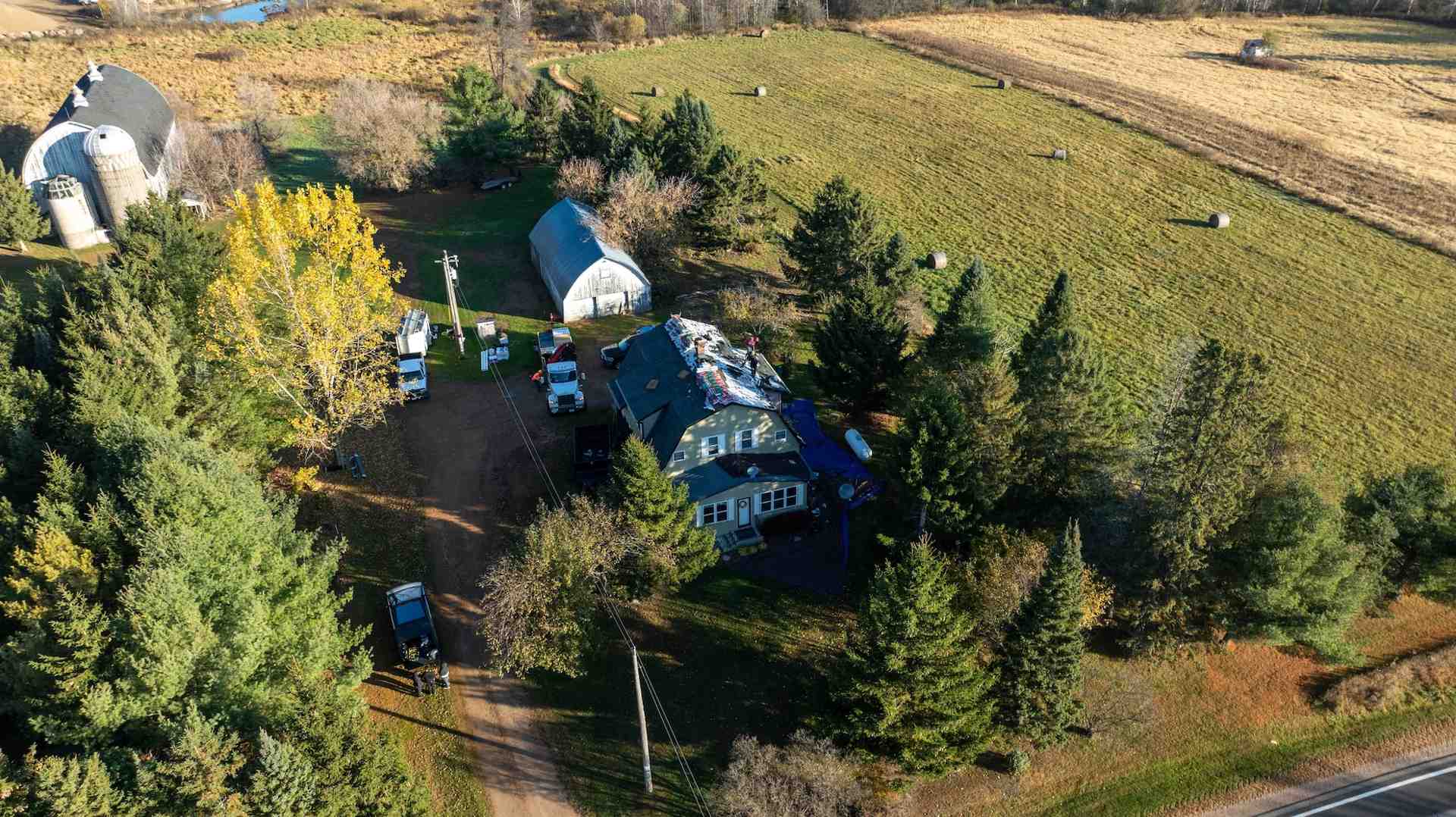
Found a Roof Leak? Start Here
When you find a roof leak, start inside: check the attic and ceiling around the wet spot for damp insulation, staining, or dripping. From the ground, look for missing shingles, lifted flashing, ice dams, or clogged gutters. Call a roofer if water is actively coming in or the cause is not obvious.
- Check indoors first for ceiling stains, active drips, damp insulation, or a musty smell near the suspected leak.
- Inspect safely from the ground for missing shingles, lifted flashing, ice dams, or gutters blocked by debris.
- Take simple steps you can do safely, such as moving belongings away from a drip and using a container to catch water.
- Call a roofer when water is actively entering, damage is visible, or the leak source is unclear.
- Winter leaks may need a temporary approach when roof conditions allow, while permanent work waits for safe conditions.
Eagle River sits deep in the Northwoods, where heavy snow, ice dams, lake winds, and freeze-thaw cycles put roofs through a lot every single year. A small leak that seems minor in October can quietly grow into a much bigger problem by March, when snowmelt starts working its way into the attic.
The good news is that most roof problems, when caught early, are straightforward to fix. The challenge is knowing what to look for, who to call, and what a fair process actually looks like.
At Eagle River Roofing, we help Northwoods homeowners sort out leaks with a calm, practical plan. This guide covers what to check safely inside and outside, what you can do before help arrives, and when a professional inspection makes sense.
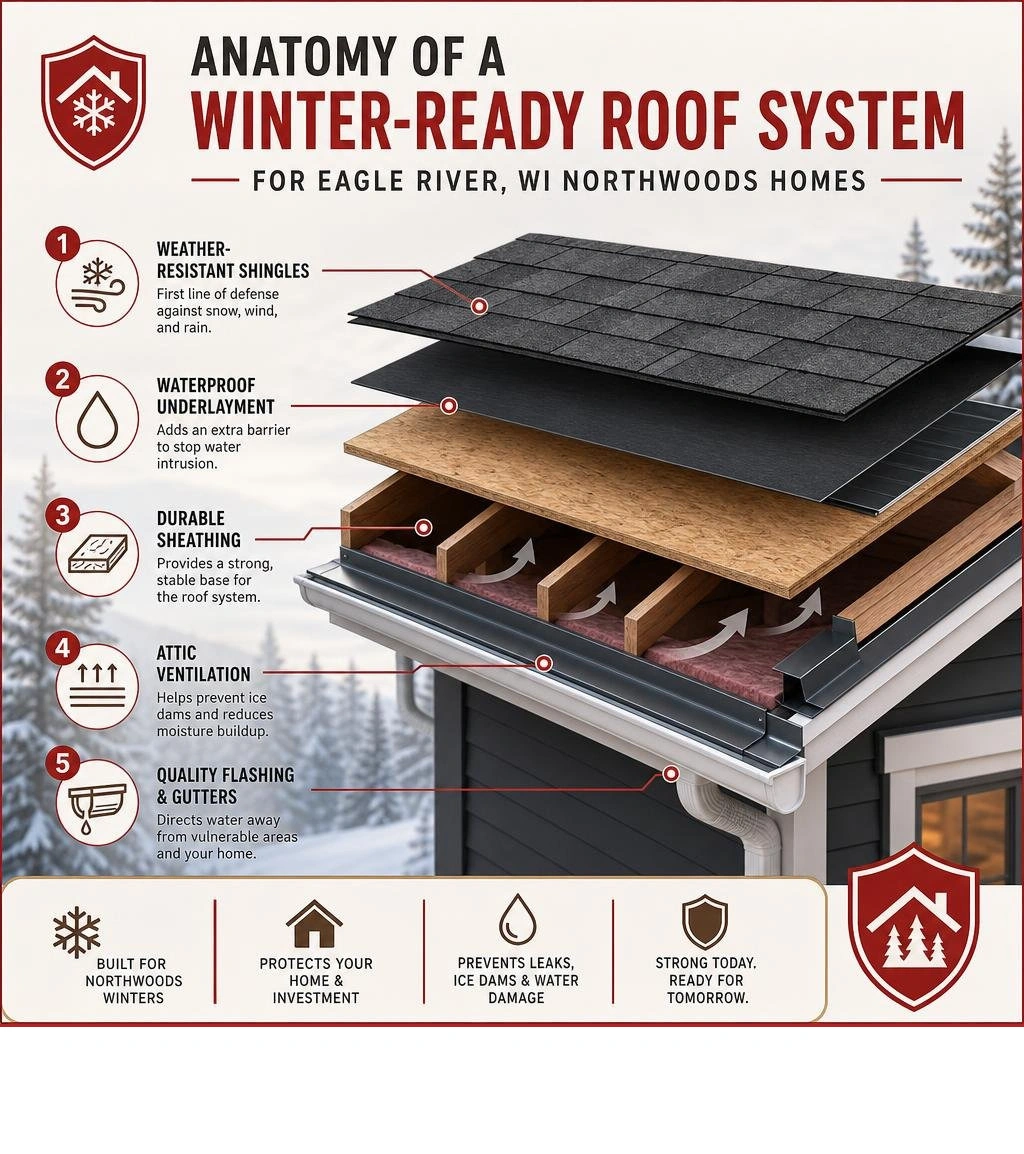
Common Causes of Northwoods Roof Damage
The weather in Northern Wisconsin is beautiful, but it can be incredibly tough on a roof. Homes in Eagle River, St. Germain, and Three Lakes must withstand a unique combination of climate factors that accelerate normal wear and tear. Understanding these threats can help you catch Common Roofing Problems before they turn into costly emergencies.
Heavy Snow Loads
During a typical Northwoods winter, roofs carry hundreds of pounds of heavy, wet snow for months at a time. This constant weight puts structural pressure on your rafters and decking. If your roof has minor weak points, the sheer weight of the snow can cause structural shifting, which can open up small gaps around your flashing and valleys.
Ice Dams
Ice dams are one of the most common seasonal issues we see in the Eagle River area. They form when warm air escapes from your attic into the upper parts of your roof, melting the bottom layer of snow. As the melted water runs down to the cold eaves, it freezes again, forming a thick barrier of ice.
This ice ridge traps subsequent runoff, forcing water to back up under your shingles. Once water gets beneath the shingles, it quickly finds its way through the underlayment and into your ceiling.
Freeze-Thaw Cycles
In late winter and early spring, temperatures often swing wildly. Daytime temperatures might rise above freezing, melting snow and ice, only to drop well below freezing at night.
When water seeps into small cracks in your shingles or flashing and then freezes overnight, it expands. This expansion gradually widens the cracks, loosens nails, and degrades the protective sealants around your vents.
Lake Winds
Many homes in our area sit right on the water, where they are exposed to strong winds sweeping across the lakes. These high-velocity gusts can get underneath loose shingle tabs, breaking the adhesive bond and lifting them up. Over time, wind uplift can leave your roof deck completely exposed to rain and melting snow.
Pine Needles and Debris
The very trees that make Northwoods cabins so scenic can also cause serious roof damage. White pines, hemlocks, and oaks drop needles, leaves, and small branches that collect in roof valleys and behind chimneys.
This organic debris holds moisture directly against your shingles, preventing them from drying out. Over time, this constant dampness rots the shingles and creates a breeding ground for moss and algae.
How to Spot Signs of Roof Trouble Early
You do not have to climb onto your roof to check its condition. In fact, we recommend keeping your feet safely on the ground and using a pair of binoculars to scan your roofline. Catching small issues early can save you a lot in water damage repairs.
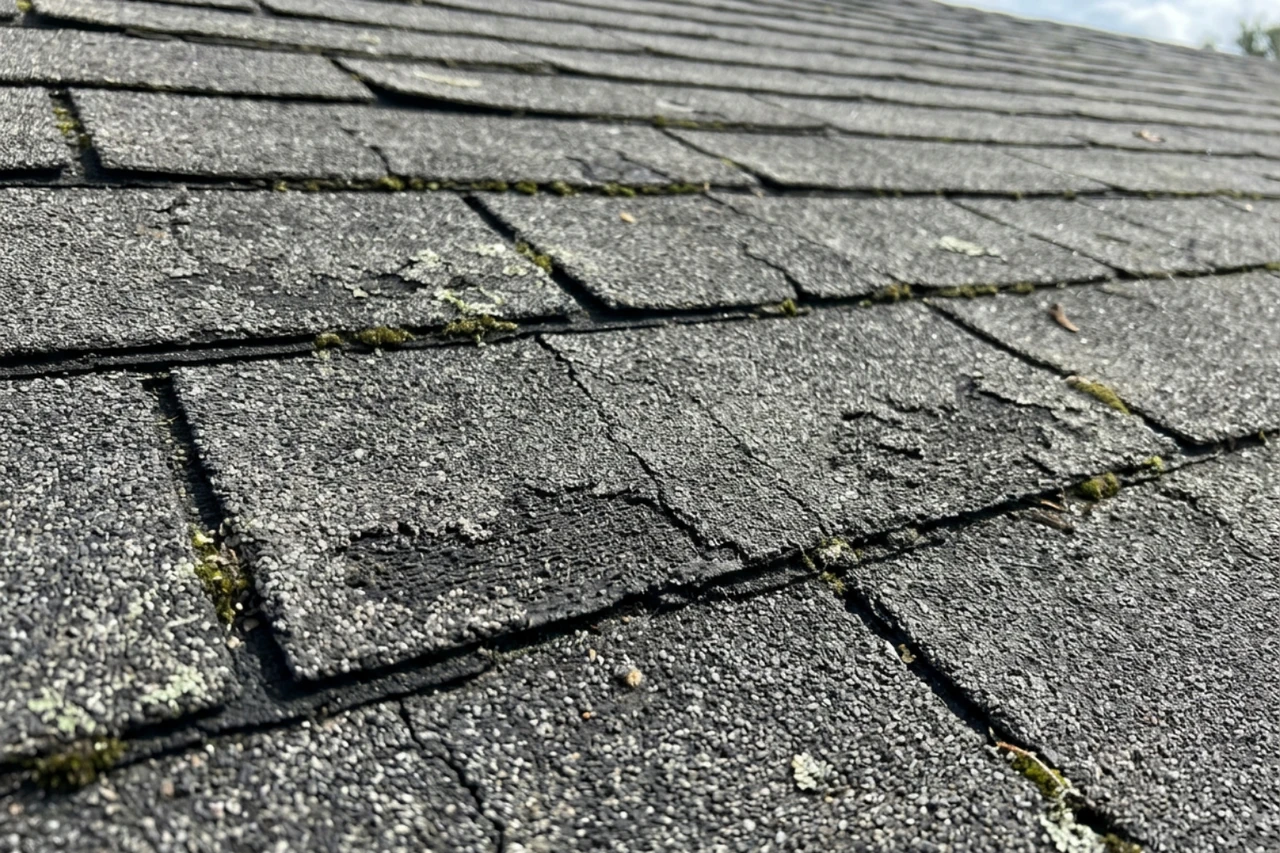
Here are the key warning signs that your roof needs professional attention:
- Granule Loss: Look closely at your downspout openings. If you see piles of dark, sand-like granules accumulating after a rainstorm, your shingles are losing their protective coating. This exposes the underlying asphalt to damaging UV rays.
- Water Stains: Check your ceilings and upper walls for faint, tea-colored stains. These are clear indicators of an active leak, even if you have not noticed dripping water yet.
- Attic Moisture: Take a flashlight into your attic on a rainy day. Look for damp insulation, dark water spots on the underside of the roof decking, or a musty odor that suggests poor ventilation and trapped moisture.
- Curling or Buckling Shingles: Shingles that curl up at the edges or bow outward in the middle have reached the end of their useful life and can no longer shed water reliably.
If you notice any of these warning signs, it is wise to consult a professional to review your options before the damage spreads. For a deeper look at what to look for, check out our guide on Roof Replacement Signs.
When to Call a Roofer
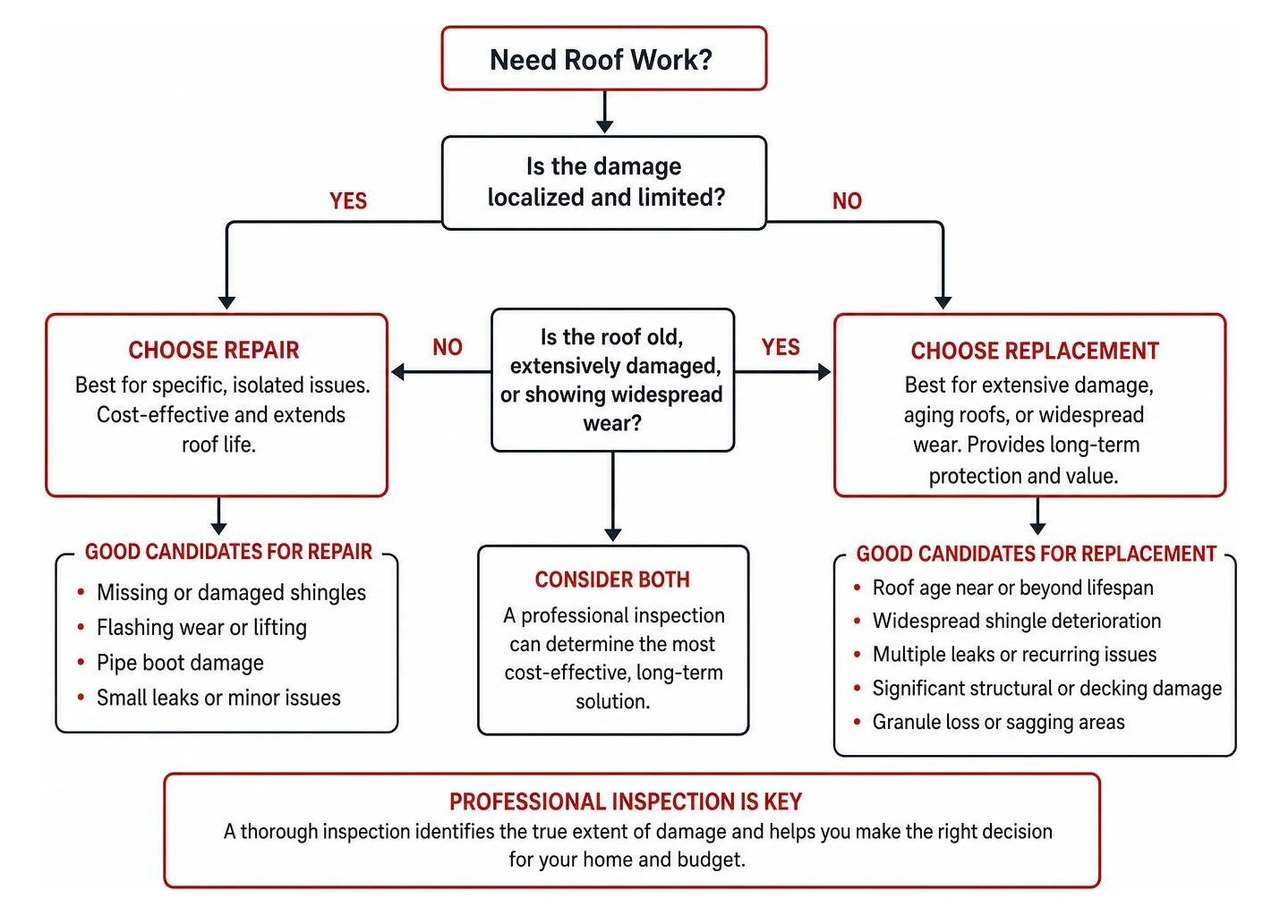
When you spot a problem, the first question is whether the leak has a clear, limited cause or needs a professional inspection.
A localized issue, such as a damaged pipe boot or lifted piece of flashing, can often be addressed without replacing the full roof. If the leak is spreading, recurring, or hard to trace, a roofer can identify the source and explain the next steps.
Localized Leaks
If water is entering your home in one specific spot, we can often locate the source and patch it. This might involve replacing a few damaged shingles, resealing a valley, or replacing a piece of damaged underlayment.
Flashing Wear
Flashing is the thin metal installed around roof transitions, such as where your roof meets a wall or chimney. If this metal is bent, rusted, or lifting, we can replace the individual pieces of flashing without disturbing the rest of your roof.
Pipe Boot Damage
The rubber collars around your plumbing vent pipes, known as pipe boots, are often the first things to fail on a roof. The intense Northwoods sun and freezing winters cause this rubber to crack and dry-rot. Replacing a damaged pipe boot is a quick, inexpensive repair that can help prevent major interior water damage.
Why We Choose GAF Shingles
When we perform repairs or replacements, the quality of the materials matters immensely. We install GAF shingles because they are engineered to withstand the extreme temperature swings and heavy snow loads of our climate. GAF shingles feature advanced adhesive technology that seals tightly against wind uplift, making them highly reliable for Northwoods homes.
What Affects the Cost of Fixing a Leak
A clear written estimate helps you understand the work before repairs begin. The scope can vary widely based on what caused the leak and what the inspection finds.
The scope of a leak repair depends on the roof pitch, access, materials needed, and the extent of any hidden damage beneath the shingles or flashing.
A small, accessible repair may involve a pipe boot, a few shingles, or a section of flashing. More involved work can include repairing a valley, replacing damaged decking, or addressing a larger area of the roof.
If you suspect your roof has sustained damage, a Free Roof Estimate can help identify where water is entering and document what needs attention. Eagle River Roofing can provide photos and a clear, no-pressure quote for the necessary work.
Storm Damage and Winter Leaks
Summer windstorms and winter ice storms can strike without warning in the Northwoods. When a tree limb falls on your roof or high winds tear away a section of shingles, you need to act quickly to protect your home's interior from water damage.
Winter Leaks
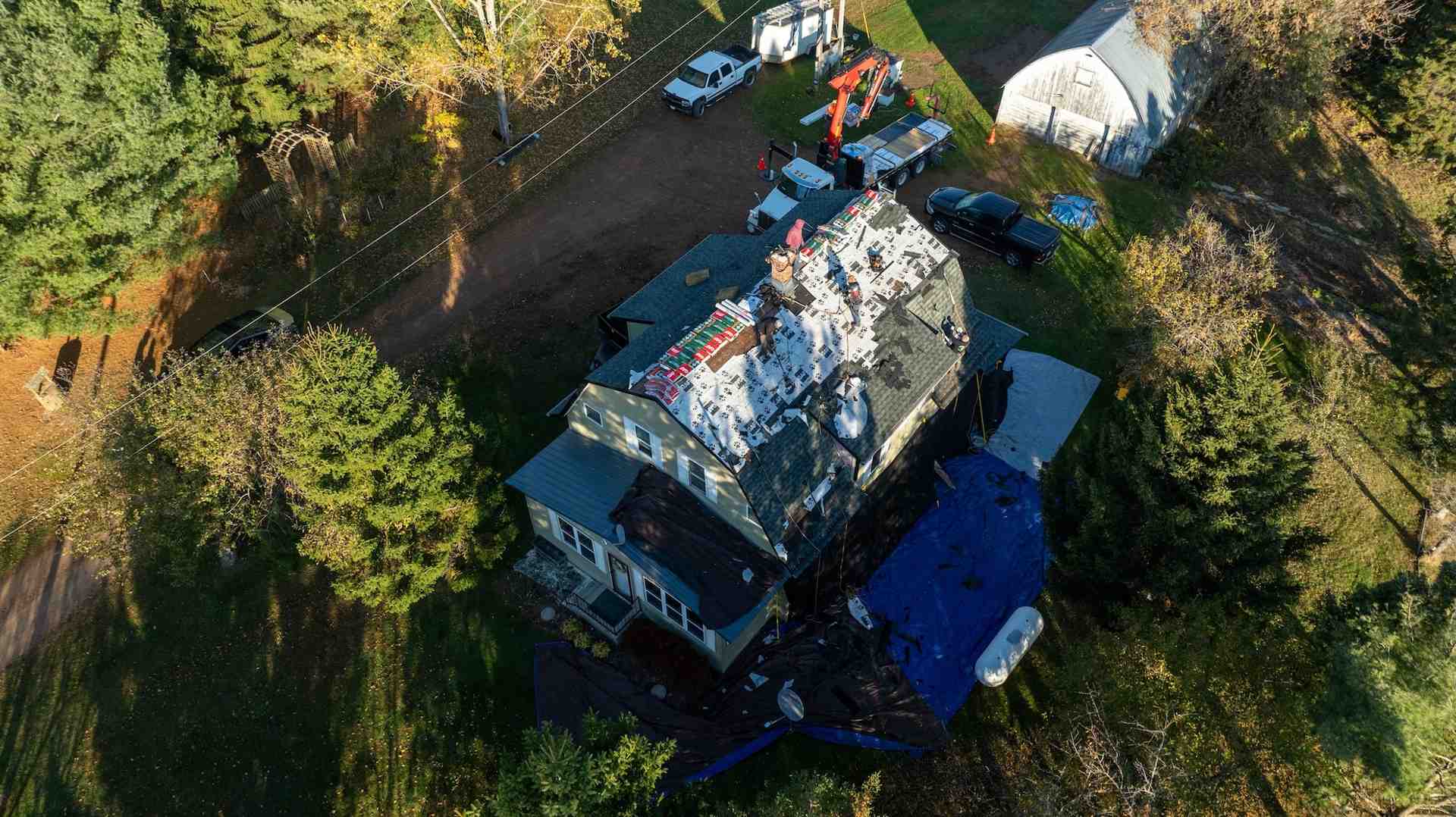
If your roof starts leaking in winter, call us and we'll talk through what can be done. When the roof is clear enough to work on safely, a temporary repair can often slow the leak until a permanent fix in warmer weather. If the roof is covered in ice, tarping won't help, so we'll focus on what can protect the inside of your home until conditions improve.
Wind Uplift and Hail Damage
High winds can create a vacuum effect over your roof, lifting shingles and breaking their seal without necessarily blowing them off. This hidden damage allows wind-driven rain to slip underneath.
Hail can also bruise shingles, displacing the protective granules and exposing the asphalt below to rapid deterioration. If your home has been through a major storm, we can document any wind or hail damage with photos.
If you are located further south or west in our service area, you can also refer to our Roof Repair Tomahawk WI Guide 2026 for localized advice on handling storm damage.
Preventive Maintenance and Gutter Care
A practical way to reduce the need for urgent roof repairs is to invest in regular maintenance. Taking care of your gutters and roofline is especially important in heavily wooded areas like Eagle River, Rhinelander, and Minocqua.
Seamless Gutters
Your gutters play a crucial role in protecting your roof and foundation. Standard sectional gutters have seams that can easily catch pine needles and leaves, leading to clogs and water backup. We install seamless aluminum gutters that are formed on-site to fit your home perfectly. These are mounted with concealed hangers and oversized outlets to handle heavy rainfall and snowmelt efficiently.
Gutter Guards
To keep pine needles and oak leaves from clogging your system, we highly recommend installing gutter guards. While no guard can block every single pine needle under all conditions, a quality gutter guard system can significantly reduce the need for dangerous ladder climbs and keep water flowing safely away from your roofline.
Pine Needle and Debris Management
Make it a habit to clear heavy accumulations of pine needles from your roof valleys and from behind your chimney at least twice a year. If left in place, this damp debris can speed up wear on your shingles.
Attic Ventilation
A balanced ventilation system is your best defense against ice dams. By ensuring a steady flow of cool air through your soffit vents and out your ridge vents, you can keep your roof deck at a uniform temperature, preventing the uneven melting that causes ice ridges to form.
Snow Guards
If you have a metal roof, snow guards are a vital safety feature. They hold heavy blankets of snow in place, allowing them to melt gradually rather than sliding off all at once, which can damage your gutters, landscaping, or anything parked below.
Frequently Asked Questions
How do I know if I need a repair or a full replacement?
If your roof is relatively new and the damage is confined to a specific area, such as a loose valley or a single wind-damaged section, a professional repair is often a practical, cost-effective option. However, if your shingles are older, showing widespread granule loss, or curling across multiple areas, investing in a full replacement is often wiser than paying for repeated repairs.
Can roofing repairs be completed during a Northwoods winter?
Some can. When the roof is clear enough to work on safely, we can often make a temporary repair to slow a leak, then come back for the permanent fix once it warms up. If the roof is covered in ice, tarping won't help, so timing depends on conditions.
Conclusion
A roof leak deserves prompt attention, but a safe ground-level check can help you describe the problem clearly. When the source is unclear or water is still getting inside, roof repair in Eagle River can help you decide what to do next.
At Eagle River Roofing, we are proud to serve our neighbors in Eagle River, St. Germain, Three Lakes, Minocqua, and throughout the surrounding communities. Founded in late 2023 and built on a 50+ year legacy of local experience, our team brings careful craftsmanship, tidy job sites, and clear, honest communication to every project.
We will never pressure you into a replacement if a smart, durable repair is all you need. Get a free, no-pressure estimate: call (715) 892-8328 Monday to Friday, 8 to 5, or start with our instant estimate.
This article is for general informational purposes only and may not reflect the most current products, pricing, codes, availability, weather-related recommendations, or roofing requirements for your specific property. Every home and roof is different, especially in the Northwoods. Please contact Eagle River Roofing directly for the latest information and guidance for your project.

