What Are the Most Common Roofing Problems in Tomahawk?
Living in the Northwoods of Wisconsin means enjoying beautiful lakes, tall pines, and distinct seasons. However, our local climate can be very demanding on residential and commercial roofs. From heavy winter snows to summer thunderstorms, your roof acts as the primary shield for your home. Understanding the specific weather patterns in Lincoln County can help you spot minor issues before they turn into costly repairs.
Our regional weather brings several challenges that cause gradual wear and tear on roofing materials:
- Heavy Snow and Ice Accumulation: The weight of winter snow combined with poor attic ventilation often leads to ice buildup along the eaves.
- Freeze-Thaw Cycles: When temperatures hover around freezing, melting snow runs down the roof and refreezes, expanding in small gaps.
- Lake Winds: Properties near Lake Mohawksin or the Wisconsin River are often exposed to strong winds that can lift or tear older shingles.
- Pine Needles and Debris: The beautiful white pines that surround our homes drop needles that trap moisture and clog drainage systems.
To help you understand how these issues affect your home, it helps to learn a few basic roofing terms in plain language:
- Flashing: These are thin metal pieces installed around transition areas of your roof, such as chimneys, valleys, skylights, and vents. Flashing is designed to direct water away from these vulnerable seams and back onto the shingles.
- Ventilation: This is the system of intake vents (usually under the eaves) and exhaust vents (near the ridge) that keeps air flowing through your attic. Proper ventilation keeps your attic close to the outdoor temperature, which is essential for protecting your roof structure.
- Standing Seam: A type of metal roofing where the panels lock together with raised, vertical seams. The fasteners are completely hidden under the metal, protecting them from rain, snow, and ice.
- Snow Guards: Small metal brackets or rails installed on metal roofs. They are designed to hold heavy snow in place so it melts slowly, rather than sliding off in a dangerous sheet.
If you want to read more about how these issues develop over time, you can find more info about common roofing problems in our detailed guide.
How Do Heavy Snow and Ice Dams Damage Your Roof?
Ice dams are one of the most common winter issues for homeowners in Tomahawk. They occur when heat escapes from your living space into the attic, warming the upper part of the roof deck. This warm deck melts the bottom layer of snow, causing water to run down the roof until it reaches the cold eave, where it refreezes into a thick band of ice.
As more snow melts, the water becomes trapped behind this ice barrier. This standing water can back up under your shingles, eventually leaking through the roof deck and into your ceilings, walls, and insulation.
Proper attic insulation and balanced attic ventilation are designed to help reduce ice damming by keeping your roof deck cold. While some homeowners install heat cables along their gutters and eaves, we like to clarify that heat cables do not prevent ice dams by themselves. They simply melt small channels through existing ice to let some water escape. The real solution lies in fixing the insulation and ventilation under the roof deck.
Why Do High Winds and Pine Needles Require Attention?
High winds from summer storms can easily catch the edges of older, brittle shingles. If the sealant strip under the shingle has failed, the wind can lift it up or tear it away completely, leaving the underlying wood deck exposed to rain.
Additionally, the heavy pine canopy in our area presents a unique maintenance challenge. Pine needles do not wash away easily. They tend to gather in roof valleys, behind chimneys, and inside gutters. Once a pile of needles forms, it acts like a sponge, holding moisture directly against your shingles and roof deck. Over time, this constant dampness can rot the wood underneath. If you are tired of dealing with high winds and heavy pine needles, you can read more info about standing seam metal roofs near Tomahawk to see if a metal upgrade makes sense for your property.
How Do You Choose a Licensed and Insured Contractor in the Northwoods?
Choosing a qualified roofing contractor is an important step, just like choosing high-quality materials. A poorly installed roof can fail years before its expected lifespan, even if you buy high-quality products. Working with a credentialed, local professional helps protect your investment and offers peace of mind.
Unfortunately, severe storms often attract out-of-state companies, sometimes called storm chasers. These businesses travel to storm-damaged areas, offer quick repairs, collect insurance checks, and then move on to the next town. If you have an issue with their work a year later, they are usually difficult to contact.
Taking the time to verify a contractor's credentials is an important step to help protect your home. You can find more info about choosing a roofing contractor to help guide your search.
Why Is Proper Licensing and Insurance Essential in Wisconsin?
In the state of Wisconsin, professional roofing contractors must hold specific credentials to operate legally. Hiring unlicensed labor can expose you to significant financial and legal risks. If an uninsured worker is injured on your property, you could be held liable for medical expenses.
Before hiring any contractor, you should ask to see proof of the following:
- Dwelling Contractor Certification: This shows the business is registered with the state of Wisconsin.
- Dwelling Contractor Qualifier Certification: This proves that at least one person in the company has completed the required continuing education and safety training.
- General Liability Insurance: This protects your home and property in case of accidental damage during the project.
- Workers' Compensation Insurance: This covers the crew members while they are working on your roof.
You can verify a contractor's credentials on the Wisconsin Department of Safety and Professional Services website. For more details on what to look for, check out more info about licensed roofing contractors.
What Are the Benefits of Manufacturer Certifications?
Top roofing manufacturers only offer their highest-tier certifications to contractors who meet strict standards for experience, financial stability, and quality craftsmanship. For example, GAF, North America’s largest roofing manufacturer, offers a Master Elite status that is only awarded to a small percentage of roofers nationwide.
When you work with a certified contractor, you may gain access to enhanced manufacturer warranties on qualifying projects, which we can confirm during the estimate. These warranties can cover both material defects and the contractor's installation workmanship for extended periods.
If you want to check the credentials of local installers, you can verify local GAF-certified contractors directly through the manufacturer's directory. We also recommend reading more info in our complete 2026 roofing contractors guide to understand how these certifications can help protect your home over the long term.
What Are the General Costs for Roof Repairs and Replacements in Tomahawk?
We believe in providing transparent, realistic pricing expectations so you can plan your budget. It is important to note that every roof is unique, and final costs depend on factors like roof pitch, height, accessibility, and the specific materials you choose.
Based on regional trends for 2026, here is what you can generally expect for roofing costs in the Tomahawk area:
- Typical Roof Repairs: Minor to moderate roof repairs vary in cost depending on the extent of the damage. Standard repair projects often involve fixing a leak around a chimney, replacing a damaged valley, or replacing a few wind-damaged shingles.
- Labor Costs: Roofing is a highly physical, skilled trade. Labor costs represent a significant portion of the overall project cost for professional installation.
If you are dealing with a leak or minor damage, you can read more info about roof repair services to see how simple fixes can help extend the life of your current system.
How Do Repair Costs Compare to Full Replacement?
While a repair is an excellent way to address localized damage, there comes a point where a full replacement is the more practical choice. A full replacement is more expensive upfront, but it provides a fresh start with modern materials and warranty protection.
In the Tomahawk area, the cost for a standard residential roof replacement varies widely. Complex roofs with steep pitches, multiple dormers, or premium materials can increase the overall investment depending on the system. We recommend requesting a detailed estimate to understand the specific costs for your property.
Before making a decision, it is wise to understand what a professional assessment involves. You can read more info about roof inspection costs to learn how we evaluate your roof's condition.
To help you compare your options, here is a simple breakdown of the two most popular residential roofing materials in our area:
| Roofing Material | Average Lifespan | Key Benefits | Budget Consideration |
|---|---|---|---|
| GAF Asphalt Shingles | 20 to 30 years | Affordable, wide variety of colors, wind and impact resistance | Ideal for most standard home budgets |
| Standing Seam Metal | 50 to 70 years | Exceptional snow shedding, highly durable, low maintenance, rust-resistant | Higher upfront investment |
How Do Local Roofers Handle Storm Damage and Insurance Claims?
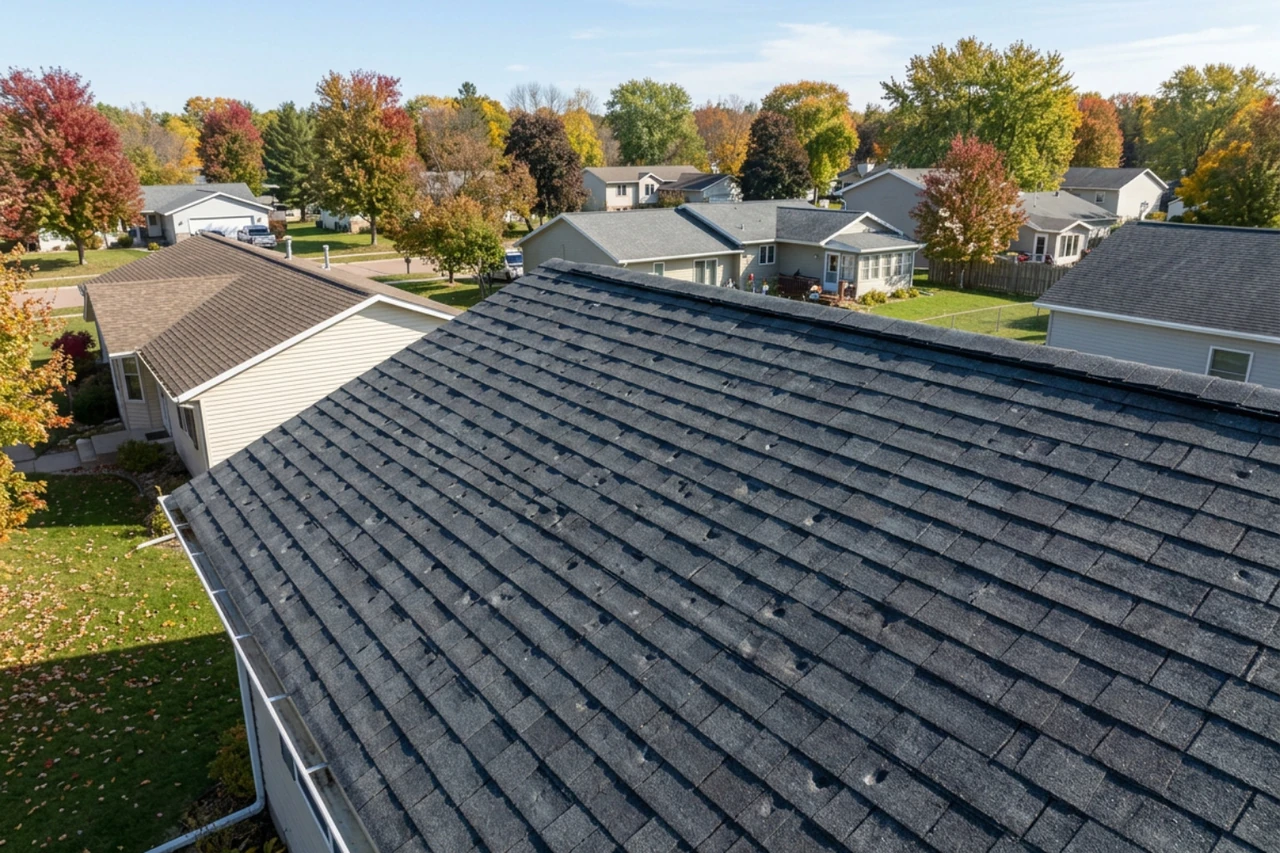
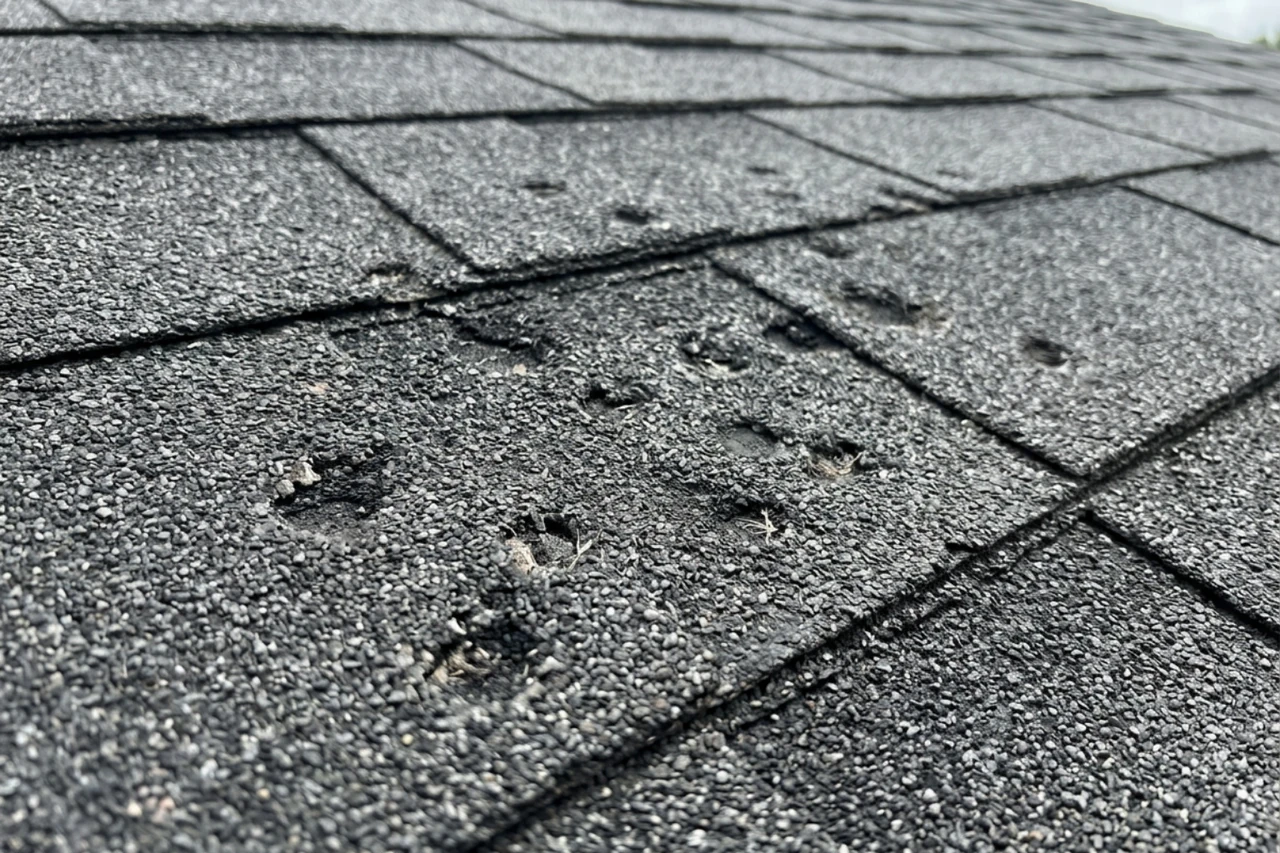
Severe weather, including high winds, heavy hailstorms, and falling tree limbs, can cause sudden damage to your roof. When a major storm hits Lincoln County, the process of getting your roof repaired or replaced through your homeowners insurance can feel overwhelming.
Local, established contractors can help you navigate this process. Rather than trying to handle the insurance company alone, working with a local roofer can help ensure that damage is documented to assist with your claim. You can find more info about storm damaged roofs to help you understand your options.
What Steps Should You Take After Storm Damage?
If you suspect your roof has been damaged in a storm, we recommend taking a systematic, safe approach:
- Safety First: Never climb onto a wet, damaged, or steep roof yourself. It is safer to leave the climbing to professionals who have the proper safety harnesses and training.
- Ground-Level Inspection: Walk around your yard and look for obvious signs of damage from the ground. Look for missing shingles, dented gutters, damaged siding, or fallen tree branches.
- Check the Attic: Go inside your attic with a flashlight and check for active drips, damp insulation, or water stains on the underside of the roof deck.
- Document Everything: Take photos of any debris in your yard, hail dents on your deck furniture, or water damage inside your home.
- Call a Local Professional: Contact an established local contractor to perform a thorough, professional inspection. They can provide a detailed, written report and a clear estimate to share with your insurance adjuster.
To help you spot potential issues safely, you can use our more info about our roof inspection checklist to guide your ground-level walk-through.
What Are the Most Common Questions About Tomahawk Roof Repair?
Planning a roofing project usually brings up several practical questions. Here are clear, straightforward answers to the questions we hear most often from local homeowners.
Do I Need a Permit for Roof Construction in Tomahawk?
In many cases, a building permit is often required for structural roofing work, including a full tear-off and replacement. Permit rules vary by municipality, and local building codes must be followed to help ensure your roof can handle our winter snow loads.
Tomahawk City Hall is located at 23 N 2nd Street, and you can contact them directly with questions about local building codes. However, when you work with a professional, licensed roofing contractor, they can often help handle the permitting process for you, which we can confirm during the estimate.
How Long Does a Typical Roof Replacement Take?
For many standard residential homes, a full roof replacement is often completed in a few days, depending on the system, the size and complexity of your roof, and the weather conditions.
Our local crews work efficiently to minimize disruption to your daily routine. We focus on completing the tear-off, making any necessary structural repairs to the wood deck, and installing the new system efficiently so your home is protected.
What Are Highly Reliable Roofing Materials for Northwoods Winters?
There is no single material that is perfect for everyone, but two options perform exceptionally well in our harsh winter climate:
- GAF Asphalt Shingles: We highly recommend GAF shingles with high-impact and wind ratings. They are designed to withstand freezing temperatures without cracking and resist high winds. For residential shingle projects, we only recommend GAF products because of their durability and manufacturer warranty support.
- Standing Seam Metal: Metal roofing is a durable option for our region. Its smooth surface allows heavy snow to shed easily, which can help reduce the risk of ice dams. However, metal roofing is a premium system that requires specialized installation, meaning it may not fit every homeowner's budget. We position metal honestly as a long-term, high-performance investment.
How Can Eagle River Roofing Help Protect Your Home?
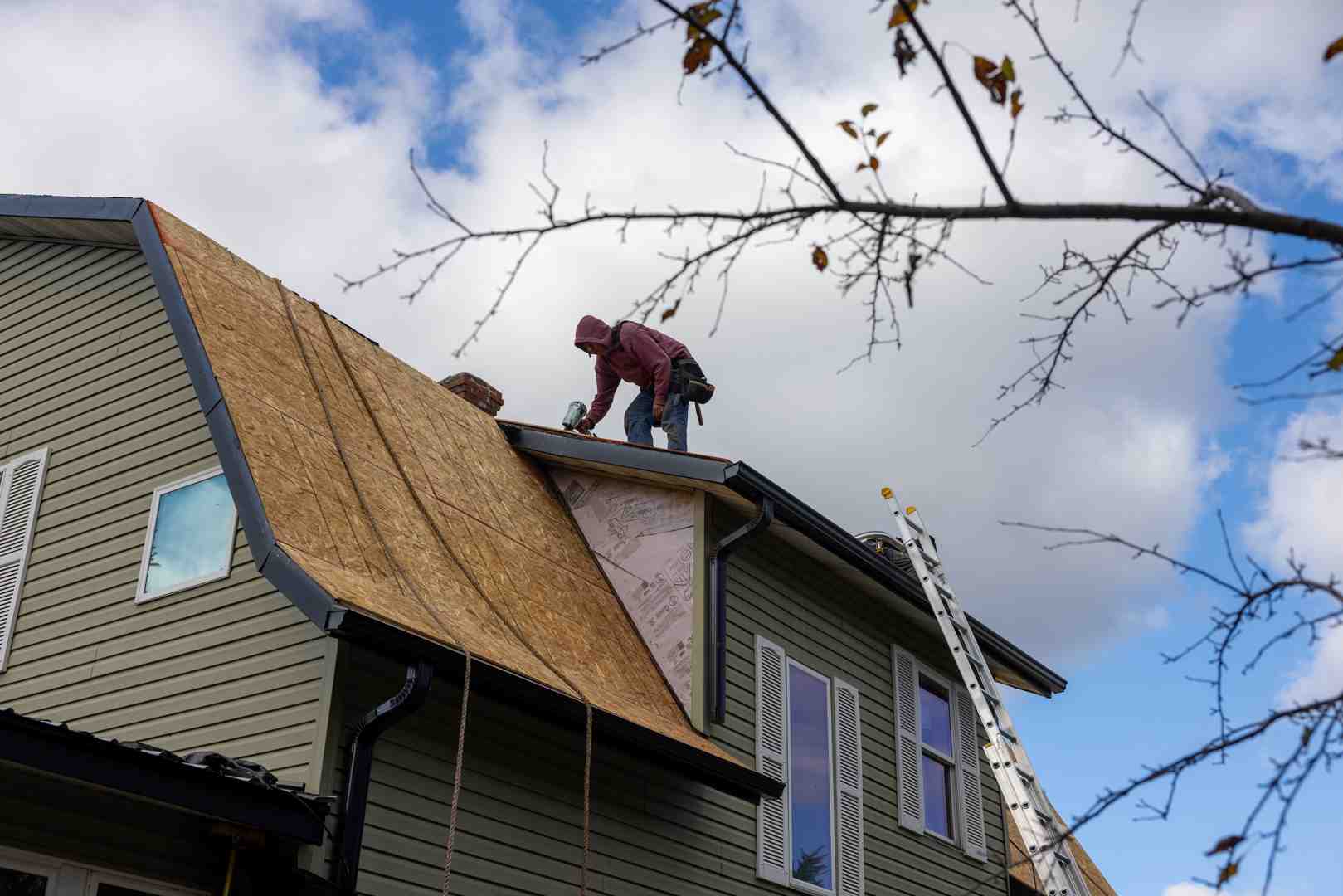
At Eagle River Roofing, we understand that having work done on your home can be stressful. That is why we focus on providing a calm, helpful, and transparent experience from start to finish. We do not believe in high-pressure sales tactics or confusing jargon. Our goal is simply to educate you about your roof's condition and help you make an informed decision for your home and budget.
We are proud to serve communities across the Northwoods, including Eagle River, Rhinelander, Minocqua, St. Germain, Three Lakes, and nearby communities. If you are looking for a reliable team near you, you can read more info about our roofing company near Minocqua to learn more about our local services.
Why Trust Our Northwoods Team?
Eagle River Roofing was established in late 2023. While our brand is relatively new, our individual team members bring extensive local construction and roofing experience in Northern Wisconsin. Over the years, our team members have been involved in the installation of numerous roofs and gutters across the region.
Here is what you can expect when you choose to work with us:
- GAF Master Elite Status: This high-tier certification can allow us to offer GAF's strong manufacturer warranties on qualifying residential shingle projects, which we can confirm during the estimate.
- Tidy Job Sites: We treat your property with respect. We use catch-all netting to protect your landscaping and perform magnetic sweeps to clear away stray nails before we leave.
- Clear Written Quotes: Our estimates are detailed, showing what is included so you can plan with confidence.
Whether you need a minor repair to get through the season or are planning a full roof replacement, we are here to help. You can explore our instant estimate tool to get a quick idea of your project's scope, or visit our main homepage to schedule a friendly, no-pressure consultation with our local team.
This article is for general informational purposes only and may not reflect the most current products, pricing, codes, availability, weather-related recommendations, or roofing requirements for your specific property. Every home and roof is different, especially in the Northwoods. Please contact Eagle River Roofing directly for the latest information and guidance for your project.

