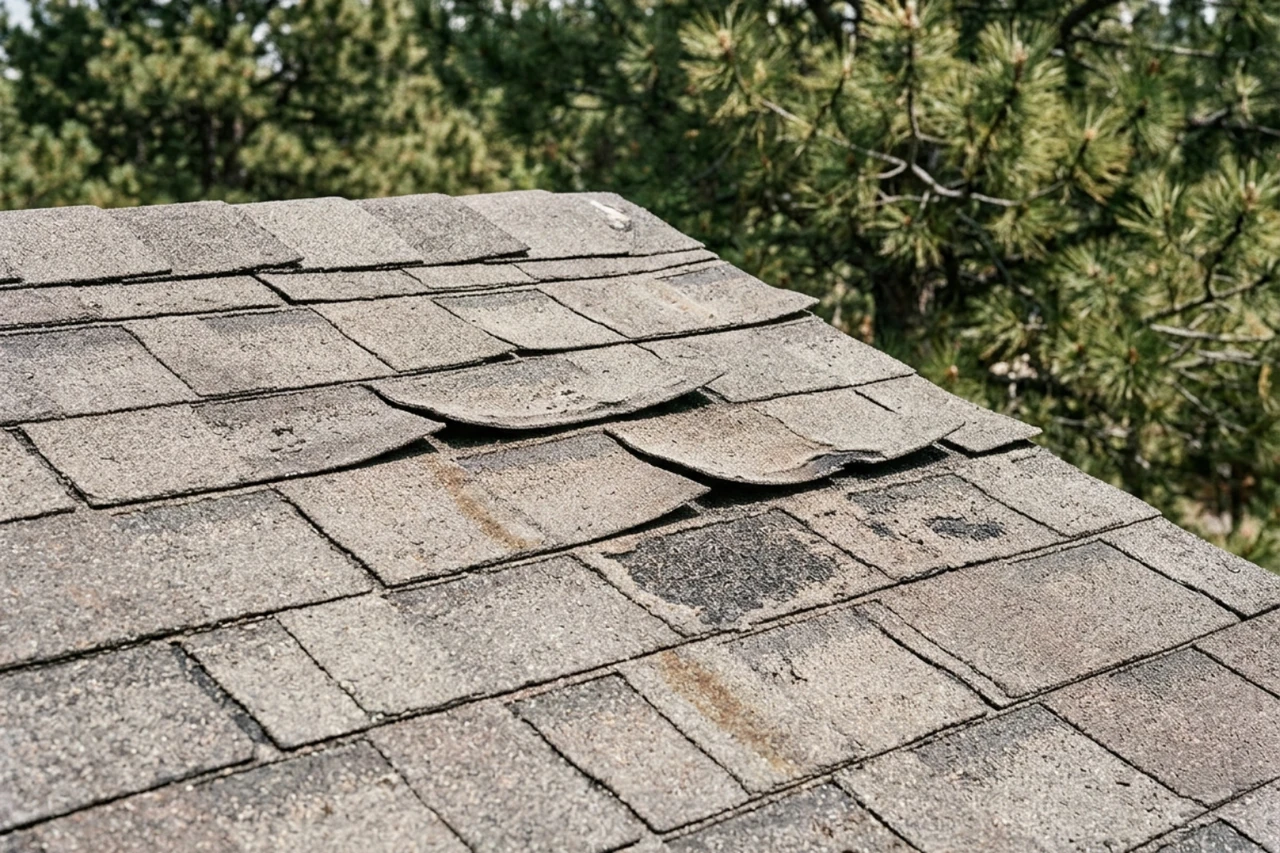
What Is the Optimal Time of Year to Replace a Roof in the Northwoods?
Replacing a roof in Northern Wisconsin or the Upper Peninsula is quite different from doing the same project in southern regions. If you are comparing weather patterns across the state, you will quickly notice that our Northwoods seasonal windows are much shorter. Early autumn frosts arrive faster, spring thaws bring deep slush, and winter cold lingers well into April. For general seasonal climate context, the National Weather Service climate portal can be a helpful reference, but your installer should still confirm local jobsite conditions close to the start date.
Every season in our region presents a distinct balance between outdoor weather conditions, material performance, and contractor availability. Planning a New Roof Installation Northwoods WI comes down to finding the ideal weather window for your home and chosen material.
Fall (September - November): The Goldilocks Roofing Season
Ask almost any experienced local installer, and they will tell you that autumn is the prime time for roof work in the Northwoods. September and October consistently offer daytime temperatures in the 50°F to 70°F range, accompanied by clear skies and lower humidity.
These moderate temperatures create the ideal environment for asphalt shingles. The seal strip on the underside of each shingle gets enough ambient heat from daytime sunlight to activate and stick down firmly. At the same time, air temperatures stay cool enough that installation crews can walk across the roof deck without scuffing the surface.
Replacing your roof in early fall also helps your home stay better protected before winter weather settles in. A strong roof installed before November can help shield your home against heavy snow accumulation, winter winds, and freeze-thaw cycles. Because fall is so popular, contractor schedules often fill up fast. We usually recommend booking early in the summer if you are aiming for a September or October installation.
Spring (March - May): Post-Winter Recovery and Early Bookings
Spring is a time when many Northwoods homeowners notice roof damage. As heavy snow melts away and early spring rains begin, hidden winter leaks and ice dam damage often show up on interior ceilings.
March and April can be unpredictable in Eagle River, Rhinelander, and Minocqua. Late snowfalls, muddy driveways, and frequent spring showers can lead to occasional weather delays. However, May often brings a fantastic opportunity for homeowners.
By May, temperatures consistently cross above the 40°F mark required for proper shingle sealing. Industry booking trends show that May and early June frequently have fewer schedule bottlenecks compared to late summer and early autumn. Homeowners who plan ahead during late winter can secure early spring dates and complete their project before summer activities begin.
Summer (June - August): Long Daylight Hours with High Heat Risks
Summer offers long daylight hours and generally predictable weather, allowing installation crews to often finish standard residential replacements in just 1 to 3 days, depending on weather and roof complexity. This speed is a big advantage for seasonal property owners in St. Germain or Three Lakes who want work completed between family visits.
However, summer in the Northwoods comes with thermal challenges. On a humid 85°F July afternoon, surface temperatures on a dark asphalt roof can top 120°F. When shingles become very warm, their asphalt backing softens, making them easier to scuff during installation.
To protect your roof during high summer heat, our crews often start work very early in the morning while the roof deck is still cool. This approach helps ensure shingles are installed cleanly while taking full advantage of summer daylight.
Winter (December - February): Emergency Work and Cold-Weather Limitations
Winter is the most challenging time for roof work in Northern Wisconsin. Temperatures routinely drop well below freezing, and heavy snow covers roof decks for months at a time.
When outdoor temperatures fall below 40°F, standard asphalt shingles become stiff and brittle, making them prone to cracking during hand-nailing. Furthermore, the self-sealing tar strip on asphalt shingles cannot activate without direct sun and warm ambient heat.
While full non-emergency shingle replacements are rarely scheduled in mid-winter, emergency repairs and full tear-offs may still be done safely when conditions allow. We use specialized cold-weather protocols, such as storing materials in heated spaces prior to installation and manually applying specialized roofing cement under shingle tabs. Metal roofing can also be installed during winter months because standing seam panels use mechanical fasteners rather than heat-activated adhesives.
How Do the Seasons Impact Roofing Materials and Installation Quality?
The changing seasons do more than just affect installer comfort. They directly influence how roofing materials behave during and after installation. Selecting the right material for your timeline can make a big difference in long-term performance.
| Season | Typical Temperature Range | Asphalt Shingle Suitability | Standing Seam Metal Suitability | Key Advantages | Primary Risk Factors |
|---|---|---|---|---|---|
| Fall | 40°F to 70°F | Optimal | Excellent | Perfect shingle sealing; low humidity | High booking demand; early snow risk |
| Spring | 35°F to 60°F | Good (May) | Excellent | Solves winter damage early; flexible scheduling | Spring rain showers; late thaws |
| Summer | 65°F to 85°F+ | Moderate to Good | Very Good | Long daylight hours; fast completion | Soft shingles from heat; high humidity |
| Winter | Below 32°F | Emergency Only | Good | Immediate relief for structural leaks | Brittle shingles; snow clearing required |
Thermal Activation and the Asphalt Shingle Temperature Range
Asphalt shingles rely on thermal seal strips to bind individual courses together into a single, wind-resistant system. The ideal ambient temperature range for installing asphalt shingles is between 40°F and 85°F.
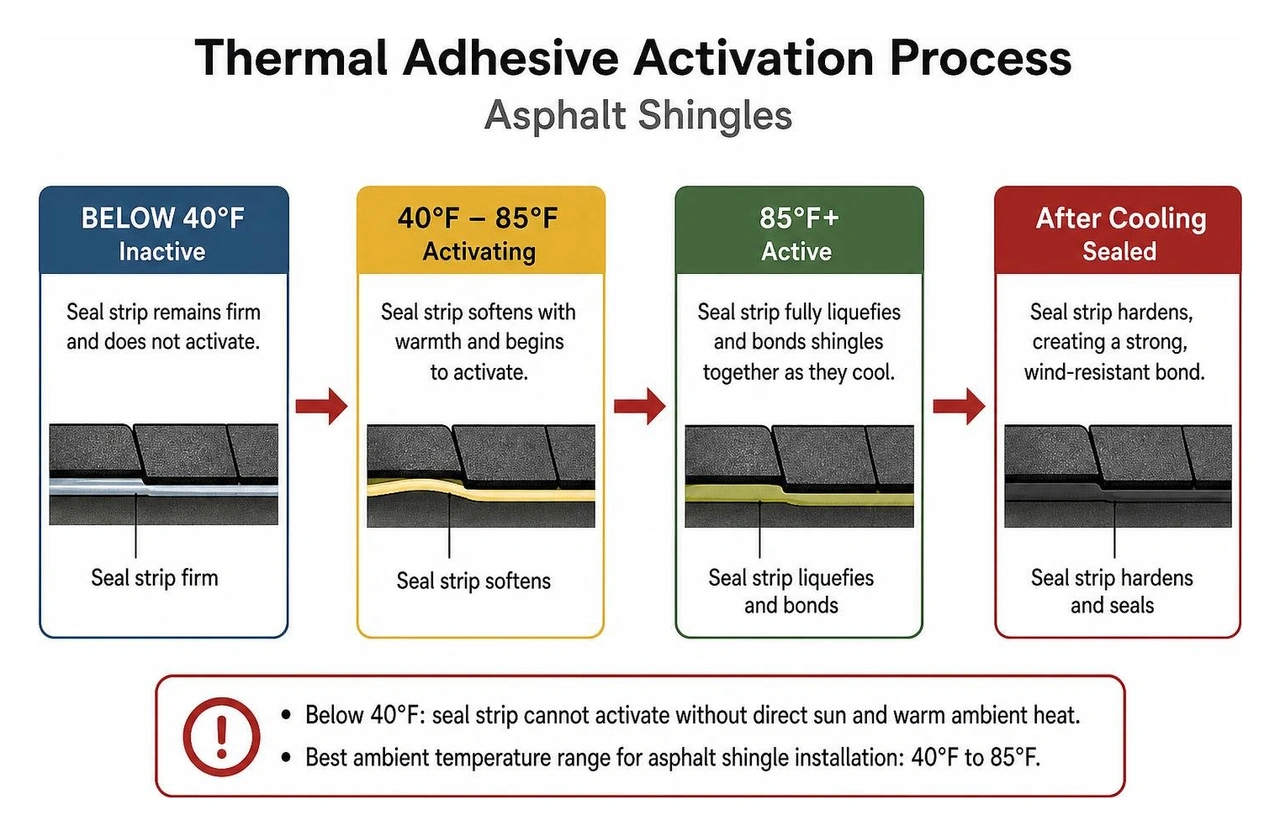
When temperatures drop below 40°F, the seal strip remains firm and inactive. If high winter winds blow across an unsealed roof, individual shingles can lift or blow off entirely. When winter installation is necessary, installers must hand-tab each shingle with approved roofing cement to hold them in place until warmer weather arrives in spring.
For residential shingle installations, we exclusively use GAF architectural shingles. While some homeowners ask about other brands like CertainTeed, we recommend GAF systems because their Advanced Protection shingle technology and LayerLock seal mechanism provide excellent wind and cold-weather resistance for Northwoods homes. You can read more about expected lifespan expectations in our guide on How Long Does an Asphalt Shingle Roof Last in Wisconsin.
Standing Seam Metal Roofing for Year-Round Durability
For homeowners looking for a long-term solution that handles winter weather exceptionally well, standing seam metal roofing is a premier choice. A quality metal roof can last 40 to 70 years, often serving as a lifetime roof for cabins and year-round residences alike.
Unlike asphalt shingles, standing seam metal panels do not depend on heat-activated adhesives. The panels interlock mechanically using hidden fasteners, allowing them to be installed in sub-zero winter temperatures without compromising material integrity.
Metal roofs also shed heavy snow loads quickly and naturally, which helps lower the risk of structural strain and ice buildup along eave lines. To learn more about how different materials handle snow loading, check out our resource on What is the Best Roof for Snow and Ice Dams in Wisconsin.
Synthetic Underlayment and Ice Shield Performance
Underneath your visible shingles or metal panels lies a critical line of defense: synthetic underlayment and ice and water shield membranes.
Self-adhering ice and water shield is a thick, rubberized membrane installed along roof eaves, valleys, and around roof penetrations like chimneys and pipe boots. In the Northwoods, where ice dams are a reality, code requires robust leak barriers along roof margins.
In cold weather, rubberized membranes become less pliable and stick less readily to the wood roof deck. High-quality synthetic underlayments remain flexible across a broader temperature range, giving your home superior moisture defense even if work takes place during cooler shoulder seasons.
At the same time as a roof replacement, addressing your attic's balanced intake and exhaust ventilation is essential. Installing proper attic ventilation varies in cost depending on the roof layout, but it pays huge dividends. Proper airflow helps regulate attic temperatures, helping prevent trapped winter heat from melting snow on the roof and forming severe ice dams.
How Does Seasonality Affect Roof Replacement Costs and Scheduling in Northern Wisconsin?
Understanding seasonal pricing trends and contractor availability helps you plan your project budget without unexpected surprises.
Average Roof Replacement Costs in the Northwoods
In Northern Wisconsin, the total cost of a new roof varies depending on home size, roof slope, material selection, and structural repairs.
- GAF Architectural Shingles: Offer a reliable, high-performing option for standard residential roofs.
- Standing Seam Metal Roofing: Requires a higher initial investment reflecting its extended lifespan, durable construction, and specialized installation labor.
- Tear-off and Disposal Fees: Depend on how many existing layers of old materials require removal before installation.
- Roof Pitch and Complexity: Steep roof pitches (such as an 8:12 slope or higher) require specialized safety rigging and extra care, which can increase overall labor costs.
For a deeper look into project estimates, refer to our complete Estimated Roof Replacement Cost Guide 2026.
Seasonal Price Fluctuations and Off-Peak Savings
Because demand reaches its peak in late summer and early fall, some homeowners ask if replacing a roof in winter yields significant cost savings. While off-season labor rates may sometimes look lower on paper, winter installations often require extra labor for snow clearing, heater setups, and manual shingle hand-tabbing. These factors can quickly offset potential savings.
A low-ball estimate during the off-season can also be a red flag. Unscrupulous budget contractors might cut corners by skipping necessary ice and water shield layers, omitting drip edge flashing, or failing to replace rotted decking sheathing. Choosing a clear, itemized quote from a reputable contractor helps ensure you get full system protection and lasting manufacturer warranties regardless of the season.
Contractor Lead Times and Booking Strategy
Booking bottlenecks hit Northern Wisconsin every autumn. Homeowners who wait until September to call a roofer often discover that reputable local crews are fully booked through the first snowfall.
To secure your preferred timeframe, keep these scheduling guidelines in mind:
- For a Fall Replacement: Request your estimate and lock in your contract by June or July.
- For a Spring Replacement: Reach out during late winter (February or March) so your project is placed at the top of the schedule once snow clears.
- For Seasonal Cabins: Schedule work during late May or June to avoid interfering with peak summer vacation use.
Project timelines themselves are relatively brief once work starts. Most residential roofs often take 1 to 3 days to replace, depending on weather, scope, and roof complexity. You can learn more in our detailed article on How Long Does It Take to Replace a Roof in Northern Wisconsin.
How Do You Know When Your Roof Needs Immediate Replacement?
While planning around ideal seasonal weather is often preferred, severe roof wear may not wait for a convenient date on the calendar. Knowing when to act can protect your home from costly interior damage.
Visual Indicators of End-of-Life Roof Aging
You do not need to climb onto your roof deck to spot early signs of failure. Ground-level checks often reveal clear warning signals:
- Heavy Granule Loss in Gutters: Granules protect asphalt shingles from ultraviolet sun rays. Finding thick piles of dark grit in your gutters indicates that shingles are approaching the end of their service life.
- Curled, Cupped, or Cracked Shingles: As asphalt ages and dries out, shingle edges begin curling upward or cracking across the face.
- Missing Shingles: Wind gusts often snap off aging shingles whose thermal adhesive strips have failed.
- Ceiling Water Stains and Attic Daylight: Dark water spots on interior drywall or visible sunlight coming through roof boards in the attic mean water is bypassing your underlayment.
Explore more visual warning signs in our detailed guide on Roof Replacement Signs.
Managing Ice Dam History and Chronic Winter Leaks
If your home suffers from recurring ice dams every winter, your roof system may be compromised underneath. Freeze-thaw cycles force meltwater beneath shingle edges, where it freezes, expands, and lifts shingles off the deck. Over time, this recurring stress can rot plywood sheathing and ruin interior drywall.
When dealing with a roof that is 20 to 30 years old, patching individual leak points often becomes only a temporary fix. Full replacements allow installers to inspect structural wood decking, repair rot, install modern synthetic underlayment, and upgrade leak barriers. If you are debating your options, read our guide on How Do You Know Whether Your Roof Needs a Repair or a Full Replacement.
Cabin and Seasonal Property Considerations
Vacation properties in towns like Eagle River, Minocqua, or Rhinelander present unique maintenance challenges. Unheated or periodically heated cabins are especially vulnerable to heavy snow loads and standing ice.
If a seasonal roof fails during winter while the property is unoccupied, small leaks can go unnoticed for weeks, causing extensive water damage before spring. Conducting a thorough roof check every autumn helps ensure your cabin stays dry while you are away. For specific advice on vacation homes, visit our Northern Wisconsin Cabin Roof Guide.
How Should You Prepare Your Northwoods Property for a Roof Replacement?
Once you have scheduled your replacement date, taking a few simple preparation steps helps ensure a smooth, safe installation day.
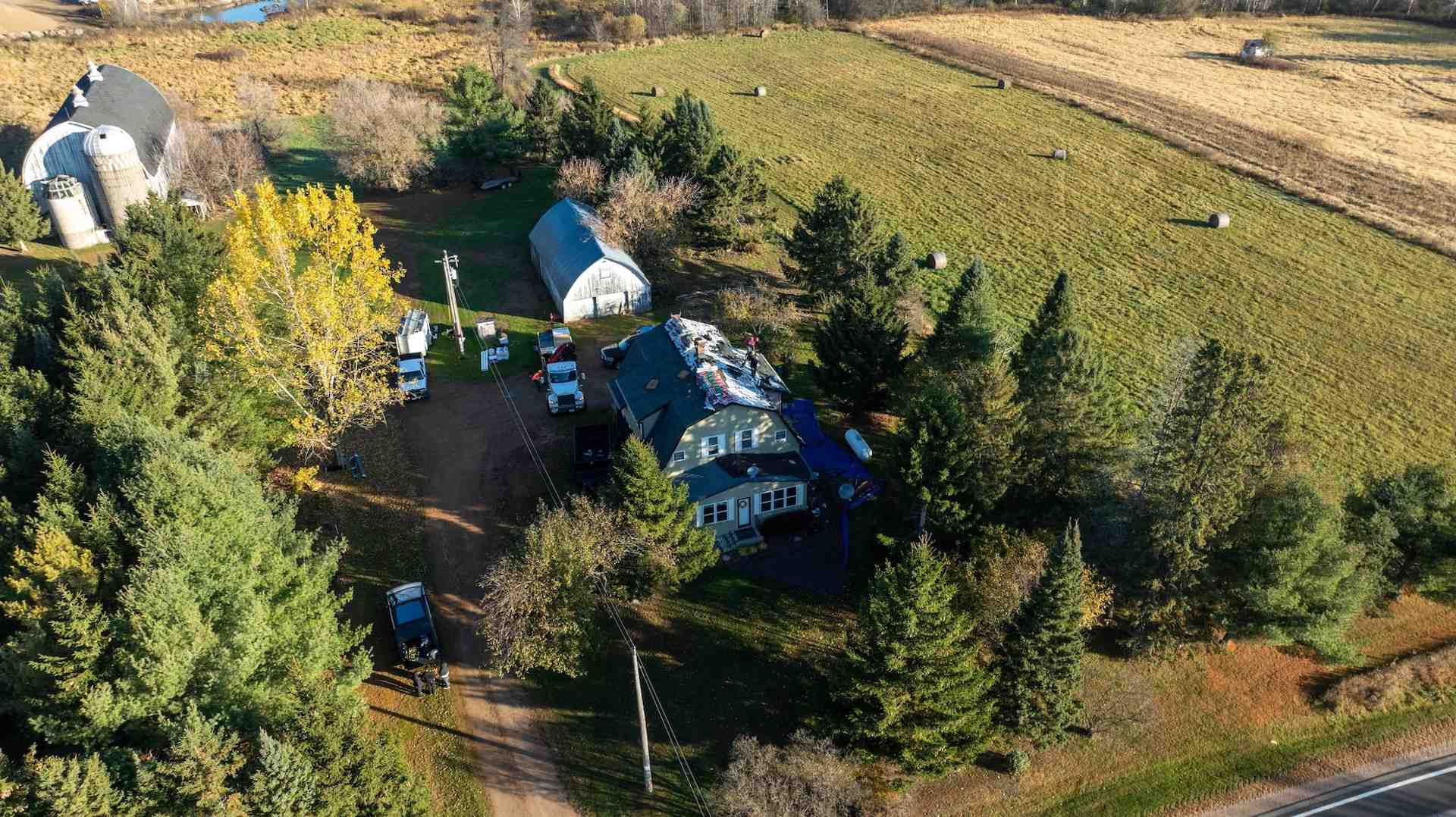
Pre-Installation Homeowner Checklist
- Clear Driveway Access: Park your vehicles on the street or away from the driveway so trucks can deliver materials and park the cleanup dumpster close to the home.
- Protect Driveways and Decks: Ask your contractor if they use driveway boards or protective padding beneath heavy dumpster wheels.
- Secure Outdoor Belongings: Move patio furniture, potted plants, grills, and lawn ornaments away from the roof perimeter to keep them safe from falling debris.
- Protect Attic Belongings: Tear-off work naturally creates vibration that can drop small dust and wood particles between roof boards. Covering stored items in your attic with plastic drop cloths keeps them clean.
- Remove Interior Wall Decor: Hammering on the roof deck vibrates house walls. Removing fragile pictures, mirrors, and glass decorations helps reduce the risk of accidental falls inside your living space.
- Keep Pets and Children Safe: Roofing work involves noise and movement. Keeping pets indoors or making daycare arrangements helps reduce stress for everyone.
For more preparation tips, view our comprehensive Roofing Contractors Complete Guide 2026 and check out Best Roofing Tips Eagle River 2026.
Selecting a Qualified Local Northwoods Contractor
Choosing the right roofing contractor matters just as much as picking the right season or material. Northern Wisconsin's climate demands specialized knowledge of ice dam prevention, heavy snow shedding, and proper flashings.
When evaluating potential contractors, look for these credentials:
- Local Ownership and Physical Presence: Choose a contractor rooted in the community who will be around to support their workmanship for years to come.
- Licensing and Active Insurance: Verify that the company holds valid Wisconsin state contractor credentials along with full liability and worker's compensation insurance.
- Factory Certifications: Look for recognized manufacturer statuses, such as GAF Master Elite status, which allows contractors to offer enhanced lifetime warranty coverage on qualifying projects, depending on product and registration.
- Itemized Written Quotes: Ensure your written estimate clearly details tear-off fees, underlayment specs, flashing replacements, vent installations, and cleanup commitments.
As a locally owned company, Eagle River Roofing was founded in late 2023, drawing on over 50 years of collective local industry experience among our team. Our installation team focuses on providing clear written quotes, tidy job sites, and calm, reliable communication from start to finish.
What Are the Most Common Questions About Northwoods Roofing Seasons?
Can a roof be replaced during a Wisconsin winter?
Yes, a roof can be replaced during winter, but it requires careful material selection and specialized installation methods. Standing seam metal roofing is well-suited for winter installation because panel systems fasten mechanically without relying on heat-activated adhesives. If asphalt shingles must be installed during freezing weather, installers must manually apply approved roofing cement under shingle tabs to secure them until warm spring sun seals them permanently.
What is the least busy month to hire a roofing contractor in the Northwoods?
May and early June are typically the least busy spring months for booking flexibility. Many homeowners wait until late summer or autumn to think about their roofs, leaving May and June schedules open for quicker project turnarounds and more flexible start dates.
How long does a residential roof replacement take in Northern Wisconsin?
On a typical single-family home or cabin, a full tear-off and roof installation often takes between 1 and 3 days, depending on project conditions and layout. Factors that can extend this timeline slightly include steep roof pitches, multiple layers of old shingles, structural deck rot repairs, or unexpected weather holds like heavy spring rain.
What Are Your Next Steps for a Northwoods Roof Replacement?
Timing your roof replacement correctly is an effective way to protect your home and your investment. While emergency repairs can often be handled in any season, planning an asphalt shingle installation for early fall (September through November) or late spring (May and June) provides a strong balance of weather conditions, material performance, and crew efficiency.
If your current roof is reaching the end of its lifespan, showing signs of granule loss, or struggling with chronic ice dams, taking action before winter arrives can give you more peace of mind.
Ready to explore your options with a careful local team? You can easily request an Instant Roofing Estimate from Eagle River Roofing today. We will provide a transparent, itemized quote and help you choose the ideal season to protect your Northwoods home for decades to come.
This article is for general informational purposes only and may not reflect the most current products, pricing, codes, availability, weather-related recommendations, or roofing requirements for your specific property. Every home and roof is different, especially in the Northwoods. Please contact Eagle River Roofing directly for the latest information and guidance for your project.

