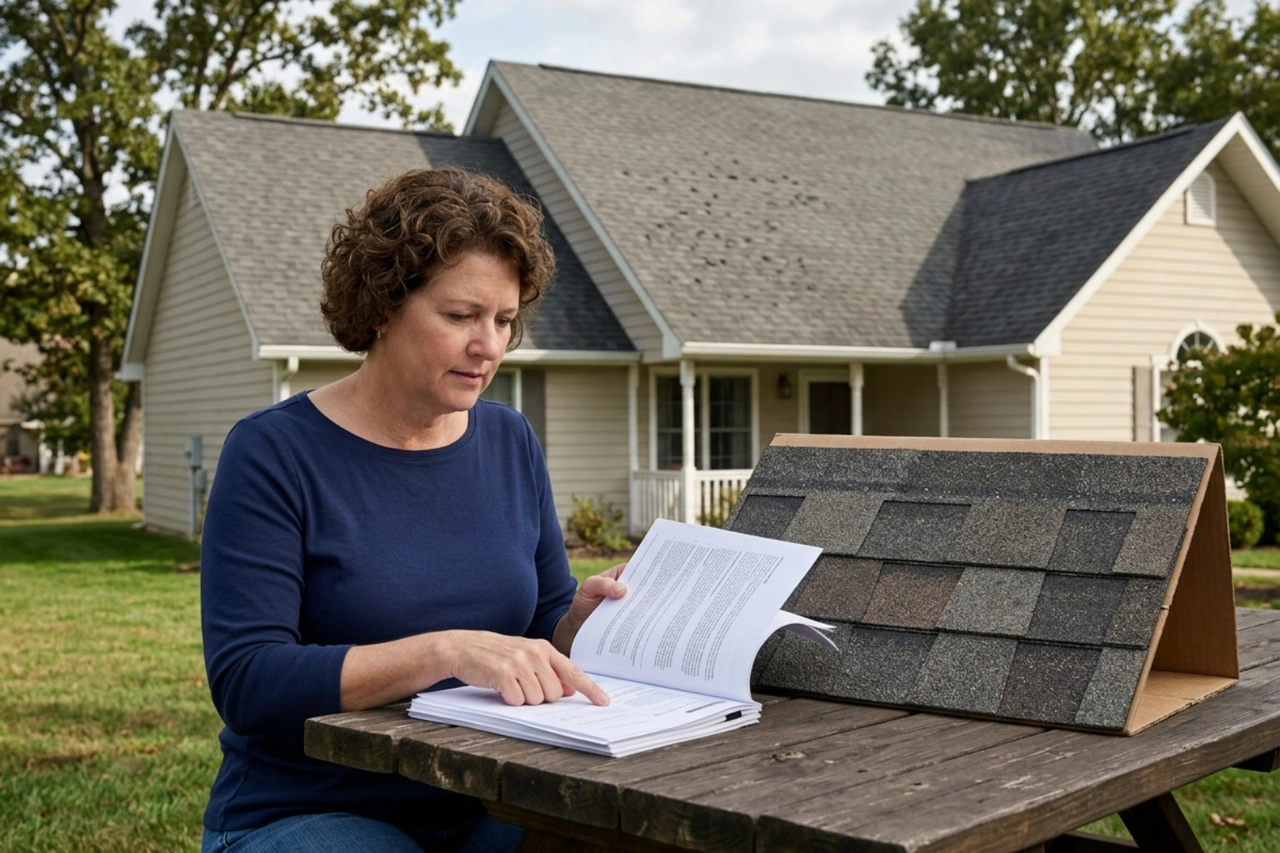
What Is the Fundamental Difference Between a Workmanship Warranty and a Manufacturer Warranty?
When you invest in a new roof, you are securing two distinct safety nets. Homeowners often think of a roof warranty as a single contract that covers anything that goes wrong. In reality, a complete roofing installation often comes with two separate protections issued by two entirely different entities: the shingle manufacturer and your installing roofing contractor.
Understanding this difference is essential. Because labor accounts for a significant portion of total roof replacement cost, confusion over who pays for what can lead to unexpected out-of-pocket expenses if an issue arises.
A manufacturer warranty focuses on the physical material itself against factory defects. A workmanship warranty covers the labor and physical assembly of those materials onto your home.
| Warranty Feature | Shingle Manufacturer Warranty | Contractor Workmanship Warranty |
|---|---|---|
| Who Issues It | Shingle factory (such as GAF) | Installing roofing contractor |
| What It Covers | Factory flaws, granule shedding, manufacturing defects | Nailing errors, improper flashing, installation leaks |
| Standard Duration | 25 years to "Lifetime" (often prorated later) | 2 to 10+ years (up to 25+ years on certified systems) |
| Labor Included? | Usually excluded after the initial non-prorated window | Yes, covers repair labor for installation mistakes |
| Primary Exclusions | Poor installation, ventilation issues, storm damage | Material failures, severe weather, third-party work |
Who Issues Each Warranty?
Shingle manufacturer warranties come straight from the product manufacturer. While competing brands like CertainTeed offer factory programs, for residential asphalt roofs we exclusively recommend and install GAF shingles. GAF provides material warranties designed to protect you if the shingles fail to perform due to a production error made at the factory.
Workmanship warranties come directly from your installing contractor. This coverage promises that the roofing crew applied the underlayment, ice barrier, starter strips, shingles, and flashing according to installation standards and local building codes.
Because a contractor's workmanship warranty is backed by the roofing company itself, business stability matters immensely. A long-term labor warranty is only as reliable as the contractor behind it.
Why Most Premature Failures Stem from Installation Errors
Industry statistics show that many roof leaks during the first ten years are caused by human installation errors rather than defective materials.
Common installation mistakes include:
- Misplaced or high-driven nails that puncture the shingle seal strip
- Improperly overlapped ice and water underlayment along eaves
- Faulty step flashing around chimneys and roof dormers
- Neglecting balanced attic intake and exhaust ventilation
In our Northwoods climate across Eagle River, Rhinelander, and Minocqua, proper installation details are even more critical. Heavy winter snow loads, freezing temperatures, and spring thaw cycles put extra stress on roof seams and flashings. If a contractor leaves a gap in the ice defense layer or misaligns a ridge vent, water intrusion can happen quickly during severe winter freeze-thaw cycles.
What Does a Shingle Manufacturer Warranty Cover (and Exclude)?
A standard manufacturer warranty is designed to cover manufacturing defects that cause premature shingle failure. If a shingle blistered in the factory curing process, cracked prematurely, or lost granules at an abnormal rate within the first few years, the manufacturer often steps in to replace the defective material.
To better understand standard vs. extended options, you can read more about Roofing Warranties Explained: Manufacturer vs Workmanship.
Manufacturer warranties typically state coverage spans from 25 years to "lifetime" terms. However, standard base warranties often carry limited scopes that leave homeowners responsible for significant replacement costs down the road.
How Does Warranty Proration Math Actually Work?
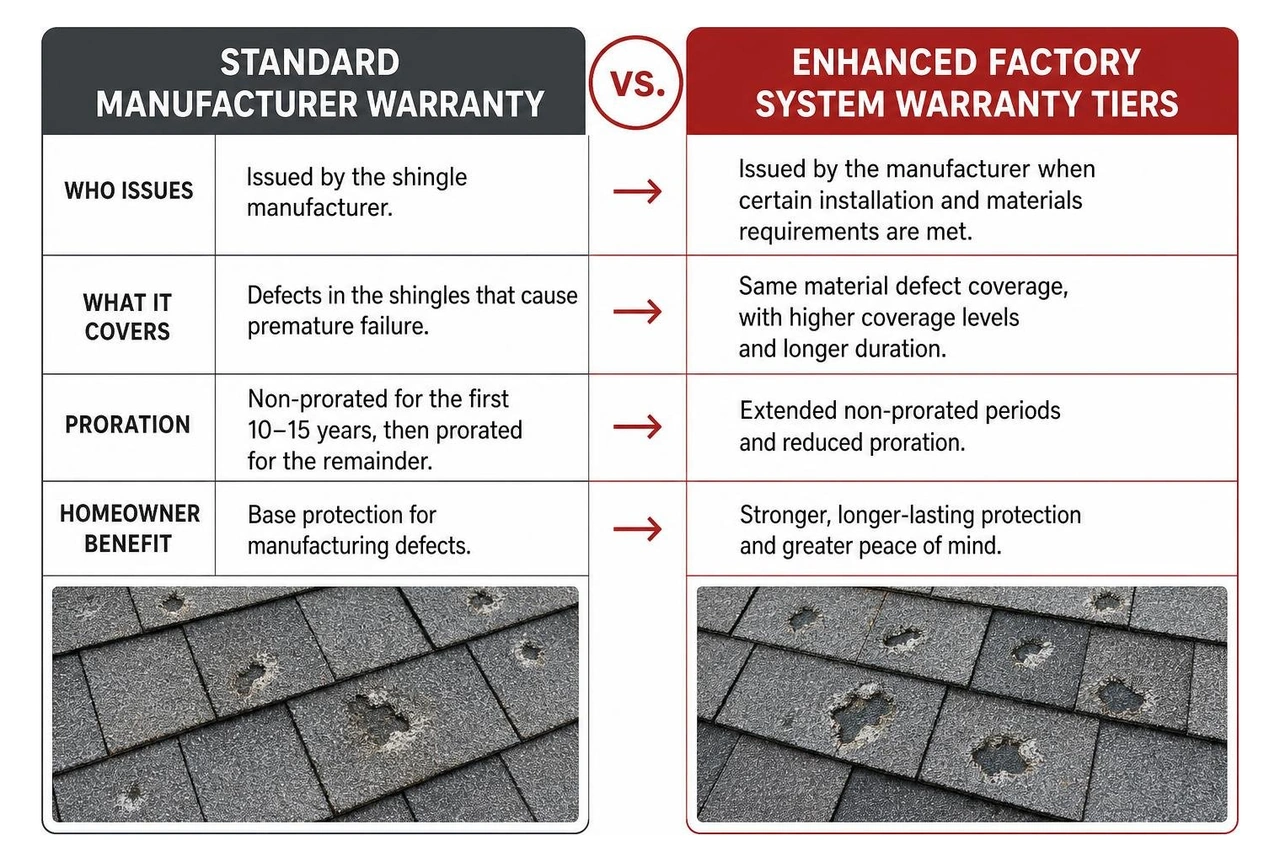
Most standard shingle warranties use two distinct phases: a non-prorated period and a prorated period.
- Non-Prorated Window: During the first 10 to 15 years, the manufacturer usually covers 100% of the replacement material cost for confirmed factory defects.
- Prorated Window: After year 10 or 15, coverage drops annually on a straight-line schedule.
For example, a standard 50-year warranty that switches to prorated coverage after year 10 may only cover 20% to 30% of the material cost by year 25.
Furthermore, in the roofing industry, the word "lifetime" does not mean your natural lifetime. It refers to the expected useful service life of the shingle under ideal conditions for the original homeowner. On standard base warranties, once the initial non-prorated window passes, the manufacturer usually will not pay for labor, tear-off, or disposal costs, leaving you responsible for the majority of the repair bill.
What Are Common Manufacturer Exclusions?
Shingle manufacturers carefully limit what their material warranties cover. Standard material policies explicitly exclude:
- Storm Damage: Windstorms exceeding rated wind speeds, hail, falling tree limbs, and ice damming are excluded (these fall under homeowners insurance).
- Installation Errors: Leaks caused by misplaced nails, poor flashing, or incorrect underlayment installation.
- Inadequate Attic Ventilation: Excessive heat or moisture buildup caused by unvented attics can invalidate material coverage.
To learn more about expected shingle lifespans under Upper Midwest weather conditions, check out our helpful guide on How Long Does an Asphalt Shingle Roof Last in Wisconsin.
What Does a Contractor’s Workmanship Warranty Cover?
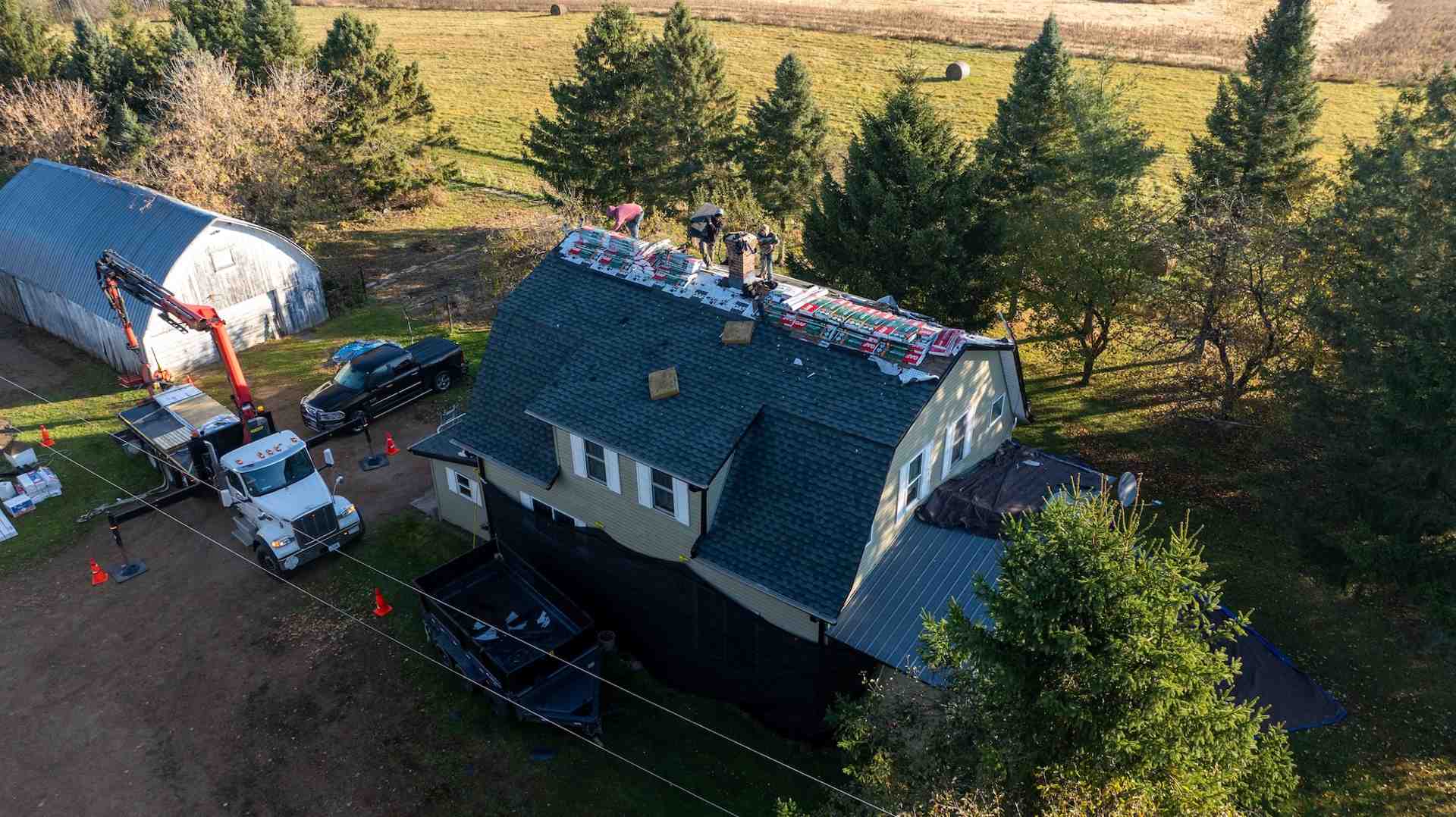
A contractor's workmanship warranty is designed to cover the labor, application, and physical assembly of your roof. If water leaks into your home because an installer misaligned a row of shingles, forgot to seal a pipe boot, or improperly nailed down flashing, the contractor's workmanship coverage typically handles the repair labor and materials to fix the mistake.
Standard contractor workmanship warranties often last anywhere from 2 to 10 years, though certified installation systems can extend factory-backed labor coverage up to 25 years or more depending on the system.
Why Contractor Longevity Matters More Than "Lifetime" Labor Guarantees
A long warranty duration on paper is only useful if the company offering it remains in business. Industry data shows that the average roofing company lifespan is under 10 years. Many startup contractors offer long workmanship warranties as a sales pitch, only to close their doors a few years later, rendering their self-backed coverage unenforceable.
A 10-year workmanship warranty from an established, financially stable roofer holds far more real-world value than an unverified promise from an unproven company.
At Eagle River Roofing, our company was founded in late 2023, but our ownership team brings a 50+ year legacy of local experience with over 9,000 roofs and 8 million feet of gutters installed across the Northwoods. That deep local history gives property owners peace of mind knowing we will be here to stand behind our work.
What Is Excluded from Workmanship Protection?
Workmanship warranties are designed to fix installation mistakes, but they carry sensible limits. Typical exclusions include:
- Third-Party Modifications: Damage caused by satellite dish installers, solar panel technicians, or tradespeople walking on the roof after installation.
- Lack of Maintenance: Water backup resulting from clogged gutters, accumulated debris, or severe ice build-up left unaddressed.
- Severe Weather: Damage from hail, tornadoes, microbursts, or extreme ice storms.
- Unauthorized Repairs: Hiring an unapproved third-party roofer to patch an issue can void your original installer's labor coverage.
How Do Manufacturer Warranty Tiers and Contractor Certifications Work?
Not all manufacturer warranties are created equal. Shingle manufacturers offer different coverage levels based on the components used, product registration, and the credential level of the contractor installing them.
For an in-depth look at coverage structures, you can review this Roof Warranty Guide: Manufacturer vs Workmanship.
Standard Limited vs. Enhanced System Warranties
Manufacturers break their protection packages into three primary tiers:
- Standard Limited Warranty: Is typically included with shingle purchases, depending on product and registration. It generally covers material defects only, carries a shorter non-prorated window (5 to 10 years), and excludes tear-off or installation labor once that initial period ends.
- Enhanced System Warranty: Applies when you install a complete, matching system from one manufacturer, including starter shingles, leak barriers, underlayment, ridge cap shingles, and attic vents. Depending on product and registration, this tier can extend non-prorated coverage.
- Factory-Backed System Protection: The highest tier available on qualifying projects. Available through factory-certified contractors, this tier is designed to cover material and installation labor costs for decades, backed directly by the manufacturer even if the installer were ever to close their business.
As a GAF Master Elite contractor, a certification achieved by only a small percentage of roofers nationwide, we can offer GAF's Golden Pledge Limited Warranty on qualifying complete systems. This can provide up to 25 years of misapplication coverage backed directly by GAF.
Why Choosing a Certified Installer Protects Your Investment
Shingle manufacturers do not grant top-tier certification status to just anyone. To achieve and maintain factory certifications, contractors must demonstrate:
- Active state licensing and robust general liability insurance
- A proven track record of financial stability and community trust
- Ongoing professional training for installation crews on manufacturer specifications
When hiring a contractor, verifying credentials helps protect your warranty eligibility. You can learn more about vetting local roofers in our guide on How Do I Choose a Roofing Contractor.
A certified contractor will usually provide clear documentation explaining exact coverage tiers and registration steps, as outlined in our breakdown of What Should Be Included in a Roofing Estimate.
What Common Actions Can Void Your Roofing Warranties?
Even the strongest roof warranty can become invalid if simple maintenance guidelines are ignored. Both manufacturers and contractors enforce specific conditions to maintain coverage.
Inadequate Attic Ventilation and Improper Installation
Improper attic ventilation is a leading reason shingle manufacturers reject warranty claims. Asphalt shingles require balanced attic airflow to prevent heat accumulation underneath the roof deck.
If an attic lacks sufficient intake (soffit) and exhaust (ridge or static) ventilation, summer attic temperatures can exceed 140°F. This intense trapped heat bakes the shingles from below, causing premature blistering, curling, and thermal cracking. When an inspector finds an unvented attic, material claims are typically denied.
Mixing material brands can also invalidate enhanced system warranties. Installing one brand's shingles over another manufacturer's underlayment or ridge vent may revert your coverage back to a basic limited warranty.
Unauthorized Modifications, Pressure Washing, and Missing Registration
Other frequent triggers for warranty claim denials include:
- Unapproved Roof Penetrations: Mounting satellite dishes or solar frames directly through shingles without properly flashed mounting kits can void both material and labor warranties in the affected area.
- Pressure Washing: High-pressure water blasting strips the protective mineral granules off asphalt shingles, damaging their weather defense layer and potentially voiding manufacturer coverage.
- Failing to Register: Enhanced system warranties usually require formal registration with the manufacturer within 30 to 90 days after installation. If your contractor fails to submit registration, your roof may default to basic coverage.
- Missed Resale Transfer Deadlines: Most enhanced warranties permit a transfer to a new homeowner when selling your house, provided formal notification and transfer fees are submitted within required timeframes depending on product and registration.
What Frequently Asked Questions Do Homeowners Have About Roof Warranties?
Is a Roof Warranty the Same as Homeowners Insurance?
No, roof warranties and homeowners insurance protect against completely different risks:
- Warranties are designed to cover internal product or installation failures. Manufacturer warranties cover defective materials, while workmanship warranties cover installation labor mistakes.
- Homeowners Insurance typically covers external, sudden, and accidental storm events. Severe windstorms, hail, falling trees, ice dam damage, and fire often fall under your insurance policy, not your warranty.
What Should I Do Immediately If I Spot a Roof Leak?
If you notice ceiling stains or water intrusion, take these immediate steps:
- Document Everything: Take clear, date-stamped photos of the interior water stain, attic dampness, and active drips.
- Contact Your Original Contractor: Call the installing roofer first before hiring outside technicians. Allowing an unapproved third party to alter the roof deck can void your workmanship coverage.
- Review Your Contract Files: Check your written warranty documents to see if the issue falls within the contractor's labor window or requires a manufacturer inspection.
Can I Transfer My Roof Warranty When I Sell My Home?
Most top-tier manufacturer warranties allow a transfer to the buyer if you sell your home, depending on product and registration. This feature can add real resale value to your property in communities like St. Germain or Three Lakes.
To complete a valid transfer, the new owner usually must submit a transfer form and fee to the manufacturer within required deadlines after closing. Contractor workmanship warranty transfers depend entirely on the written terms in your original roofing contract. Keeping a complete history file with your original quote, invoices, and warranty certificates makes this transfer seamless.
How Can You Ensure Your New Roof Is Fully Protected?
To keep your roofing investment secure for decades to come, we recommend following these simple guidelines:
- Hire a Factory-Certified Contractor: Partnering with a certified installer can unlock factory-backed labor protection and extended non-prorated material windows on qualifying projects.
- Demand Detailed Written Contracts: Ensure your proposal explicitly spells out both material warranty tiers and contractor workmanship terms rather than vague verbal promises.
- Verify System Registration: Confirm that your installer submits your enhanced warranty paperwork to the manufacturer after job completion.
- Maintain Balanced Ventilation & Maintenance: Keep gutters clean, avoid pressure washing shingles, and ensure soffit intake vents remain clear of insulation blockages.
If you are planning a roof replacement across Eagle River, Rhinelander, Minocqua, or nearby Northwoods communities, we are here to help you navigate your options with zero pressure.
You can estimate your project costs using our Instant Roofing Estimate Tool or contact our team at Eagle River Roofing today to schedule a complete written inspection and quote.
This article is for general informational purposes only and may not reflect the most current products, pricing, codes, availability, weather-related recommendations, or roofing requirements for your specific property. Every home and roof is different, especially in the Northwoods. Please contact Eagle River Roofing directly for the latest information and guidance for your project.

