What is a Roof Inspection and Why Does it Matter?
A roof inspection is like a checkup for your home. We climb up (when it is safe) or use a drone to look for signs of wear, storm damage, or hidden leaks. In the Northwoods, roofs take a beating from heavy snow, ice, and wind. That makes inspections more than a nice idea. They are part of protecting your home and your budget.
We look at how your roof is holding up under winter weight and freeze-thaw cycles. We also look for early leak paths. A small crack in your chimney flashing today can turn into a wet, moldy attic by next spring. Finding issues early is one of the simplest ways to avoid emergency calls when it is 10 below and snowing sideways.
Sometimes, an inspection shows that you need roof repairs. That might be a leaky pipe boot, a lifted shingle tab, or flashing that has pulled loose after a wind gust. Acting fast usually keeps a small fix from turning into a bigger job like replacing wet insulation or decking.
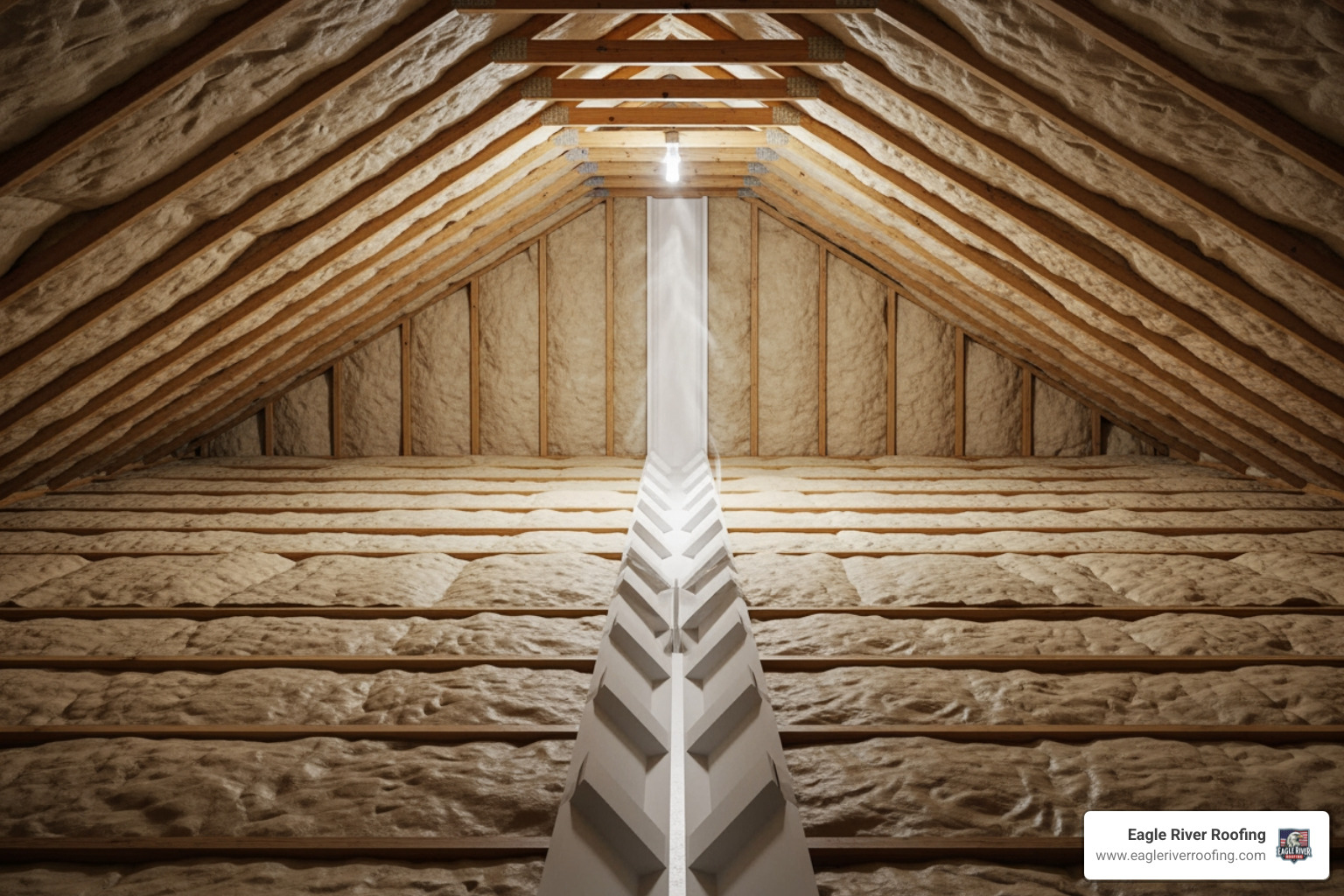
Inspections also help with safety and airflow. We often spot loose gutters, soft spots, blocked vents, and early signs of wood rot around eaves and valleys. Those problems can lead to ice dams, interior moisture, and damage to your fascia and soffit.
You might have seen strange roof stories online, too. Even though it is not common, roofs can surprise you. Here is one example where a huge snake ended up on a garage roof: Python on the roof story. For us, the lesson is simple. A roof inspection is not just about shingles. It is about checking the whole system so you know what is really going on up there.
If you are not sure whether your roof needs a quick check or a deeper look, we can explain options in plain language and show you photos of what we find. That way you can make a smart call before a small issue becomes a big one.
Breaking Down the Average roof inspection cost
The national average roof inspection cost is about $280. Most homeowners in our area spend between $125 and $376. Prices can change based on the roof type, the inspection method, and how hard the roof is to access.
If you have a simple ranch home with an easy slope, you might land on the lower end. If you have a steep roofline, multiple levels, or limited access because of snow and ice, it takes more time and more safety steps.
Commercial buildings are often priced differently. If you have a flat membrane system on a larger building, the cost is often based on size. This usually ranges from $0.05 to $0.10 per square foot.
One thing we want you to know: the inspection fee is usually small compared to what it can prevent. A quick inspection can catch problems like loose flashing or early ice-dam damage before water gets into insulation or framing. Even when an inspection does not find major issues, you get peace of mind and a clear baseline for planning.
Here is a look at how different roofing services are priced:
| Service Type | Estimated Cost | Why Choose It? |
|---|---|---|
| Standard Residential Inspection | $100 - $400 | General care and peace of mind. |
| Commercial Flat Roof Inspection | $200 - $600+ | Needed for large buildings and warehouses. |
| Minor Repair Assessment | $75 - $200 | Often included if you already have a leak. |
A few common reasons homeowners call us for an inspection include:
- A new water stain on a ceiling or wall
- Shingles that look lifted after a wind storm
- Ice dams or heavy icicles at the eaves
- Granules collecting at downspouts
- You are buying or selling and want a clear report
If you are comparing contractors, make sure you are comparing the same scope. A real inspection should include photos, notes, and a plan for next steps, not just a quick look from the ground.
Physical vs. Drone roof inspection cost
A physical inspection is very common. We set up a ladder and walk the roof when conditions allow. For a standard home, this usually costs between $75 and $200. It is great because we can feel for soft spots, check transitions up close, and look carefully at your GAF shingles and flashing details.
Some Northwoods roofs are too steep or high to walk safely, especially if there is frost, snow, or ice. That is when we use drones. A drone roof inspection cost usually falls between $150 and $450. We use a high-resolution camera to capture clear photos of every slope, ridge, valley, and penetration. It is also a good option when you want documentation for planning or for a potential insurance conversation after a storm.
Infrared Technology and roof inspection cost
If you have a leak that no one can find, you might need an infrared inspection. This uses thermal imaging to help spot moisture under the surface. Wet insulation often holds heat differently than dry insulation, and the camera can help show where the water may be trapped.
Because this gear is specialized and the reporting takes time, an infrared roof inspection cost is higher. It usually runs between $400 and $600. It is especially helpful on commercial flat membrane systems or homes with tricky leak paths where water travels before it shows up inside.
Infrared is not magic, but it can be a smart tool in the right situation. To learn more about thermal imaging as a method, you can read a general overview here: Thermography. We use what we see on the roof, what we find inside (like attic stains), and any thermal clues together so the repair plan is targeted and you are not paying to fix areas that are still dry.
Factors That Influence Your Final Bill
No two roofs are the same. A few things can change your roof inspection cost:
- Roof Size: A small roof takes less time to check than a large Northwoods lodge.
- Roof Material: Checking GAF architectural shingles is usually simple. If you have a standing-seam metal roof or a commercial membrane system, we need more time to check the seams and fasteners.
- Northwoods Ice Dams: In towns like Minocqua or Rhinelander, ice dams are a big problem. We may need to look closely at your attic vents and insulation to solve these issues.
- Access and Slope: If your roof is very steep or has many levels, it takes more time and safety gear. This adds to the labor cost.
- Location: We serve a large area from Eagle River to Ironwood. Travel time can play a small role if you are in a very remote spot.
For more advice on your roof type, check out our Knowledge Center tips.
What Happens During a Professional Inspection?
When we arrive, we follow a strict list to make sure we do not miss anything. A good inspection is more than just a quick look from the driveway.
Here is what we include:
- Structural Check: We look for sagging rooflines that mean the rafters are under stress.
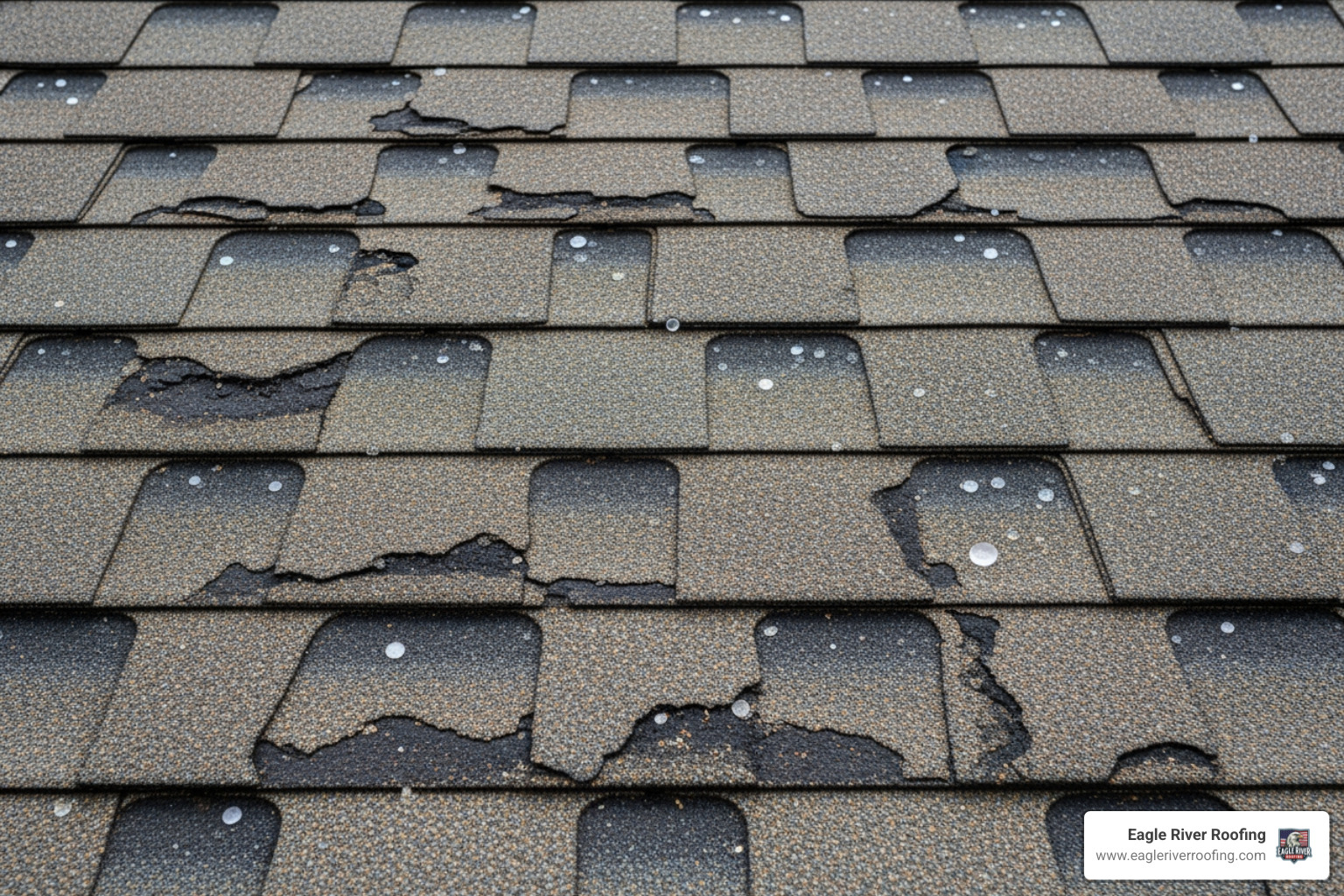
- Material Condition: We check your shingles for curling or cracks. If you have a metal roof, we look for loose fasteners or rust.
- Chimney Flashing and Pipe Boots: These are common leak spots. We make sure the metal and rubber seals are watertight.
- Seamless Gutters: We check if your gutters are pulling away or clogged. This can lead to wood rot.
- Interior Check: We often go into the attic. We look for water stains, mold, or light peeking through. We also check your vents to make sure your roof can breathe.
We follow high standards to ensure your report is accurate.
When to Schedule Your Next Inspection
Timing is very important. In the Northwoods, we suggest an inspection twice a year: once in the Spring and once in the Fall.
- Spring: After the snow melts, we check for damage from heavy snow and ice dams.
- Fall: Before the first big storm, you want to make sure your shingles and gutters are ready for winter.
You should also call us after any major storm. High winds can peel back shingles. Hail can leave marks that weaken your roof over time.
Other times you might need an inspection include:
- Buying or Selling a Home: If you are moving to Woodruff or St. Germain, an inspection protects your investment.
- Roof Age: If your roof is over 15 years old, it needs more checkups.
- Insurance Claims: If you have storm damage, your insurance company will need a professional report.
Frequently Asked Questions about Roof Inspections
How long does a professional roof inspection take?
For a standard home, it usually takes between 45 and 90 minutes. If the roof is very large or we need to crawl through the attic, it can take up to 4 hours. We recommend being home so we can show you what we found.
Does insurance cover the cost of an inspection?
Usually, the answer is no for normal maintenance. Insurance companies see inspections as part of owning a home. However, if you are filing a claim for storm damage, they might pay for a report if it proves there is a loss. It is best to call your agent and ask.
What is the difference between an inspection and a certification?
A roof inspection is a report on the current condition. A roof certification is a paper that estimates how much life the roof has left. This is often needed by lenders when you buy a home. A certification usually costs an extra $75 to $200.
Conclusion
Your roof is the most important shield your home has. While the roof inspection cost might feel like an extra expense, it is usually a small price to pay to avoid big repairs in the middle of January.
At Eagle River Roofing, we are Northwoods roofing and gutter specialists. We install GAF architectural shingles for residential roof replacement, and we also install and service metal roofing (including standing-seam) and commercial flat membrane systems. If your inspection points to a problem, we can handle the next step, whether that is leak diagnostics, chimney flashing repair, storm damage restoration, ventilation fixes to help stop ice dams, or seamless gutters and gutter guards.
If you are in Eagle River, Rhinelander, Minocqua, or anywhere across the Northwoods, schedule your inspection and get clear answers before the next storm hits.
This article is for general informational purposes only and may not reflect the most current products, pricing, codes, availability, weather-related recommendations, or roofing requirements for your specific property. Every home and roof is different, especially in the Northwoods. Please contact Eagle River Roofing directly for the latest information and guidance for your project.

