
Do Gutter Guards Cause Ice Dams?
No. Gutter guards do not cause ice dams, and they do not cure them. Ice dams usually begin when heat escapes into the attic and warms the roof from below. Snow melts higher on the roof, then the water runs down to cold eaves and refreezes.
Gutter guards are lower on the roof edge, so they are not the cause of that heat-and-cold pattern. Their winter value is simpler: they can help keep fall leaves and pine needles out of the gutter. When snow melts, open gutters and downspouts give that water a path away from the house.

A roof can have clean gutters and still develop an ice dam if warm air reaches the attic. In the Northwoods, long cold stretches and repeated thaws can make that roof temperature difference more noticeable. A roofing professional can help identify likely air leaks, insulation gaps, or ventilation issues before they lead to water backup.
For lasting protection, focus on attic air sealing, insulation, and ventilation. During a roof replacement, an ice and water shield can also help protect vulnerable roof areas. If ice keeps returning to one area, see our guide to why ice dams return to the same spot.
What Guards Actually Do in Winter
Gutter guards can help by keeping leaves, needles, and other fall debris from settling in the trough. That matters during a thaw, when meltwater needs an open route through the gutter and downspout.
Snow and ice can still sit on top of any guard. Icicles can still form along the outer edge, too. Those conditions do not automatically mean the guard has failed. The larger concern is whether the gutter channel and downspout remain open when water starts moving.
Guards can reduce the amount of debris that reaches the gutter, but they do not remove the need to watch for winter drainage problems. After a storm or a thaw, look from the ground for water spilling over the front edge, frozen downspout outlets, or sagging sections. Avoid trying to inspect the roof from a ladder when surfaces are icy.
If clogged gutters are contributing to overflow during a thaw, our article on gutters overflowing explains common causes.
Should You Take Guards Off for Winter?
We do not recommend prying off a properly installed guard system each fall. Guards that fit securely are designed to stay in place year round, and repeated removal can bend the guard, loosen brackets, or disturb the lower edge of the roof.
Leaving gutters open can create its own problems. Lake winds can blow late leaves and pine needles into the trough just before snow arrives. That debris can hold water, freeze, and restrict drainage when the next thaw begins.
If a guard has shifted, is pulling loose, or appears damaged, have it evaluated rather than forcing it back into place in freezing weather. A simple repair before winter can be easier than dealing with loose material after snow and ice have built up.
Even with guards, it is wise to look for sagging, loose sections, or downspouts that are not draining well. Homes surrounded by pines can also benefit from our guide on guards that work with pine needles. Gutter guard maintenance guidance from This Old House also notes that guards still need occasional inspection.
Winter Tips
A few simple checks can help your gutter system handle Northwoods winter weather:
- Check the attachment. Make sure gutters are firmly attached to sound fascia and that hangers are spaced for snow load.
- Keep outlets clear. Remove leaves and snow drifts from downspout outlets so meltwater can flow away from the foundation.
- Use a roof rake from the ground. Pull fresh snow from the lower roof edge when needed, but never climb onto an icy roof or frozen ladder.
- Do not chip ice off guards. Hammers, chisels, and shovels can dent the gutter, damage fascia, and loosen the system.
If a gutter is sagging or pulling loose, it may point to loose fasteners, wide hanger spacing, or fascia that needs attention.
The Guards We Install
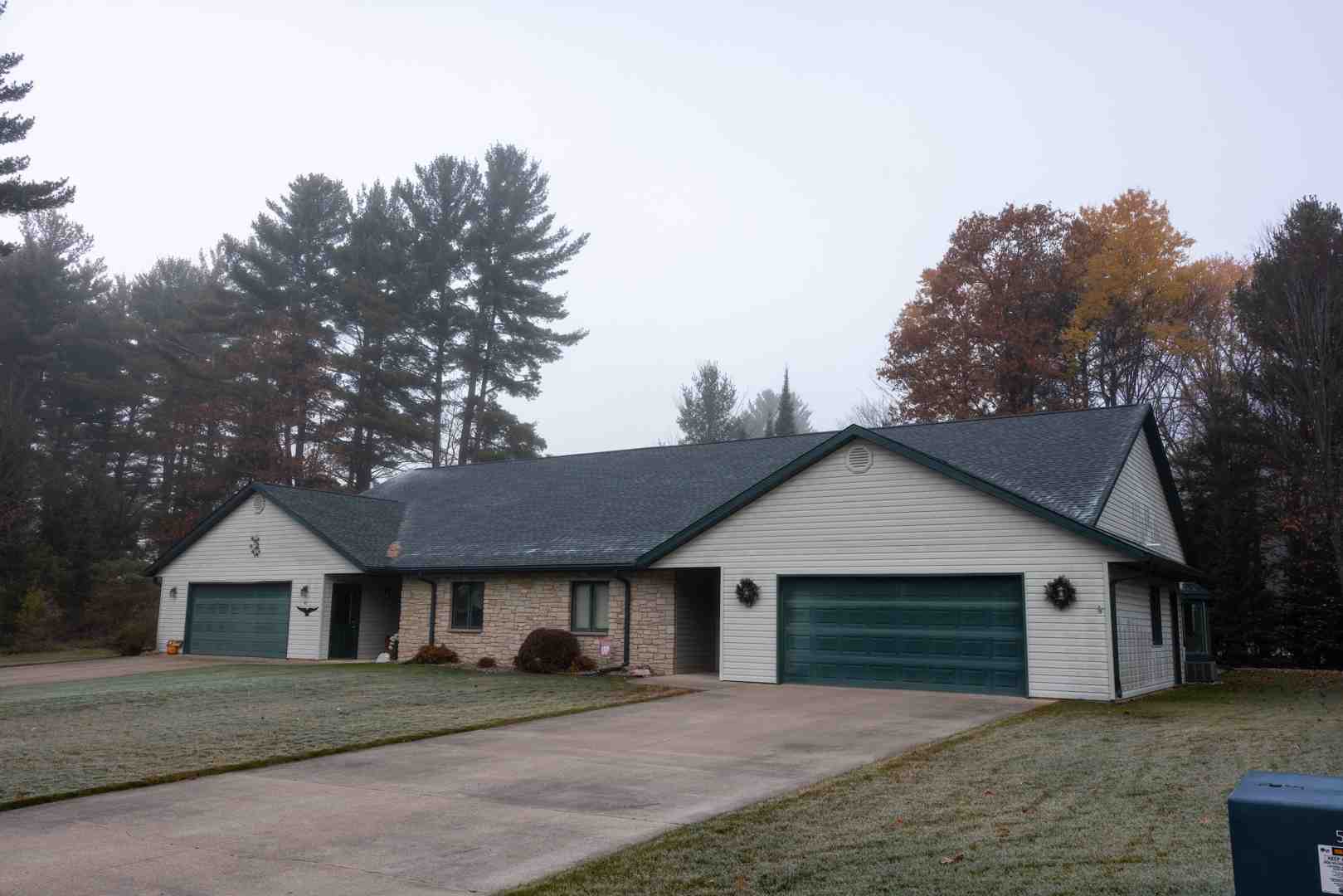
Eagle River Roofing installs seamless gutters and Alu-Rex guards across the Northwoods. Alu-Rex guards fit K-style, half-round, and box gutters.
A guard system can work well when the full drainage system is in good condition. That includes a secure gutter run, properly placed downspouts, and a roof edge that can move meltwater away from the home. We can review those basics while looking at guard options.
The right system depends on the roof edge, the condition of the fascia, local snow loads, and the debris around the home. During an estimate, we can look at those details and explain practical options for your home or cabin.
Frequently Asked Questions About Gutter Guards in Winter

Will snow and icicles still form on gutter guards?
Yes. Snow can rest on guards, and icicles can form during freeze-thaw weather. That alone does not mean the system is damaged.
Can guards help with pine needles?
They can help keep pine needles from building up inside the gutter, but the top surface may still need an occasional check before winter. For related guidance, see how to protect gutters from snow and when seamless gutter installation may be worth considering.
Can a gutter system pull loose under snow?
It can if the fascia is weak or the attachment is not suited to snow load. Firmly attached gutters and properly spaced hangers are important.
Eagle River Roofing is locally owned and operated by people who live here, built on more than 50 years of local experience. We install seamless gutters and Alu-Rex guards across the Northwoods, and we give you a clear, written quote.
Questions about gutter guards for your home or cabin? Call us at (715) 892-8328, Mon to Fri 8 to 5, for a free, no-pressure estimate.
This article is for general informational purposes only and may not reflect the most current products, pricing, codes, availability, weather-related recommendations, or roofing requirements for your specific property. Every home and roof is different, especially in the Northwoods. Please contact Eagle River Roofing directly for the latest information and guidance for your project.

