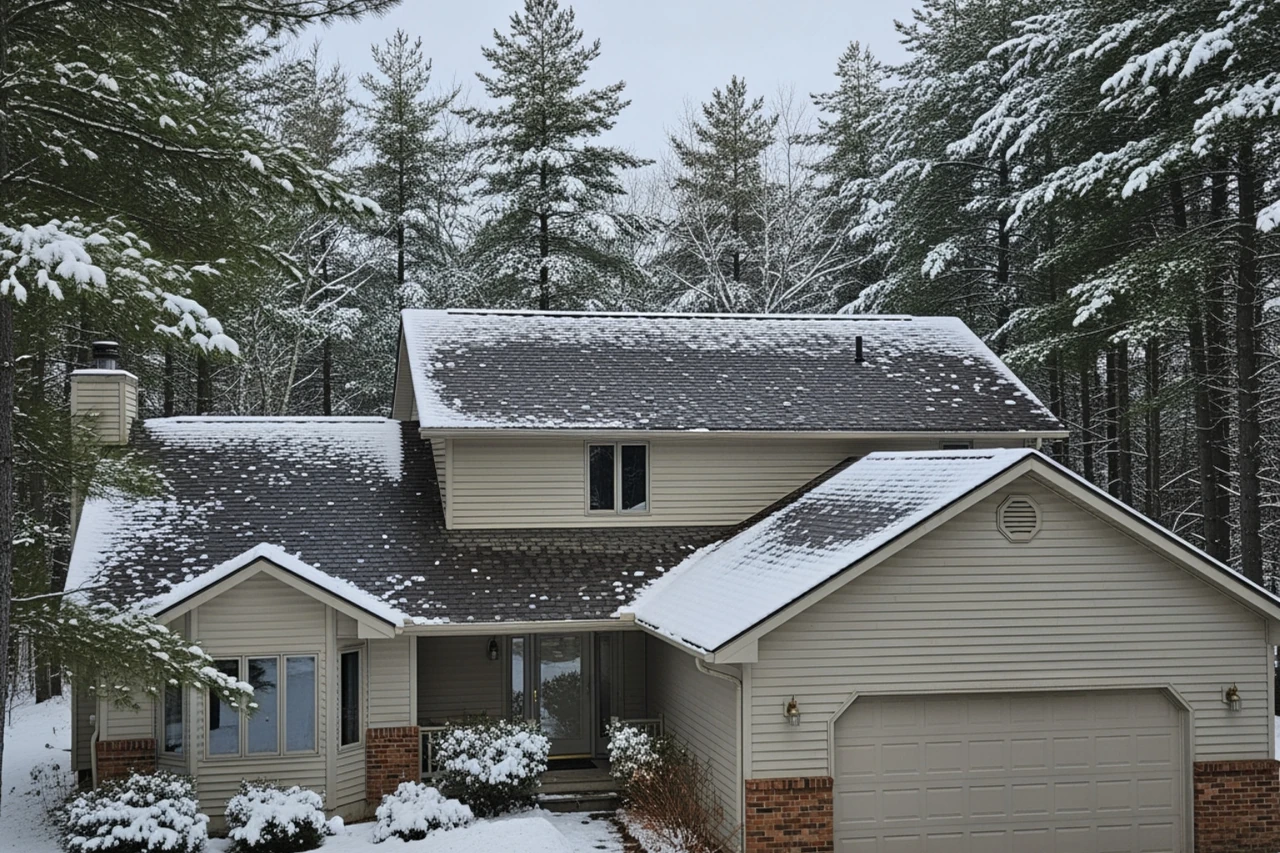
What Does Wisconsin Building Code Say About Multiple Shingle Layers?
When planning a roof project in Wisconsin, local and state building codes set clear legal boundaries on how many layers of roofing materials can be on your home.
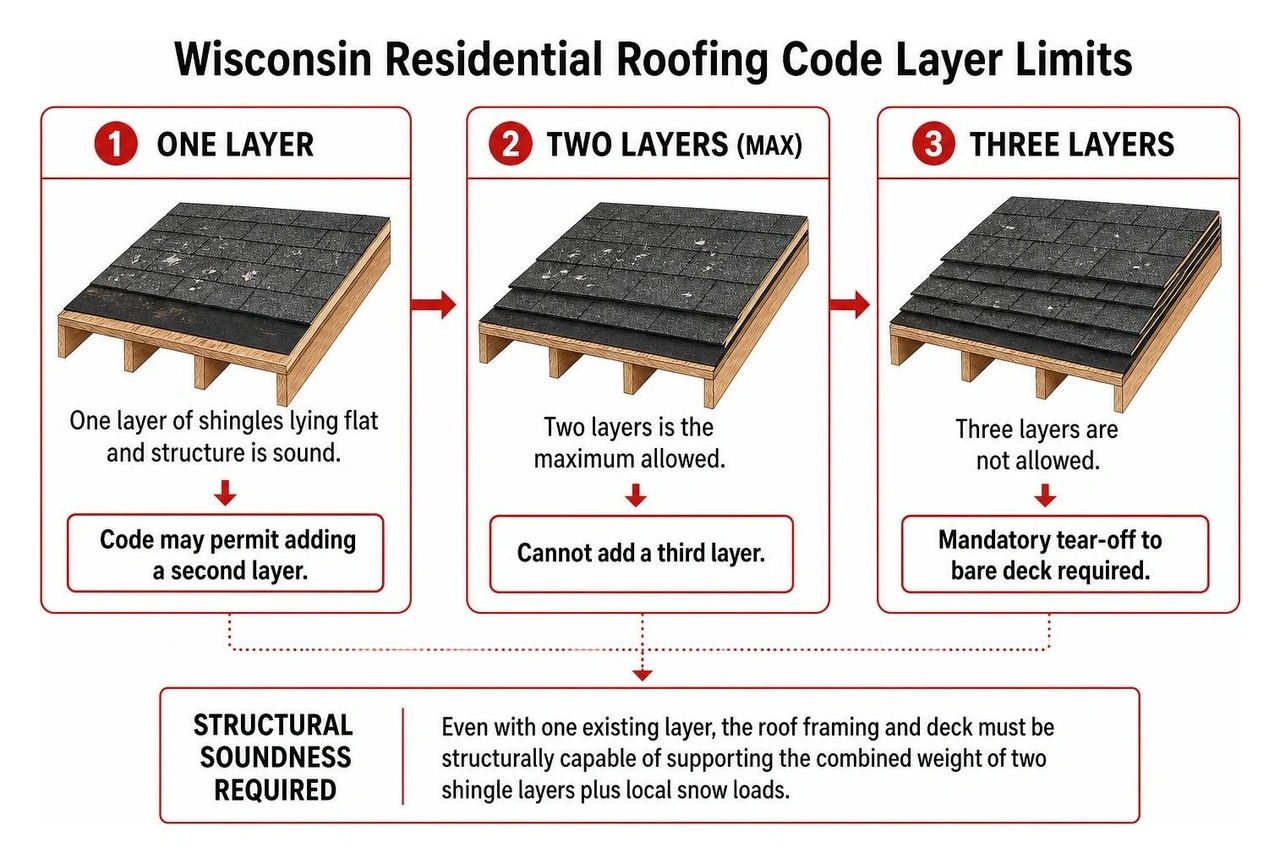
Under the Wisconsin Uniform Dwelling Code (UDC), as outlined in the Wisconsin administrative code standards for dwelling construction, residential roofs are generally limited to a maximum of two layers of asphalt shingles. If your home currently has one layer of shingles that is lying flat and the underlying structure is sound, state code may permit adding a second layer over it.
However, the code is very clear about the limits:
- Two layers maximum: Once a roof has two layers of shingles, building codes strictly prohibit adding a third layer.
- Mandatory tear-off for three layers: If two layers are already present, the entire roofing system must be torn off down to the bare wood roof deck before any new shingles are installed.
- Structural soundness required: Even if you only have one existing layer, code requires that the roof framing and deck be structurally capable of supporting the combined weight of both shingle layers plus local snow loads.
- Permitting and inspections: Many municipalities across Wisconsin require a building permit for roof replacements. A local building inspector may verify the number of existing layers and examine the condition of the eaves. Reviewing the regulatory context for Wisconsin roofing projects helps ensure your project satisfies municipal standards.
Because local enforcement can vary between towns across Vilas, Oneida, and Lincoln counties, working with a licensed roofing contractor helps confirm that your project follows all regional building codes and safety requirements before any materials are ordered.
What Are the Structural and Weather Risks of Layering Shingles in Wisconsin?
While the law may allow a second layer under specific conditions, Wisconsin's harsh northern climate makes layering shingles a risky choice for many homes. In communities like Eagle River, Rhinelander, Minocqua, and Three Lakes, roofs face intense seasonal stresses that warmer regions simply do not experience.
1. Heavy Snow Loads and Dead Weight
A standard square (100 square feet) of asphalt shingles weighs roughly 200 to 350 pounds. When you add a second layer of architectural shingles across an entire 2,000-square-foot roof, you add between 4,000 and 7,000 pounds of static dead weight to the roof framing.
During Northwoods winters, snow accumulation can easily add thousands of additional pounds of live load. This combined weight can lead to:
- Rafter and truss deflection (sagging roof lines)
- Stress cracking in interior drywall and ceiling plaster
- Long-term structural fatigue on older roof trusses
2. Inability to Install Ice and Water Barrier on the Wood Deck
Ice dams are a major winter hazard in northern Wisconsin. Modern building practices rely on self-adhering ice-and-water protection membranes applied directly to the bare wood roof sheathing along eaves, valleys, and around chimneys.
When you place new shingles over old ones, you cannot apply this protective membrane to the wood deck where it is most effective. Water backing up behind winter ice dams can slip between the shingle layers and find previous nail penetrations, leading to leaks inside your living space.
3. Trapped Heat and Premature Shingle Aging
Asphalt shingles need to release heat to remain stable. When you place a new layer directly over an old one, the bottom layer acts as an insulator, trapping summer heat between the shingles. This elevated temperature can bake the new asphalt shingles from below, accelerating granule loss, causing shingles to curl, and significantly reducing their operational lifespan.
If you are noticing curling, buckling, or sagging before making a decision, reviewing common roof replacement signs can help you determine whether your roof system is already past the point of a simple surface update.
Hidden Deck Rot and Moisture Problems
The single biggest danger of installing new shingles over old ones is that you cannot see what is happening underneath.
When a roofing crew tears off old materials, they expose every square foot of the wood roof deck. This allows carpenters to inspect the plywood or OSB sheathing for:
- Wood rot caused by minor, undetected leaks
- Soft, spongy spots where moisture has weakened the decking
- Delaminating plywood from poor attic ventilation
- Mold or mildew growth on the structural framing
When you skip the tear-off, you nail new shingles into wood that might already be decaying. Roofing nails cannot grip rotted decking securely, which leaves the new shingles vulnerable to blowing off during severe windstorms. Furthermore, if your old shingles are warped, curled, or uneven, the new shingles will mirror those bumps, creating small gaps where wind-driven rain and snow can enter.
How Does Adding a Second Layer Impact Warranties and Long-Term Costs?
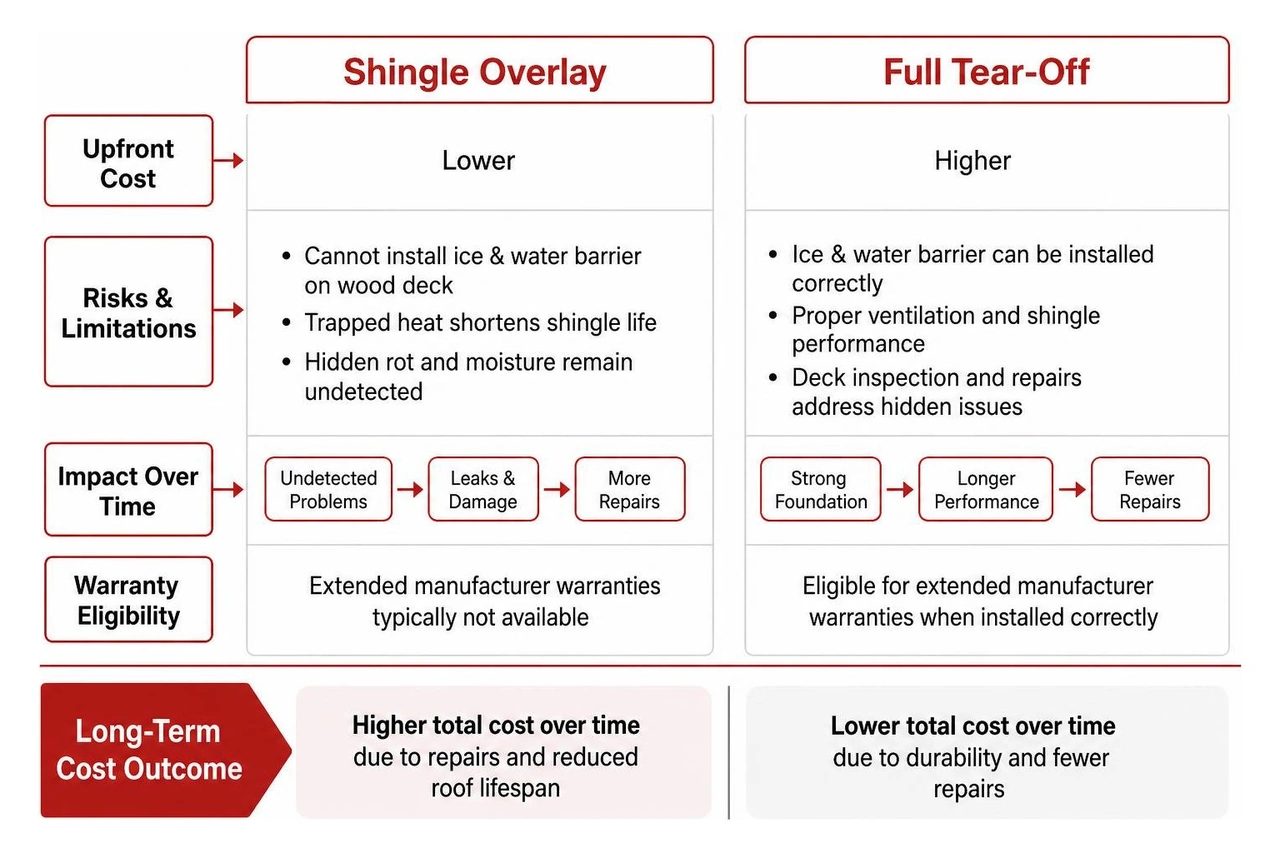
Homeowners often consider layering shingles because it saves on upfront labor and dumpster fees. However, when you look at the total lifecycle cost of the roof, those initial savings often disappear.
Manufacturer Warranty Restrictions
Leading shingle manufacturers design their warranty protections around complete, properly installed roofing systems. To understand what can jeopardize your protection, take a close look at what voids a roof warranty in Wisconsin.
For example, GAF requires shingles to be installed over a clean, smooth, approved deck with brand-matched underlayments and starter strips to qualify for extended warranty coverage, such as the GAF Golden Pledge Limited Warranty on qualifying projects. When shingles are installed over an existing layer:
- Extended system warranties are generally unavailable.
- Basic material defect warranties may be significantly restricted or shortened depending on product and registration.
- Wind coverage can be reduced because shingles cannot seal down as firmly on an uneven surface.
Shorter Roof Lifespan
A standard architectural shingle roof installed over a clean wood deck can last 25 to 30 years in northern Wisconsin. As detailed in our guide on how long an asphalt shingle roof lasts in Wisconsin, proper installation and attic ventilation are essential for longevity.
When installed over an existing shingle layer, increased thermal stress and uneven adhesion often reduce that expected lifespan by 20% to 40%. A roof designed to last 25 years might only last around 15 years before needing replacement.
Higher Future Removal Expenses
Layering shingles does not eliminate tear-off costs; it simply delays them and makes them more expensive later. When a two-layer roof eventually fails, the next roofing crew must tear off and dispose of twice as much heavy material, leading to noticeable increases in labor hours and landfill weight fees.
For detailed pricing expectations across our region, consult our Wisconsin asphalt shingle roof cost guide and confirm exact quotes during the estimate.
Home Inspection and Resale Challenges
If you plan to sell your home within the next 10 to 15 years, a layered roof can complicate the transaction. Home inspectors routinely identify multiple shingle layers and flag them on buyer reports. Prospective buyers often view a two-layer roof as an upcoming expense and may request substantial price concessions or replacement credits before closing.
What Are the Key Differences Between a Second Layer and a Full Tear-Off?
Understanding how each approach compares across key performance categories helps clarify why a clean start is the preferred standard for Northwoods homes.
| Feature / Factor | Second Shingle Layer | Full Tear-Off Replacement |
|---|---|---|
| Initial Labor Cost | Lower (skips initial strip-down) | Standard full-project labor |
| Deck Inspection | Blind (deck remains hidden) | 100% visible, damaged wood replaced |
| Ice & Water Barrier | Cannot adhere to bare wood deck | Directly bonded to eaves and valleys |
| Manufacturer Warranty | Limited or basic coverage only | Eligible for comprehensive warranties on qualifying projects |
| Expected Lifespan | 12 to 18 years on average | 25 to 30+ years with quality GAF shingles |
| Snow Load Safety | Adds heavy dead weight to rafters | Maintains proper structural design load |
| Future Replacement Cost | Higher (double tear-off fee later) | Standard single-layer removal fee |
| Curb Appeal & Flatness | Can show bumps and surface waves | Smooth, flat, and uniform appearance |
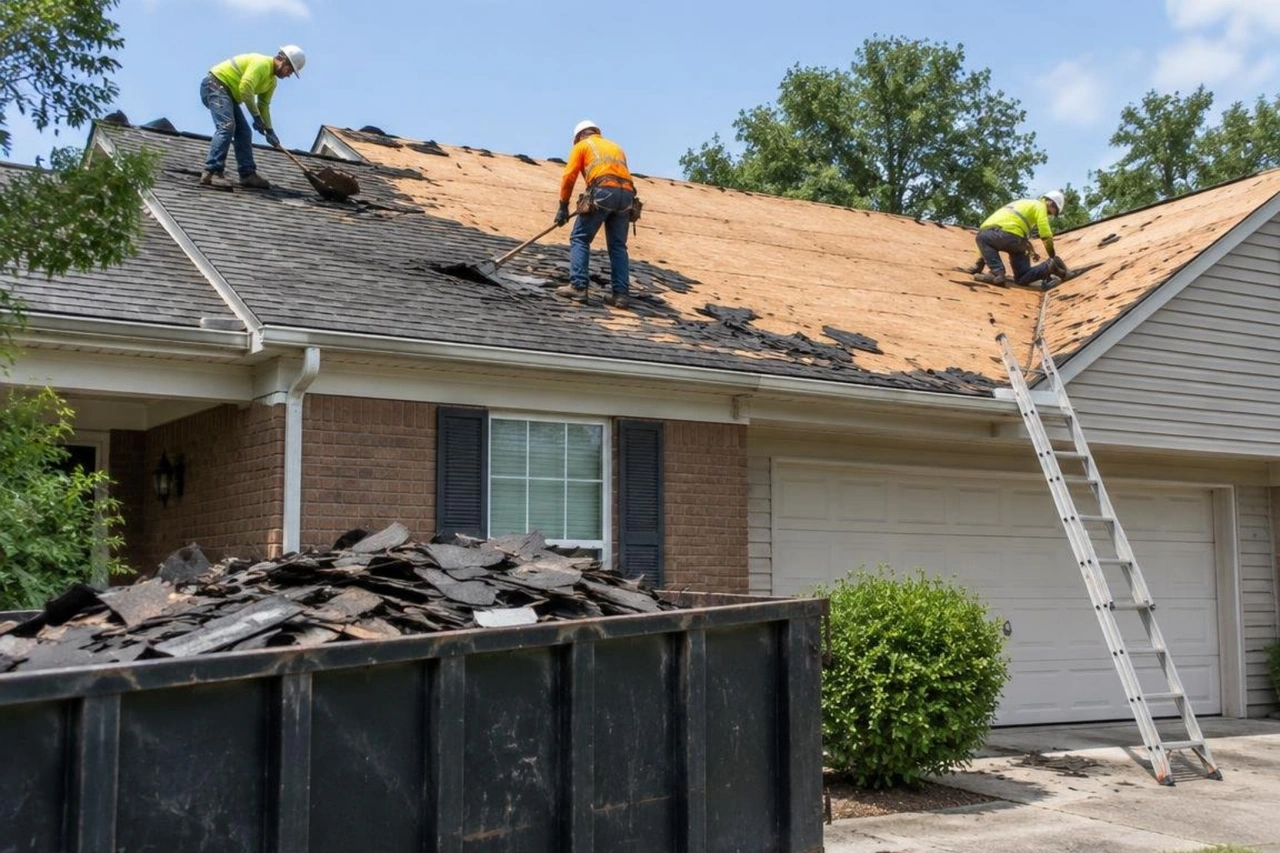
A proper tear-off involves carefully stripping the roof down to the wooden rafters and sheathing, replacing rotted plywood, installing high-performance synthetic felt, applying self-adhering ice-and-water barriers along eaves and valleys, and installing new flashing around chimneys and vents.
Before starting any project, using a roof inspection checklist helps identify active leaks, flashing failures, and deck soft spots. If you are uncertain about the current condition of your roof, learning whether your roof needs a repair or a full replacement is a helpful first step.
Rare Situations Where a Second Layer Might Be Considered
While a full tear-off is typically the better long-term choice in our climate, there are rare situations where adding a second layer could be considered:
- Strict short-term budget: A homeowner needs immediate weather protection to get through a couple of years before planning a comprehensive renovation.
- Single existing layer of 3-tab shingles: The current roof consists of a single layer of basic 3-tab shingles that lie completely flat with no curling, cupping, or missing pieces.
- Sound decking verified from the attic: A thorough attic inspection confirms that the roof sheathing has zero signs of water staining, mold, rot, or sagging.
- No history of leaks or ice dams: The roof has never leaked, and the home has adequate attic insulation and ventilation.
Even when these conditions are met, most roofing professionals in northern Wisconsin recommend a full tear-off to ensure your home remains protected against severe winter weather.
Frequently Asked Questions About Wisconsin Roofing Layers
How many layers of shingles are legally allowed on a roof in Wisconsin?
Under the Wisconsin Uniform Dwelling Code (UDC), residential homes are permitted a maximum of two layers of asphalt shingles, provided the roof framing can support the extra weight. If your roof already has two layers installed, state and local building codes require a complete tear-off down to the wooden roof deck before installing new roofing materials. Permit rules vary by municipality, so we recommend confirming local requirements with your building inspector during the estimate.
Does nailing new shingles over old ones void manufacturer warranties?
Installing new asphalt shingles over an existing layer can limit or void standard manufacturer warranties. Leading manufacturers like GAF generally require shingles to be fastened directly to a clean, smooth, properly prepared wood deck with approved underlayments to qualify for premium system warranty coverage on qualifying projects. Nailing over old, uneven shingles often restricts coverage for wind blow-offs and material defects depending on product and registration.
How much extra does it cost to remove two layers of shingles later?
Removing two layers of shingles during a future project increases labor time and disposal costs due to landfill weight fees. A double-layer removal noticeably increases the overall tear-off cost compared to a single-layer strip-down. This extra expense usually offsets any money saved by skipping the initial tear-off. We recommend confirming exact line items during the estimate.
How Should You Choose the Right Roofing Approach for Your Wisconsin Home?
Deciding between adding a second layer of shingles and investing in a complete roof replacement comes down to balancing immediate budget constraints against long-term peace of mind. In northern Wisconsin, where winter storms bring heavy snow, sub-zero temperatures, and ice dams, a roof installed over clean wood decking provides dependable protection.
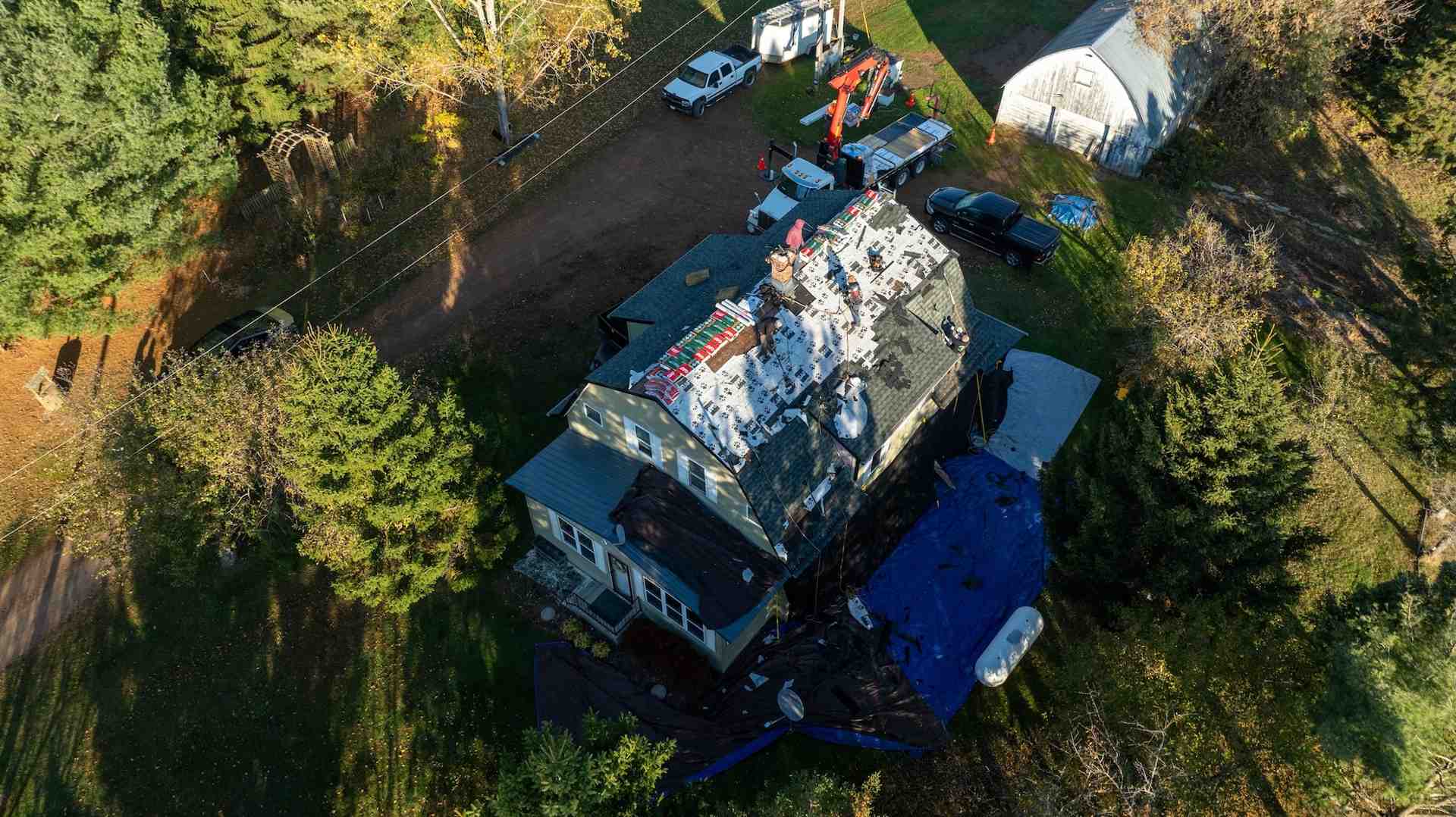
At Eagle River Roofing, we are locally owned and were founded in late 2023, built on a 50+ year legacy of local experience with over 9,000 roofs and 8 million feet of gutters installed across our communities. As a GAF Master Elite contractor, we hold our installations to high craftsmanship standards, maintain tidy job sites, and provide clear written quotes with no surprise charges.
For residential shingle projects, we exclusively install GAF asphalt shingles. We recommend GAF for our Northwoods climate because of their proven wind resistance, durable seal strips, and comprehensive warranty coverage when installed by a certified team on qualifying projects.
If you are planning a new roof installation in Northwoods WI or want an honest evaluation of your current shingle layers, our team is here to help. You can explore your options today by using the Eagle River Roofing instant estimate tool to get a clear, fast project estimate tailored to your home.
This article is for general informational purposes only and may not reflect the most current products, pricing, codes, availability, weather-related recommendations, or roofing requirements for your specific property. Every home and roof is different, especially in the Northwoods. Please contact Eagle River Roofing directly for the latest information and guidance for your project.

