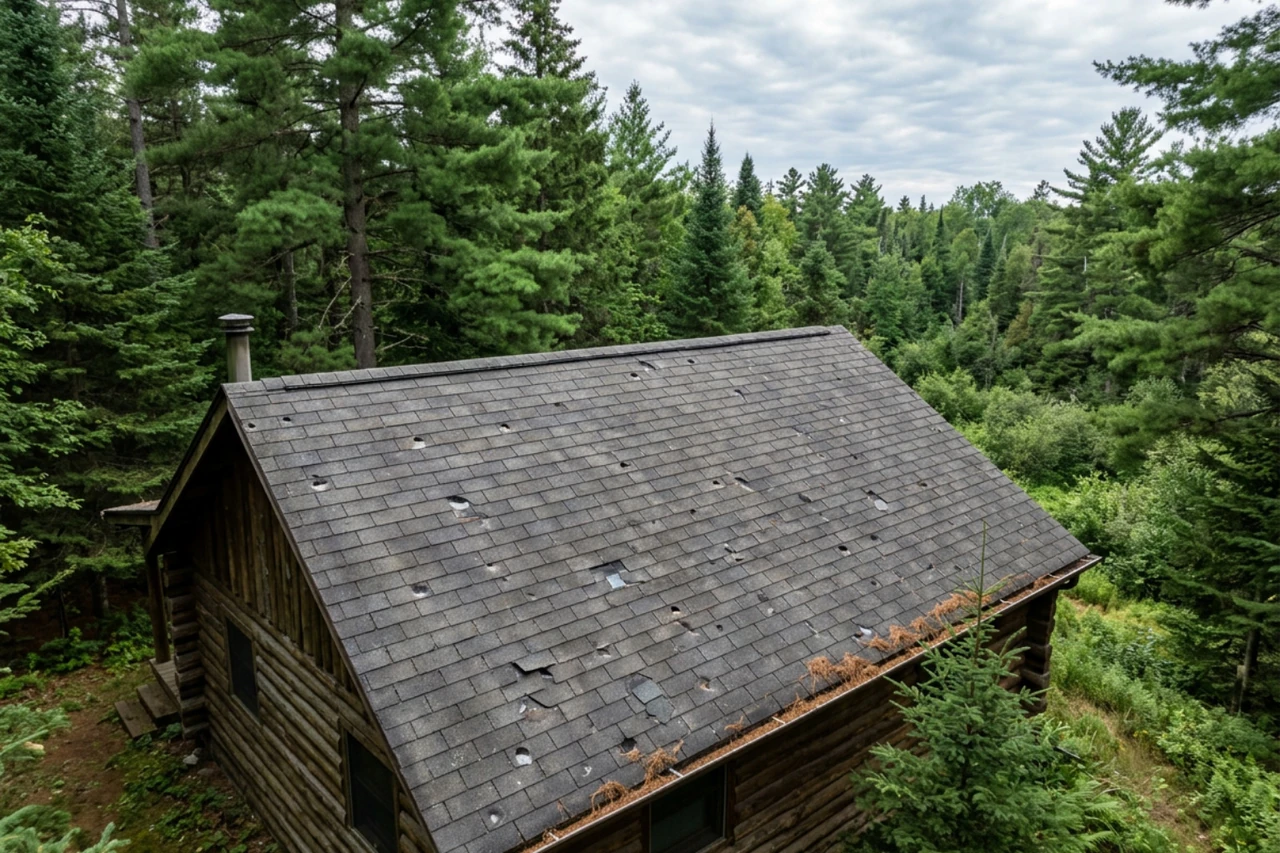
What Is the Average Cost to Replace a Cabin Roof in Northern Wisconsin?
When calculating what you can expect to pay for a new roof, cabin square footage is the baseline factor. A small 1,100-square-foot seasonal cabin requires far fewer materials and labor hours than a sprawling 3,000-square-foot lakefront property. However, cabin roof replacements involve a few distinct pricing layers that go beyond simple floor area measurements.
To help you build a realistic budget, here is a general breakdown of total project ranges based on cabin size and material choices in the Northwoods:
- Small Seasonal Cabins (1,000 to 1,200 sq ft): A straightforward, single-story 28x40 cabin generally costs between $6,000 and $10,000 for high-quality asphalt shingles. If you choose standing seam metal, that price typically ranges from $12,000 to $22,000.
- Medium-Sized Cabins & Year-Round Homes (1,800 to 2,200 sq ft): For standard two- to three-bedroom cabins, asphalt shingle replacements usually run between $10,000 and $18,000. A standing seam metal system on this size cabin usually ranges from $20,000 to $38,000.
- Large Custom Cabins, Chalets, & Estates (2,500 to 3,500+ sq ft): Multi-level cabins with complex rooflines, steep pitches, dormers, and attached garages often fall between $18,000 and $28,000 for asphalt shingles. For premium standing seam metal or heavy wood shakes, total costs can run from $28,000 to $48,000 or more.
If you are trying to estimate expenses for a medium structure, looking at the Cost of New Roof 1600 sq ft provides useful context on square footage calculations.
Where Does Your Money Go?
Written roofing estimates often split into four primary expense categories:
- Labor (40% to 60% of Total Cost): Northern Wisconsin roofing labor rates generally range from $2.50 to $5.00 per square foot. Roofing labor in the Northwoods requires skilled crew members who understand how to work safely on steep slopes and properly install severe-weather underlayments.
- Materials (30% to 50% of Total Cost): This covers your chosen roof covering (asphalt shingles or metal panels), synthetic underlayment, heavy ice and water shield, metal drip edge, ridge vents, valley metal, and starter strip.
- Tear-Off and Disposal ($1.00 to $2.50 per sq ft): Removing old shingle layers and hauling away heavy debris typically adds $1,000 to $3,000 to the total bill, depending on the weight and number of existing layers.
- Local Permits and Administrative Fees ($50 to $500): Permit rules vary by municipality across Vilas, Oneida, and Lincoln counties. On qualifying projects, local building permits can be coordinated directly so your installation remains compliant, and specific permit details should be confirmed during the estimate.
Understanding these baseline figures helps you compare regional proposals. For broader statewide context, you can review our guides on Average Roof Replacement Cost Wisconsin and What is the Average Roof Replacement Cost in Wisconsin for a Residential Home in the Northwoods Region.
Total Average Cabin Roof Replacement Costs by Size and Material
| Cabin Square Footage | Estimated Roof Area (Squares)* | GAF Architectural Shingles ($5.50 - $9.00 / sq ft) | Standing Seam Metal ($10.00 - $20.00+ / sq ft) |
|---|---|---|---|
| Small Cabin (1,000 - 1,200 sq ft) | 12 - 15 Squares | $6,000 - $10,000 | $12,000 - $22,000 |
| Medium Cabin (1,800 - 2,200 sq ft) | 20 - 25 Squares | $10,000 - $18,000 | $20,000 - $38,000 |
| Large Cabin / Chalet (2,500 - 3,500 sq ft) | 30 - 40+ Squares | $18,000 - $28,000 | $28,000 - $48,000+ |
*Note: One roofing "square" equals 100 square feet of roof surface. Roof area is larger than home floor square footage due to roof pitch and overhangs.
How Do Different Roofing Materials Impact Your Overall Project Budget?
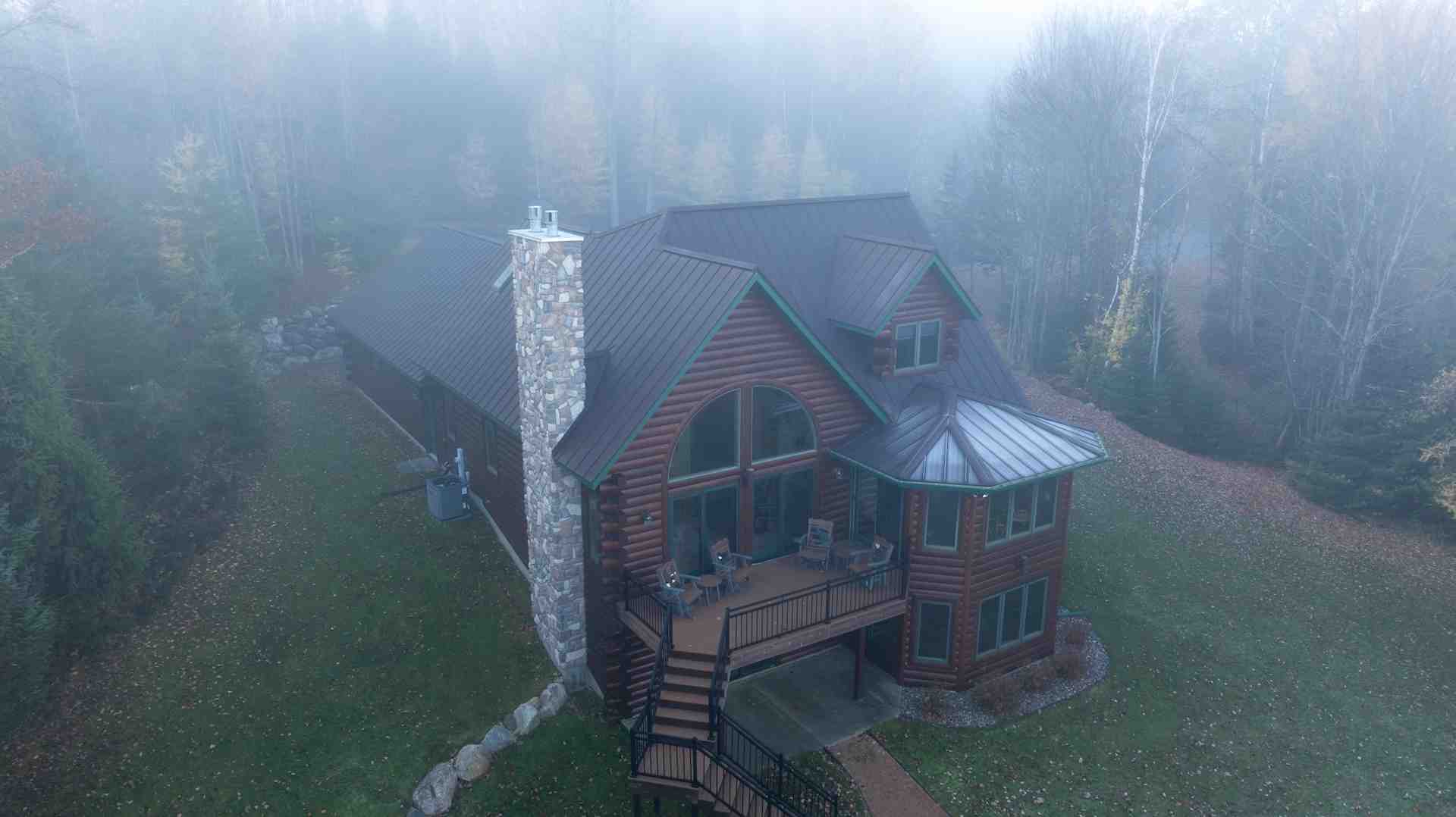
Material selection is often a major factor affecting your total project cost. While standard suburban homes often prioritize simple curb appeal, choosing cabin roofing materials in Northern Wisconsin requires balancing initial budget limitations with long-term weather performance. Evaluating a Metal Roof Cost vs Shingles Wisconsin comparison helps highlight these financial and practical differences.
GAF Architectural Asphalt Shingles
Architectural asphalt shingles (also called dimensional shingles) remain the primary choice for cabin owners across Eagle River, Minocqua, and Rhinelander. Installed costs typically range from $5.50 to $9.00 per square foot.
For residential shingle installations, we exclusively install GAF shingles because of their wind resistance ratings, advanced granule retention, and available manufacturer warranty options depending on the system. Architectural shingles feature multiple layered tabs that create a thick, textured appearance that complements rustic log or wood-sided cabins.
- Upfront Affordability: Shingles offer an accessible entry cost for a full roof replacement.
- Lifespan: A properly ventilated GAF shingle roof installed with quality underlayments often lasts 20 to 30 years in Northwoods climate conditions.
- Maintenance: Individual shingles can be repaired if a falling tree branch damages a section during a storm.
If you are leaning toward asphalt, check out our detailed Wisconsin Asphalt Shingle Roof Cost Guide for deeper insights into shingle grade options.
Standing Seam Metal Roofing
Standing seam metal roofs represent a higher upfront investment, ranging from $10.00 to $20.00+ per square foot installed. Total project costs for standard cabins usually run between $20,000 and $45,000+.
Standing seam metal features vertical metal panels with raised seams that interlock tightly, concealing the underlying mechanical fasteners. Positioned honestly, metal roofing is a high-performing long-term investment, but it is not necessary for every cabin owner's budget.
- Exceptional Snow Shedding: Heavy snow glides off smooth metal panels quickly, helping reduce structural roof strain during severe Northwoods winters.
- Concealed Fasteners: Unlike exposed-fastener corrugated metal sheets, standing seam keeps screws protected inside interlocking joints, significantly lessening leak risks.
- Long Lifespan: A quality standing seam roof can last 40 to 70 years with minimal upkeep, making it ideal for multi-generational family retreat cabins.
To explore standing seam panel profiles and color options, read our guide on choosing a Metal Cabin Roof.
What Unique Northwoods Factors Drive Up Cabin Roof Replacement Expenses?
Replacing a roof on a quiet lakefront cabin near St. Germain or Three Lakes involves very different logistics than working on a suburban home in a city subdivision. Factors unique to rustic cabins often introduce structural and access considerations that influence labor and delivery costs. For a comprehensive overview of regional considerations, consult our guide on Cabin Roof Replacement.
Roof Pitch and Architectural Complexity
Roof pitch refers to the steepness of your roof deck. A shallow roof pitch (like a 4:12 slope) is easy for installers to walk on. However, many Northwoods cabins feature dramatic chalet designs, high-pitched A-frames, or steep saltbox profiles designed to shed snow.
When a roof pitch reaches 8:12 or steeper, labor expenses can increase by 20% to 40%. Working on steep slopes requires specialized OSHA safety harnesses, roof jacks, scaffolding, and staging equipment. Crew members must work at a slower, deliberate pace for safety. Architectural features like open-rafter overhangs, dormers, skylights, complex valley intersections, and stone chimneys also require hand-crafted metal flashing details that take extra labor hours to seal properly.
Remote Location Fees and Cabin Access
Distance and site access directly influence job coordination in Northern Wisconsin:
- Travel Distances: Hauling material, dumpsters, and work crews from regional hubs like Eagle River or Rhinelander out to isolated forest acreage adds fuel and transit overhead.
- Difficult Access Roads: Cabins tucked down long, unpaved gravel tracks, low-hanging tree branches, or narrow dirt driveways can prevent full-sized tractor-trailers from delivering heavy material pallets directly to the building site. Materials often need to be offloaded onto smaller shuttle trucks.
- Limited Job Site Staging: Lakefront properties frequently feature steep drop-offs, dense timber, or delicate septic drain fields that limit where heavy delivery trucks or tear-off dumpsters can park.
Decking Repairs and Complete Tear-Off Requirements
We typically perform complete tear-offs down to the bare wooden roof deck on replacement projects rather than installing new roofing over old layers. Installing new shingles over existing layers can hide structural wood rot, trap moisture, accelerate granule wear, and affect manufacturer warranty protections.
During tear-offs, roughly 10% to 15% of cabin roof replacements reveal hidden structural decking damage. Unheated cabins or seasonal properties that suffer from winter ice dams often show softened, delaminated, or rotted plywood or OSB sheathing along the eaves and valleys. Replacing damaged roof decking sheets typically costs $50 to $80 per plywood sheet, which covers both materials and labor.
Because cabins are often surrounded by natural forest beds, pine needles, and crushed gravel driveways, debris cleanup requires meticulous care. We maintain tidy job sites throughout the project, running rolling magnetic sweeps over surrounding pine needles and driveways to clear stray roofing nails and help protect your vehicles and family members.
How Does Northern Wisconsin Weather Influence Installation Needs and Costs?
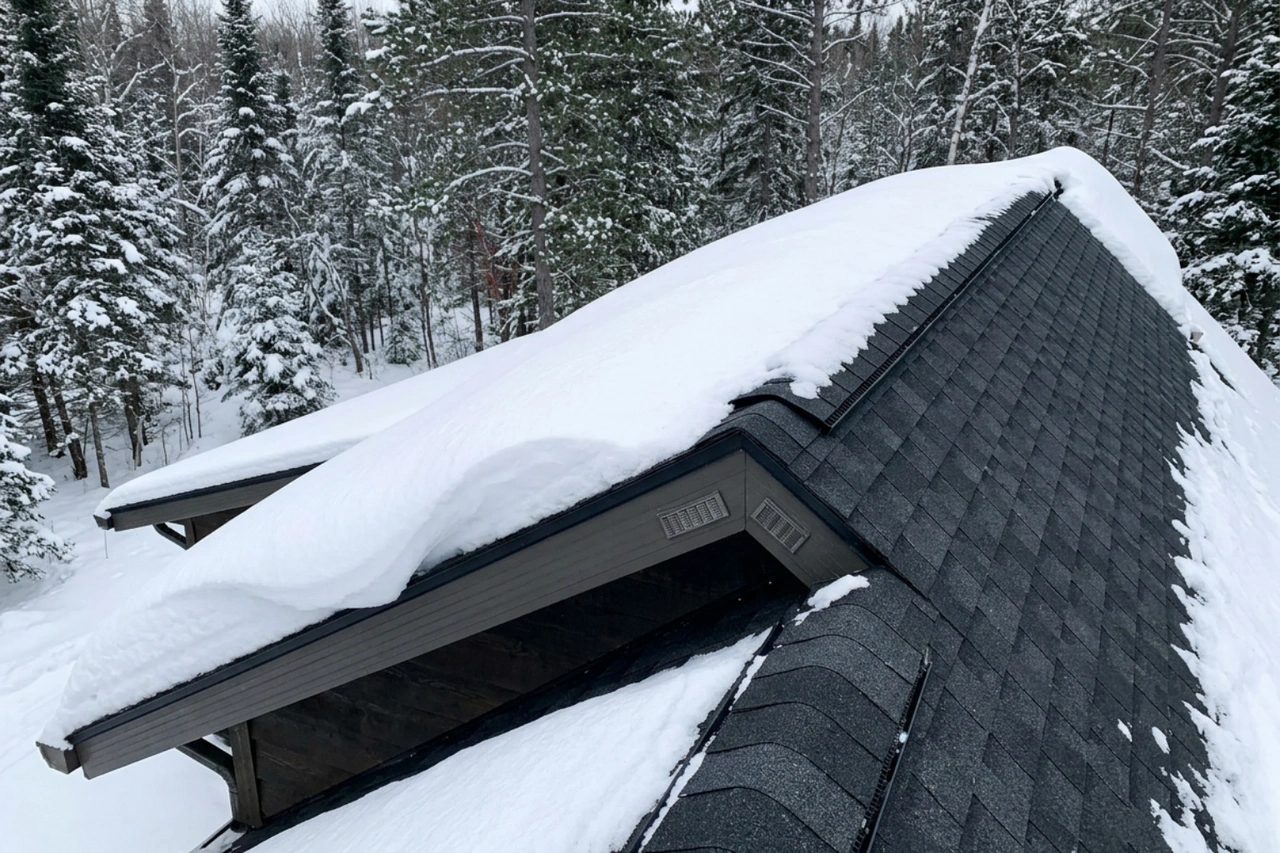
Northern Wisconsin climate patterns subject cabin roofs to aggressive seasonal stress: heavy winter snowpack, recurring freeze-thaw cycles, spring downpours, lake winds, and acidic pine needle accumulation. Building a resilient cabin roof requires specialized climate-ready components that add a modest amount to initial material costs, but help protect your cabin against long-term water damage.
For a deep dive into winterization techniques, review our Northern Wisconsin Cabin Roof Guide.
Premium Ice and Water Shield
Standard building codes in mild climates require ice and water shield (a self-adhering, rubberized waterproof membrane) to extend just 24 inches past the interior warm wall line. In the Northwoods, where heavy snow accumulates and melts repeatedly, that minimal coverage is rarely enough.
We install heavy-duty ice and water shield membranes along all roof eaves, valleys, sidewalls, chimney flashings, and roof penetrations. Adding extra membrane coverage adds a modest amount to your material estimate, but it creates a watertight barrier that guards against trapped meltwater if ice buildup backs up beneath shingles during spring thaws.
Balanced Attic Ventilation
Proper attic ventilation balances the temperature under your roof deck with the outside air, keeping your roof surface cool in winter. This helps slow premature snow melting at the ridge, which is a major contributor to ice dam formation.
Installing or upgrading continuous ridge vents and intake soffit vents typically costs between $500 and $1,500. Proper ventilation also allows trapped summer moisture and indoor humidity to escape, helping reduce mold growth on raw wooden rafters and extending total shingle life.
Integrating Seamless Gutters
When replacing a cabin roof, evaluating your gutter system is a natural next step. Snow sliding off a roof can easily dislodge lightweight standard sectional gutters. Upgrading to heavy-gauge aluminum seamless gutters with reinforced hidden hangers helps capture rain and snow melt, directing water safely away from log walls and crawlspace foundations.
How Can You Get an Accurate Estimate and Choose a Local Contractor?
Obtaining an accurate roofing quote requires an in-person, detailed inspection of your cabin structure. To help prepare for your consultation, you can request a Free Roof Estimate to begin reviewing potential options.
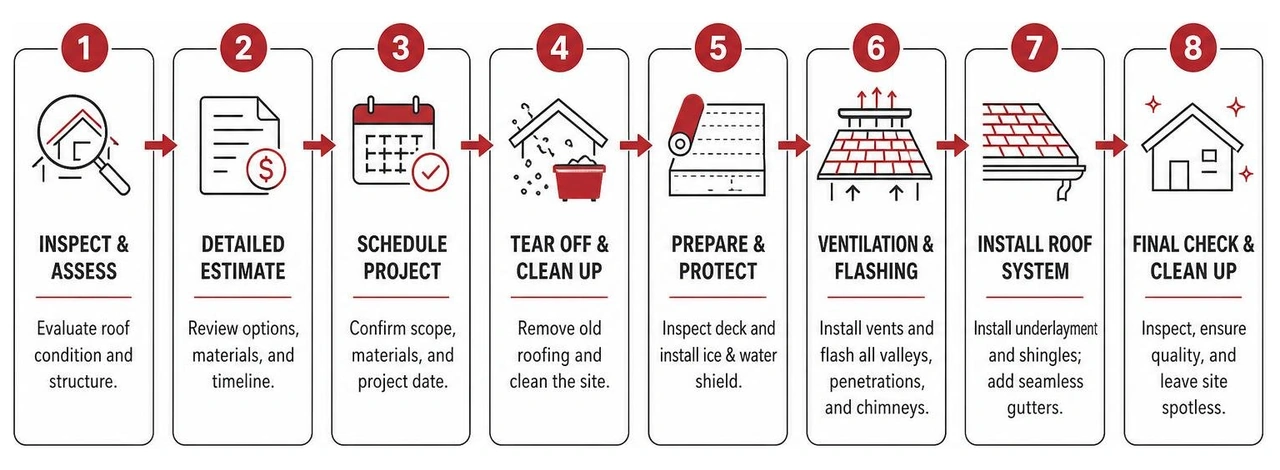
What to Look For in a Detailed Estimate
A comprehensive, professional estimate should be fully itemized so you know precisely what you are paying for. When reviewing contractor quotes, ensure the written contract explicitly details:
- Complete tear-off of existing roofing layers and ground cleanup.
- Specific material brands, shingle lines, metal panel gauges, and paint finish grades.
- Type and square footage of synthetic underlayments and ice and water shield membranes.
- Exact linear feet of new drip edge, flashing metals, and valley liners.
- Ventilation upgrades (soffit intake, ridge exhaust, or turtle vents).
- Decking replacement pricing per sheet if rotted wood is uncovered.
- Clear cleanup specifications, dumpster fees, and magnetic sweeps.
- Permit responsibility details (confirming permit details during the estimate).
For more detailed budgeting steps, read our Estimated Roof Replacement Cost Guide 2026 and review our guide on What Should Be Included in a Roofing Estimate.
Vetting Local Roofing Contractors
Working with an experienced local contractor helps ensure your crew understands how to build roofs that withstand Northwoods winters. When evaluating local businesses:
- Verify Local Credentials: Confirm the contractor carries active state licenses, general liability coverage, and worker's compensation insurance that covers steep-slope roofing work.
- Look for Certified Status: Choose installers certified directly by material manufacturers. As a GAF Master Elite contractor, our team undergoes ongoing factory training and can offer specialized manufacturer-backed warranty protections on qualifying projects.
- Ask About Local Experience: Inquire about their track record with remote access, snow load framing, and local township permit processes.
At Eagle River Roofing, our business was founded in late 2023, built on a 50+ year legacy of local hands-on experience in Northern Wisconsin. Our leadership and installation teams have completed over 9,000 roof replacements and installed over 8 million feet of seamless gutters across the Northwoods. We pride ourselves on clear written estimates, tidy job sites, and clear communication every step of the way. Learn more about our background on our Roofing Company Northwoods WI page.
Frequently Asked Questions About Cabin Roof Replacement in Northern Wisconsin
What are the main signs that a cabin roof needs a full replacement instead of a minor repair?
Minor leaks caused by a loose pipe boot seal or a single missing shingle can often be patched. However, a full roof replacement is usually recommended if you observe:
- Shingle Age: The existing asphalt roof is over 20 years old and nearing the end of its intended service life.
- Widespread Shingle Wear: Shingle tabs are curling, cracking, cupping, or losing large amounts of protective stone granules (often visible as heavy grey sand accumulating in gutter troughs).
- Interior Water Stains: Discoloration or moisture rings appearing on interior tongue-and-groove pine ceilings or upper wall corners.
- Decking Sag: Visible dipping or sagging along roof lines or rafter spans, indicating structural moisture weakness beneath the surface.
Explore additional warning indicators in our guide to common Roof Replacement Signs.
How long does it typically take to replace a roof on a cabin in the Northwoods?
Most standard cabin roof replacements often take between 1 and 3 days to complete once work begins, depending on the system, cabin square footage, pitch steepness, weather conditions, driveway access, and decking needs, which can be confirmed during the estimate.
Our crews focus on completing tear-offs and securing waterproof underlayment quickly so your cabin is not left exposed to sudden rain storms. Learn more about project scheduling in our guide on How Long Does It Take to Replace a Roof in Northern Wisconsin.
Does replacing a cabin roof increase overall property value and return on investment?
Yes. According to regional real estate remodeling cost reports, a new residential roof replacement typically recovers 50% to 60% of its initial cost in immediate appraisal resale value. Beyond direct dollar returns, a clean, structurally sound new roof adds value to overall property estimation, enhances rustic curb appeal, lowers building insurance risks, and offers prospective buyers peace of mind that the interior pine structure is better protected against severe weather.
Protect Your Northwoods Cabin with Confidence
Replacing a roof on a cabin in Northern Wisconsin is one of the most important investments you will make to protect your property against regional winter weather. While total project costs generally range between $8,000 and $25,000 for asphalt shingles and $20,000 to $48,000+ for standing seam metal, taking time to understand your cabin's square footage, roof pitch, material options, and ventilation needs ensures you get lasting value out of every dollar spent.
Choosing high-quality materials like GAF architectural shingles or standing seam metal, paired with thorough ice shield underlayment and balanced attic ventilation, gives you confidence that your cabin will stay dry through heavy winter snows, spring thaws, and summer storms.
If you are ready to evaluate your cabin roof, contact our local team at Eagle River Roofing. We will walk your property, inspect your decking and ventilation, and provide a clear, itemized written proposal with no pressure. Explore our full range of services on our New Roof Installation Northwoods WI page or reach out today to schedule your consultation.
This article is for general informational purposes only and may not reflect the most current products, pricing, codes, availability, weather-related recommendations, or roofing requirements for your specific property. Every home and roof is different, especially in the Northwoods. Please contact Eagle River Roofing directly for the latest information and guidance for your project.

