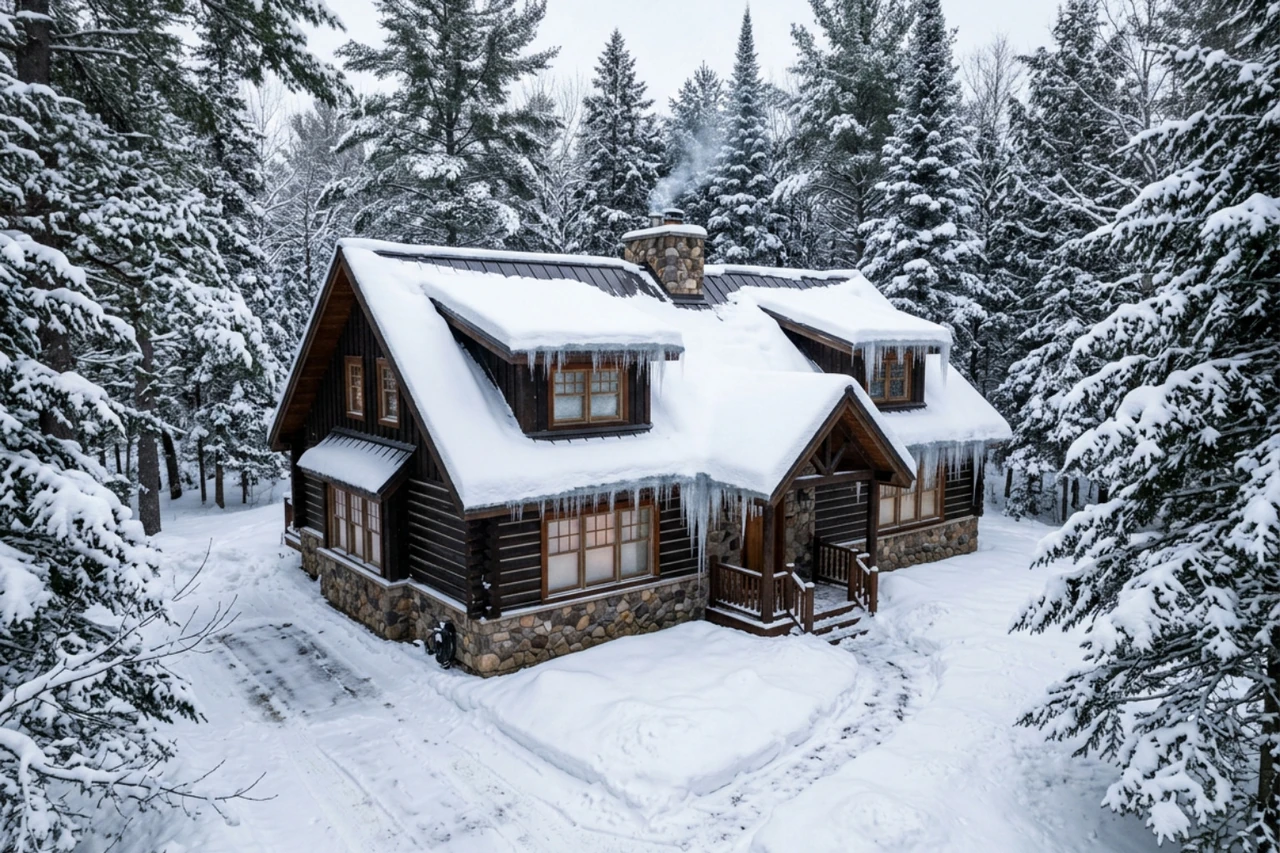
Why Upper Peninsula Roofing Requires a Different Approach
Upper Peninsula roofing is one of the most demanding challenges a property owner in the region will face, and for good reason. The UP and the surrounding Northwoods see average annual snowfall that can top 200 inches in some areas, paired with freeze-thaw cycles, lake-effect storms, and temperature swings that can span 80 to 100 degrees Fahrenheit between summer and winter.
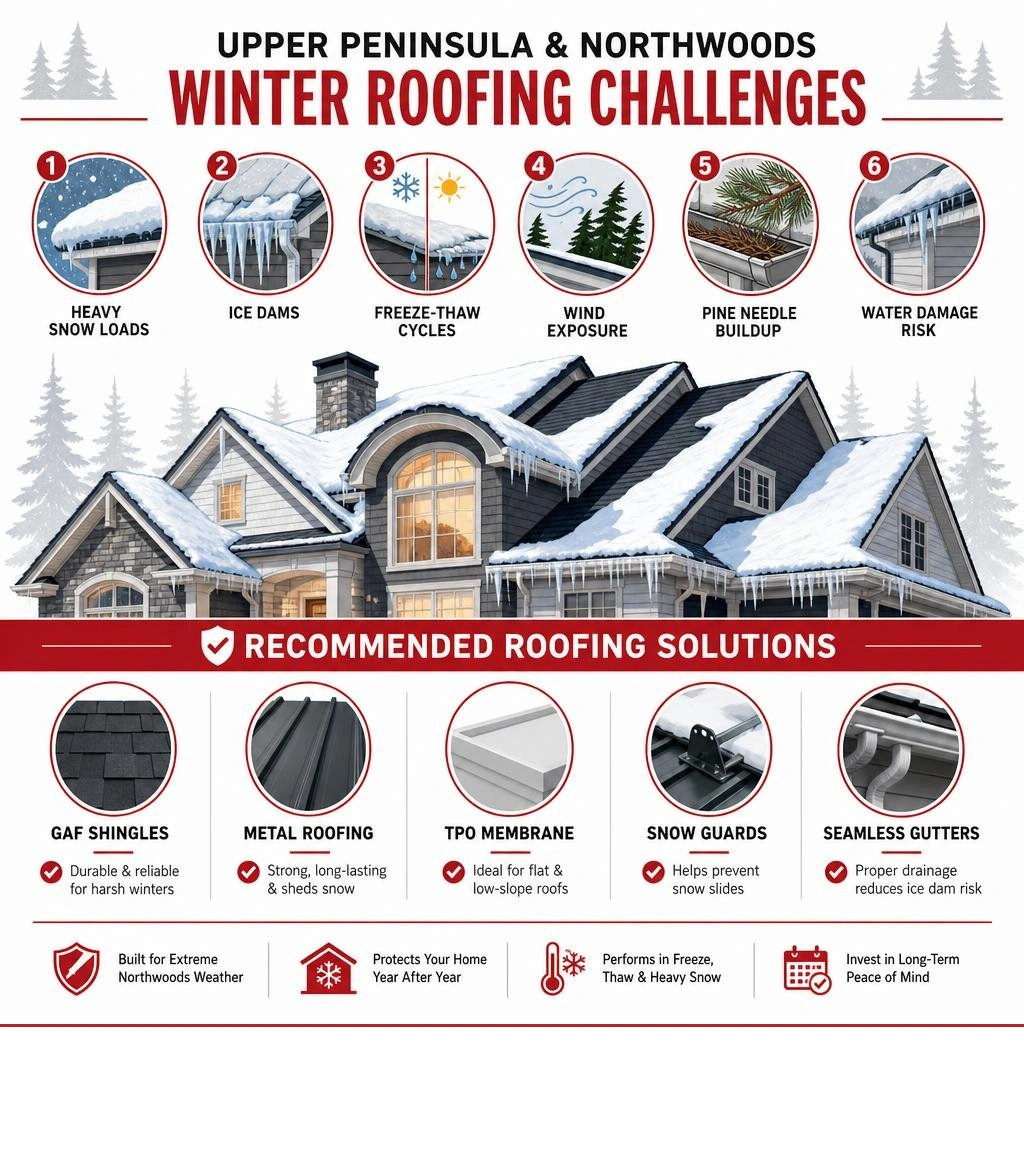
If you're looking for a quick answer on what works well up here, here's a practical starting point:
- Asphalt shingles (GAF) - Reliable, cost-effective, and widely used for residential homes
- Standing seam metal roofing - Strong performance under heavy snow loads with fewer penetrations to leak
- TPO flat membrane - The go-to for commercial buildings and low-slope roofs
- Snow retention systems - Help manage sliding snow safely on metal and steep-slope roofs
- Seamless gutters with proper ventilation - Key to reducing ice dam risk each winter
No single material is right for every building or every budget, but understanding how the local climate affects each option is a practical place to start.
The Northwoods climate is not just cold, it's relentless. Heavy snow piles up fast, ice dams form along eaves when heat escapes through the attic, and spring thaws can push water into any weak point in a roof system. Pine needles clog gutters, lake winds put extra stress on shingles and flashing, and the constant cycle of freezing and thawing works on roofing materials in ways that milder climates simply don't produce.
Getting the right materials and the right installation makes a real difference in how long your roof holds up through all of it.
I'm Tyler Blair, owner of Eagle River Roofing (founded in late 2023), and our team serves Northwoods communities like Eagle River, Rhinelander, and Minocqua with roof replacements, repairs, and seamless gutters built for these conditions. With over 9,000 roofs and 8 million feet of gutters behind our ownership team's combined career track record, upper peninsula roofing is something we understand from the ground up.
Basic upper peninsula roofing vocab:
- roof replacement rhinelander wi
- new roof installation northwoods wi
- storm damaged roof
Unique Challenges of Northwoods Roofing
Roofing in the Upper Peninsula and the northern Wisconsin border country is different from roofing in other parts of the Midwest. The weather patterns here are heavily influenced by Lake Superior and Lake Michigan, which create localized microclimates. These microclimates can drop feet of heavy, wet lake-effect snow in a single afternoon.
When you combine that volume of snow with extreme temperature swings, you get a perfect recipe for structural strain and water damage. In the spring, the snowpack begins to melt from the bottom up, creating pools of water that can get backed up behind ridges of ice at the roof edge.
To learn more about how these factors interact, you can read our detailed guide on What is the Best Roof for Snow and Ice Dams in Wisconsin. Understanding these mechanics helps us design roofing systems that can handle the heavy physical loads and thermal movement that occur every single year.
Snow Loads and Building Codes
One of the first things we look at when evaluating a roof in the Northwoods or the UP border area is the structural load capacity. Ground snow load values in the Upper Peninsula range from 50 pounds per square foot (psf) in southern counties to 80 or even 100 psf in northern areas like Houghton and Keweenaw counties. In border communities like Ironwood, Bessemer, and Iron Mountain, roofs must be built to withstand these intense loads without sagging or structural failure.
Because of this, local building codes are very specific. The International Residential Code (IRC) requires a robust ice barrier underlayment that extends at least 24 inches inside the exterior wall line. This underlayment is a self-adhering, waterproof membrane designed to keep water from seeping into your home when ice dams back up.
Permit rules vary by municipality, so what is required in Iron River or Watersmeet might look slightly different from the rules in Eagle River or Three Lakes. A professional contractor typically verifies these local requirements before starting work to help ensure your roof is compliant.
Common Winter Roofing Problems
Over our team's years of working in the Northwoods, we have seen the same winter roofing issues pop up often:
- Attic Frost and Condensation: When warm, humid air from your living space escapes into a poorly ventilated attic, it hits the cold underside of your roof deck and freezes. During a winter thaw, this frost melts all at once, mimicking a roof leak.
- Flashing Leaks: Flashing is the metal trim installed around chimneys, dormers, and valleys. The constant expansion and contraction from temperature swings can pull flashing away from the roof, allowing melting snow to find a way inside.
- Pine Needle Buildup: The beautiful pine trees that surround our homes drop needles that collect in valleys and gutters. This debris traps moisture against the shingles and accelerates rot.
- Spring Thaws: When temperatures rise during the day and drop below freezing at night, the resulting freeze-thaw cycle can split shingles and tear apart weak gutter seams.
Roofing Materials for Harsh Northern Winters
Choosing the right material for your roof is a balance between performance, aesthetics, and budget. The three most common systems we install and repair in the Northwoods are GAF asphalt shingles, standing seam metal, and low-slope flat roofing systems.
For a deeper dive into metal options, check out our Metal Roofing Wisconsin Guide.
To help you compare your options, we have put together a quick breakdown of how these materials perform under typical winter conditions:
| Roofing Material | Expected Lifespan | Snow Shedding Ability | Ice Dam Resistance | Relative Cost |
|---|---|---|---|---|
| GAF Asphalt Shingles | 25 to 50 years (depending on system) | Moderate (holds snow in place) | Excellent (when paired with ice barrier) | Budget-Friendly |
| Standing Seam Metal | 40 to 70 years | High (sheds snow quickly) | High (fewer seams for water to enter) | Premium Investment |
| TPO Commercial Flat | 15 to 30 years | Low (requires manual clearing) | High (fully sealed membrane) | Moderate to High |
Residential Roofing Solutions
For residential properties, we recommend GAF asphalt shingles, which offer strong overall value and protection. GAF shingles are engineered to withstand high winds and heavy snow loads, and they can come with strong manufacturer warranties on qualifying projects when installed by a certified contractor.
We recommend GAF shingles for residential roof replacements because of their strong adhesive seals and consistent performance in cold-weather installations. It is also important to note that we only perform complete tear-offs down to the wood decking. We never install new shingles over old ones because layering them traps moisture, hides underlying wood rot, and adds unnecessary weight to a roof that already has to carry heavy winter snow.
If you are interested in a premium, long-term solution, standing seam metal roofing is an excellent choice. Metal roofs use hidden fasteners, meaning the screws are protected from the elements under the metal panels. This design minimizes the risk of leaks caused by backing out screws.
To learn more about who handles these installations in our region, see our guide on Who Installs Metal Roofs in the Northwoods Northern Wisconsin.
Commercial Flat Roofing Systems
Commercial buildings, multi-family complexes, and low-slope residential additions require a different approach. For these structures, thermoplastic polyolefin (TPO) is the industry standard. TPO is a single-ply reflective membrane that is either mechanically fastened or fully adhered with specialized adhesives.
We choose TPO because it is highly resistant to tears, punctures, and wind uplift. Its heat-welded seams form a physical bond that is incredibly strong, keeping water out even when snow sits on the flat surface for months at a time.
For properties like apartments or retail spaces, flat roofing systems like TPO or PVC can also be paired with high-value insulation to lower heating bills during our long winters. You can read more about these commercial options in our Commercial Roofing Wisconsin Guide.
Protecting Your Roof and Installation
A great roof is more than just shingles or metal panels. It is a complete system that includes ventilation, underlayment, gutters, and snow management tools. Protecting your roof means planning for how it will behave when the snow starts to fall.
How Snow Retention Systems Work
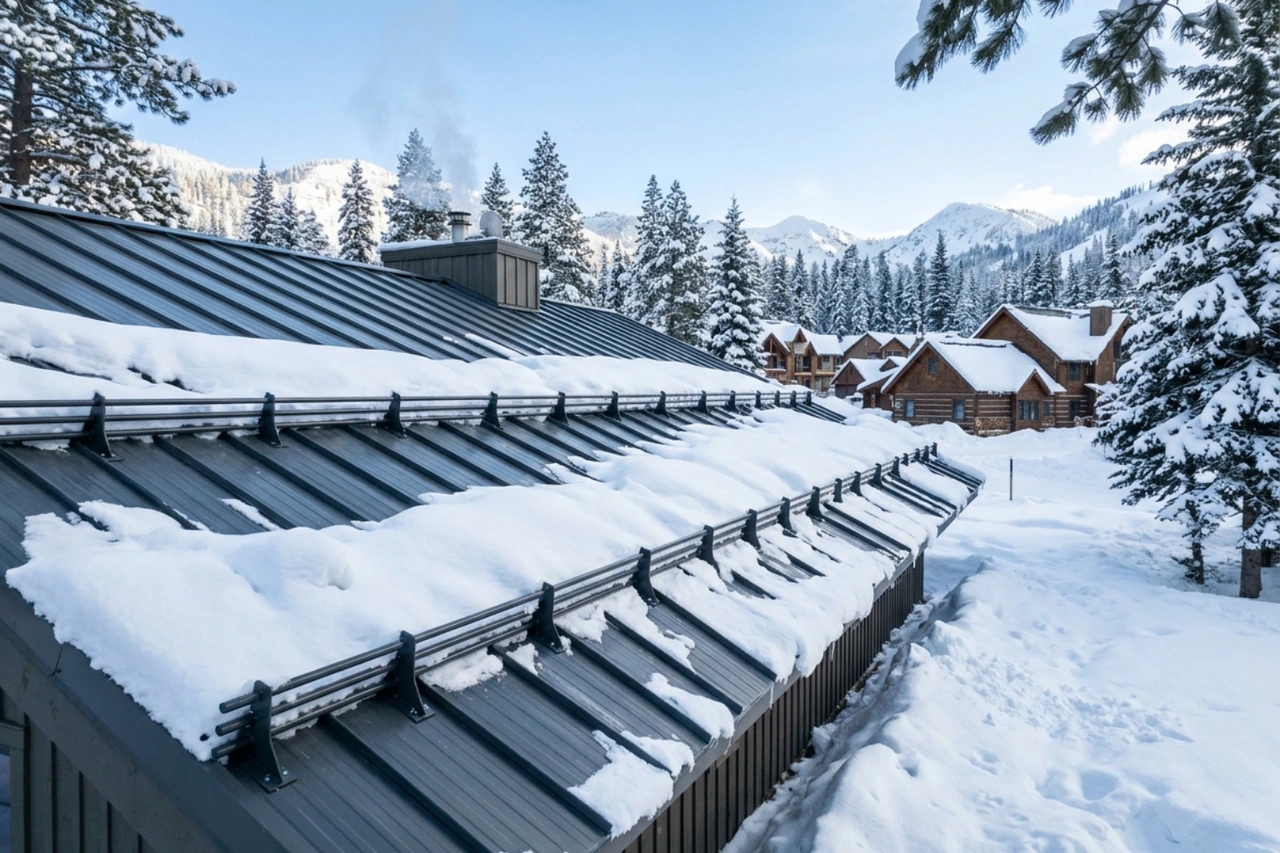
If you choose a metal roof, you should think about how snow will slide off it. Metal roofs are naturally slippery, and during a mild winter day, hundreds of pounds of snow can slide off all at once. This is called a "snow avalanche," and it can easily tear down gutters, damage lower roofs, or injure anyone standing below the eaves.
0Snow retention systems, like snow guards or color-matched snow rails, are designed to hold the snowpack in place. This allows the snow to melt slowly and drain off the roof in a controlled manner.
Some modern systems use a liquid waterproofing base coat combined with an abrasive aggregate to create a textured surface on the metal. This texture holds the snow while allowing melted water to flow through a tiny air space beneath the snowpack, keeping your property safe and your gutters intact.
Gutter Maintenance and Ice Dam Prevention
Your gutters are your roof's primary defense against water damage, but they can easily become a liability in the winter if they are not properly maintained. When snow melts on your roof and runs down to the cold gutters, it refreezes, forming ice dams.
To prevent this, we recommend:
- Seamless Gutters: Traditional gutters have seams that can split under the weight of ice. Seamless gutters are extruded from a single piece of aluminum on-site, making them much stronger.
- Gutter Guards: High-quality gutter guards can help keep major debris out, helping to ensure that melting snow has a clear path to drain.
- Balanced Ventilation: An effective way to help mitigate ice dams is to keep your roof deck at a similar temperature to the outside air. This is often achieved by balancing intake vents at the soffits with exhaust vents at the ridge.
Understanding Project Timelines and Permits
A roof replacement is a major project, but a well-organized crew can often complete most residential homes in just one to two days, depending on the system and the complexity of the structure.
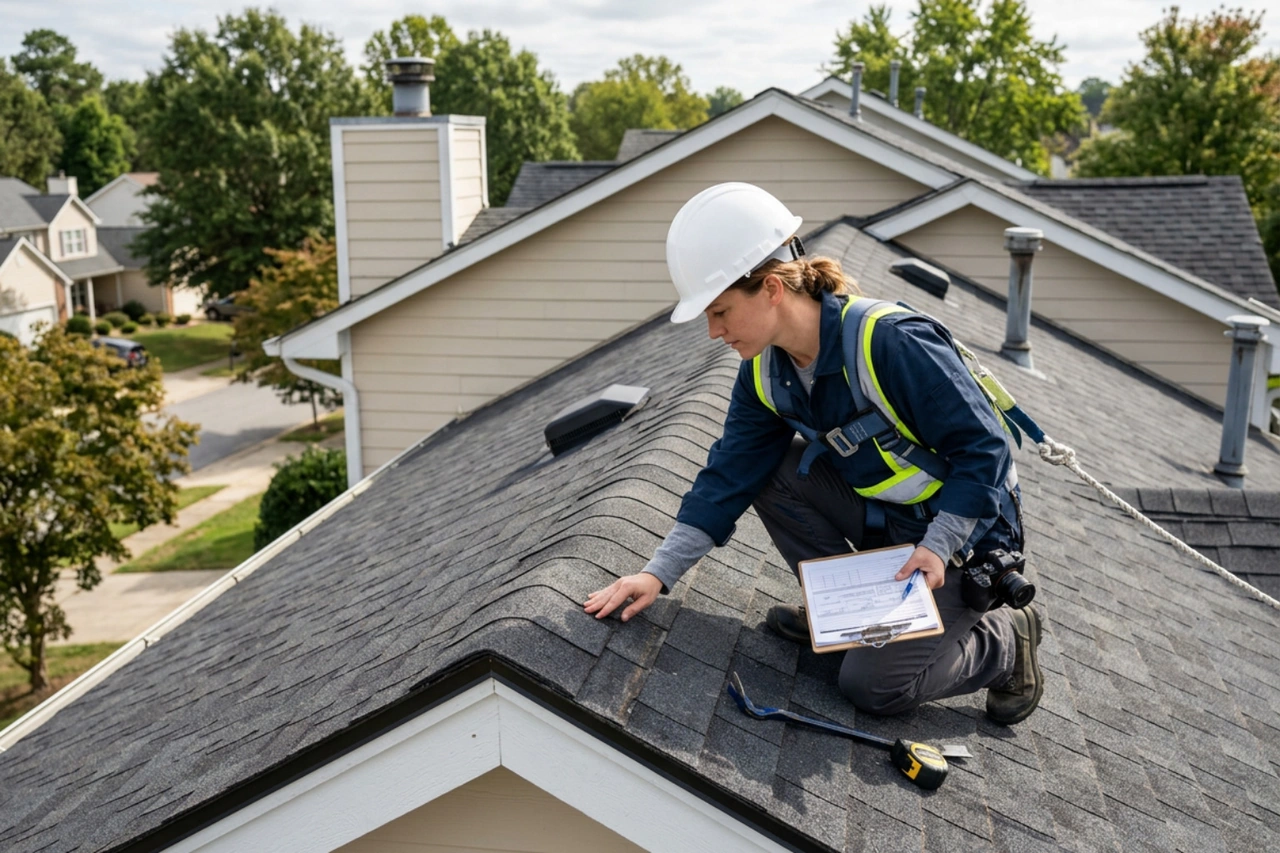
The process typically follows a clear path:
- Preparation and Protection: We protect your landscaping, decks, and siding before any work begins.
- Tear-Off: We remove all old shingles and underlayment down to the bare wood deck.
- Deck Inspection: We inspect the wood deck for rot or sagging and replace any damaged boards.
- Installation: We install the ice barrier, underlayment, starter shingles, GAF shingles, flashing, and ridge vents.
- Cleanup: We perform a meticulous cleanup, using magnetic sweeps to collect loose nails from your yard and driveway.
Permit rules vary by municipality, and weather delays are always a possibility in the Northwoods. We typically confirm the expected timeline and permit requirements during your written estimate.
Financing and Warranty Options
We understand that a new roof is a significant investment. To help make the process more manageable, we can connect you with flexible financing options through local lenders, including competitive terms for qualified buyers.
Because we hold GAF Master Elite status, we can offer strong warranties on qualifying projects. These warranties can cover both materials and workmanship, depending on the system, specific product, and registration. Having a warranty backed by a major manufacturer gives you peace of mind, knowing that your investment is protected for decades to come.
Frequently Asked Questions
Here are some of the most common questions we hear from homeowners in our service areas, including Eagle River, Rhinelander, Minocqua, St. Germain, and Three Lakes.
How long does a typical roof replacement take?
For a standard residential home, a crew can often complete the entire tear-off and replacement in one to two days, depending on the system. Larger homes with steep slopes, multiple valleys, or historic details may take longer. We closely monitor local weather conditions to help ensure your home is not left exposed to rain or snow. We can provide a timeline estimate during your consultation.
Will homeowner insurance cover snow or hail damage?
If your roof has been damaged by a sudden storm, high winds, hail, or a heavy snow collapse, your homeowner's insurance policy may cover the cost of repair or replacement. We recommend contacting your insurance provider to schedule an adjuster inspection. Our team can provide clear, detailed written quotes and documentation to support your claim throughout the process.
What is an effective way to help mitigate ice dams?
An effective way to help mitigate ice dams is to address the root cause: warm air escaping into your attic. Ensuring your home has adequate attic insulation and balanced ventilation helps keep the roof deck cold, reducing the likelihood of snow melting prematurely. Pairing this with a high-quality ice barrier underlayment along the eaves provides strong protection for your home.
Conclusion
Your roof is the single most important barrier protecting your home from the harsh winters of the Upper Peninsula and the Northwoods. Whether you are dealing with heavy snow loads, ice dams, or simply an aging roof, choosing the right materials and an experienced local contractor is key to a long-lasting installation.
At Eagle River Roofing, founded in late 2023, our ownership team brings a combined 50+ year legacy of local experience. With over 9,000 roofs and 8 million feet of gutters installed over our team's careers, we take pride in offering clear written quotes, tidy job sites, and clear communication from start to finish.
If you are ready to discuss your next residential or commercial project, we invite you to explore our Wisconsin Roofing Services or learn more about our company at Roofing Company Eagle River WI.
For professional guidance or to schedule a consultation, visit our primary Eagle River Roofing Services Page today. We look forward to helping you protect what matters most.
This article is for general informational purposes only and may not reflect the most current products, pricing, codes, availability, weather-related recommendations, or roofing requirements for your specific property. Every home and roof is different, especially in the Northwoods. Please contact Eagle River Roofing directly for the latest information and guidance for your project.

