Why Do Northwoods Winters Pose Extreme Risks to Roofs and Gutters?
Getting your roof and gutters ready for a Northwoods winter starts with a few practical steps: inspect shingles and flashing, clear and flush gutters and downspouts, check attic insulation and ventilation, trim overhanging tree limbs, and install snow guards where needed. Taking care of these items in early fall can help reduce the chance of ice dams, leaks, and gutter damage before the heaviest snow arrives.
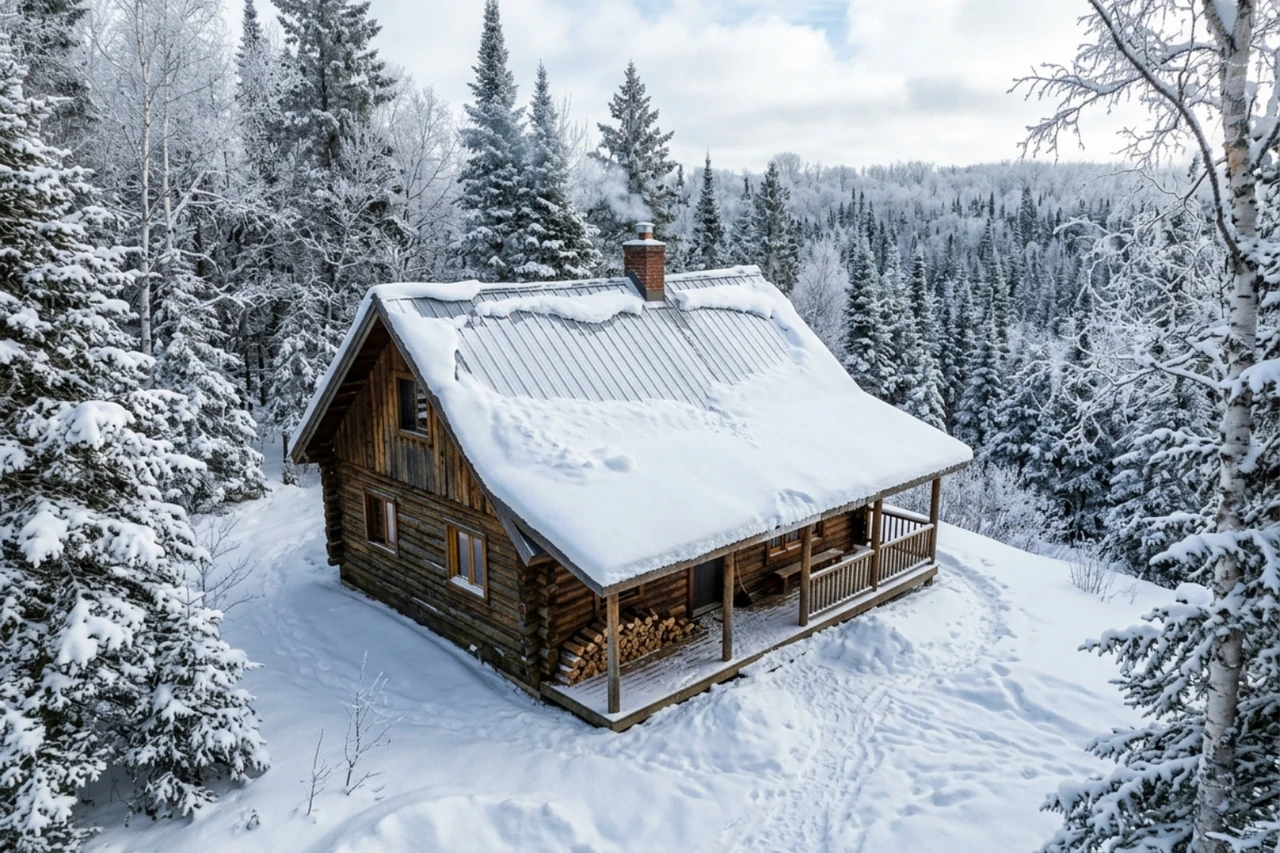
Living in Northern Wisconsin brings quiet woods and classic snowfalls, but it also places real demands on your home. Our region falls within USDA Climate Zone 6A, where winters feature extended sub-freezing spells, lake-effect winds, and seasonal snowfall totals that often hit 50 to 70 inches or more. In places like Eagle River, Minocqua, and Rhinelander, localized snow drifts can add thousands of pounds of extra weight to a roof system.
Standard home building in southern parts of the state might only call for roofs rated to hold 20 to 30 pounds per square foot. In the Northwoods, local conditions demand structural ratings of 40 to 60+ pounds per square foot. When heavy, wet snow piles up, it puts continuous pressure on rafters, fasteners, and roof decking.
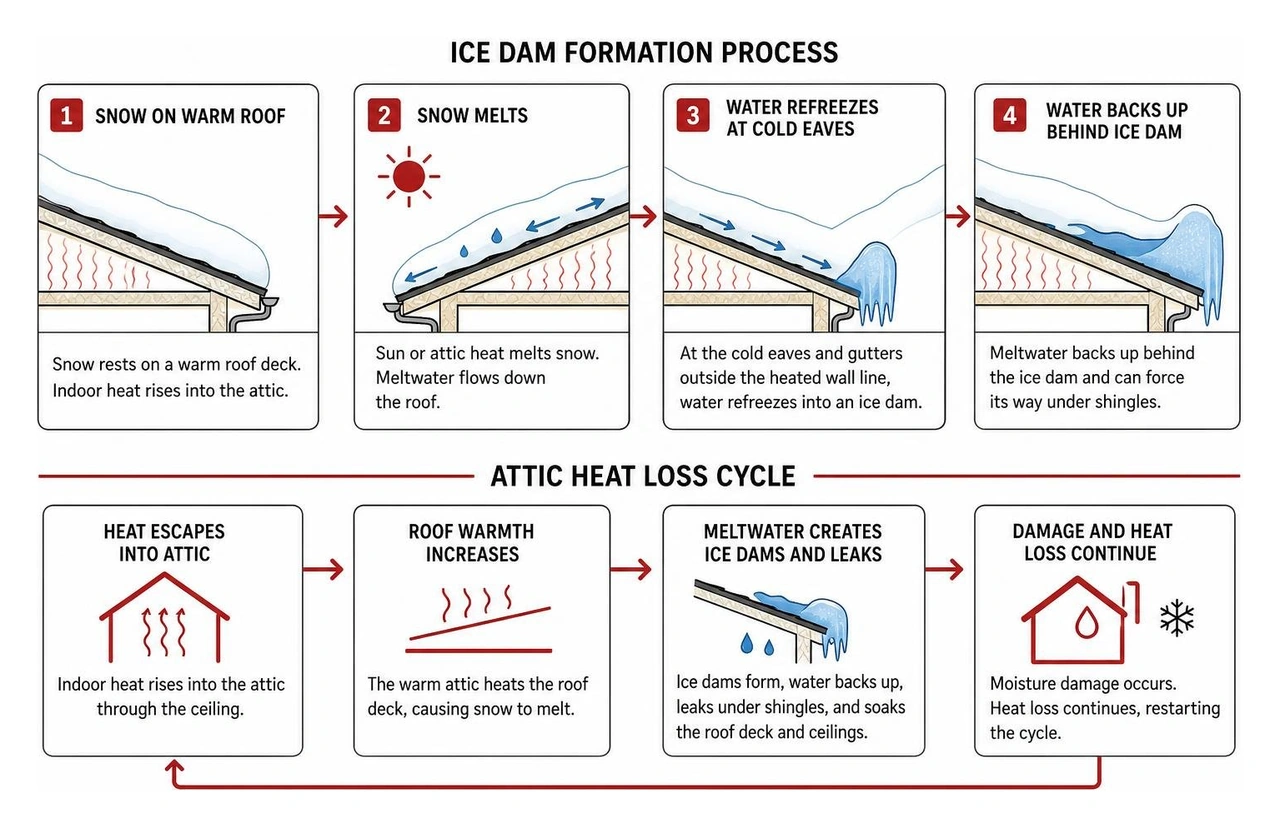
The real trouble usually starts with repeated freeze-thaw cycles. During sunny winter afternoons, or when indoor heat escapes into your attic, the snow directly resting on your warm roof deck begins to melt. That meltwater trickles down until it reaches the cold eaves and gutters, which sit outside the heated wall line.
Once it hits that sub-freezing edge, the water refreezes into a ridge of ice known as an ice dam. As more meltwater backs up behind this barrier, it can force its way under shingles, soak the roof deck, and eventually leak into ceilings and exterior walls. At the same time, expanding ice can loosen gutter brackets, pull standard gutters away from fascia boards, and crack aging sealants around roof flashings.
What Are the 5 Practical Steps to Prepare Your Roof and Gutters Before Winter?
Taking care of maintenance in early autumn gives you time to fix minor issues before freezing temperatures arrive in late 2026. Here are the five practical steps we recommend for every Northwoods property owner.
Step 1: Perform a Comprehensive Pre-Winter Roof Inspection
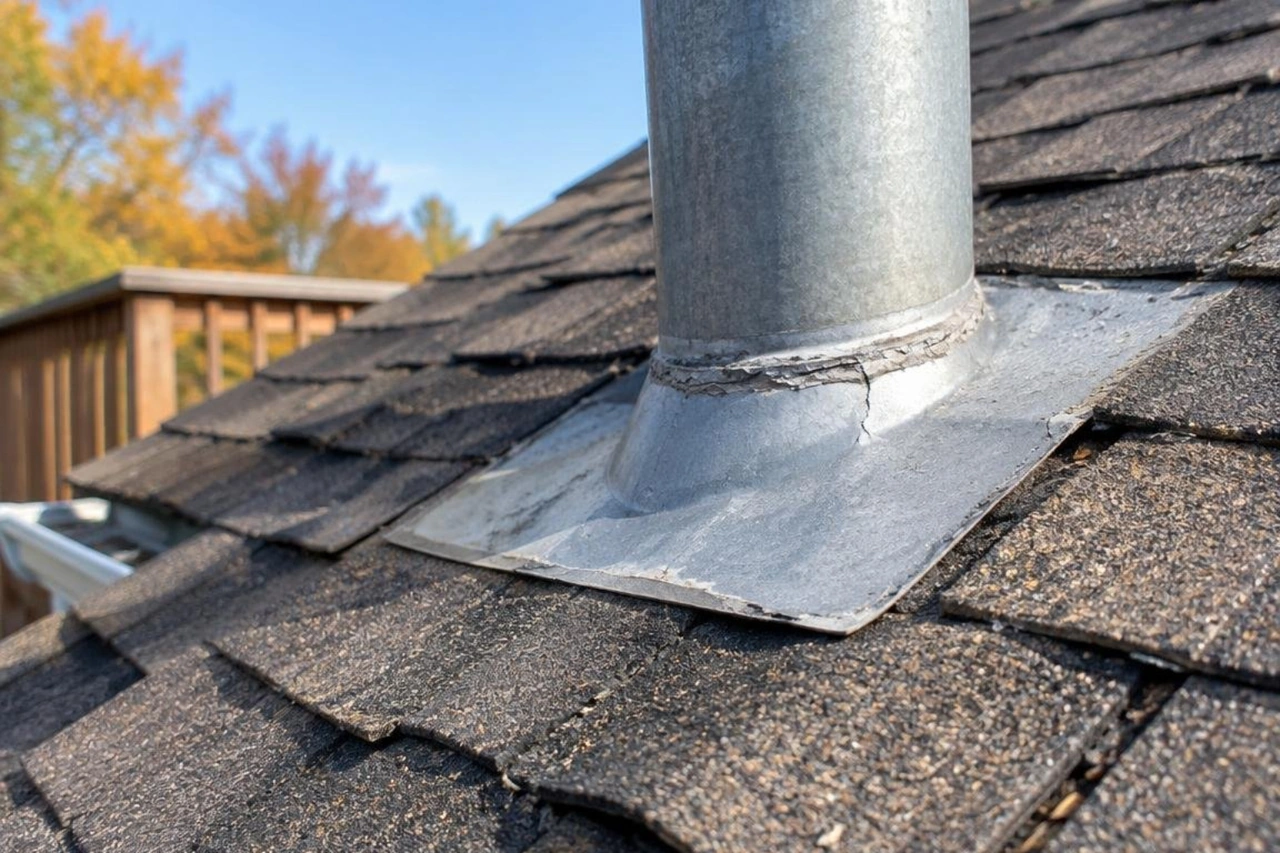
Before the first freeze, check your roof covering closely. Look for shingles that are curling, cracked, loose, or missing entirely. When shingle tabs lift or break, moisture from blowing snow can reach the underlying membrane and cause wood rot during mid-winter thaws.
Pay close attention to metal flashings around chimneys, vent pipes, dormers, and skylights. Over time, thermal expansion causes caulking to dry out and split. You can use our roof inspection checklist to track vulnerable areas and look for common roofing problems like rusted valley metal or soft decking around eaves.
For safety, we recommend assessing your roof from the ground with a pair of binoculars. If you spot trouble areas or have a steep roof pitch, schedule a professional assessment. Regular inspections also help protect your investment, especially since neglecting basic seasonal upkeep is one factor in what voids a roof warranty in Wisconsin.
Step 2: Thoroughly Clear and Flush Gutters and Downspouts
Heavy tree canopies of white pine, oak, and birch are classic Northwoods features, but they fill gutters with needles, leaves, and small twigs every fall. If gutters are clogged when winter sets in, trapped water turns into heavy, solid ice troughs that cannot drain melting snow.
- Scoop out organic matter: Clear all debris by hand or with a plastic gutter scoop to avoid scratching the metal finish.
- Flush with a hose: Run water down the gutters to confirm downspouts flow freely without hidden clogs in the elbows.
- Check the pitch: Ensure gutters slope slightly toward the downspouts (about a quarter-inch drop for every 10 feet of run) so water does not sit and freeze in low spots.
- Secure the hangers: Tighten loose mounting screws to make sure the troughs can handle the weight of winter snowmelt.
Upgrading older, seamed troughs using our seamless gutters guide Eagle River 2026 can help reduce weak spots where ice expansion tends to cause leaks. For seasonal properties, well-planned gutters for cabins northern Wisconsin direct drainage safely away from perimeter foundations to help prevent winter frost heave.
Step 3: Upgrade Attic Insulation and Ensure Balanced Ventilation
Ice dam prevention is largely about what happens underneath the roof deck. Your goal is to keep the roof surface at an even, cold temperature so snow does not melt unevenly over heated living spaces.
We usually recommend targeting attic insulation levels between R-49 and R-60 in Northern Wisconsin. Just as important is air sealing. Warm air easily escapes into the attic through bypasses around recessed lights, bathroom exhaust fan housings, drop ceilings, and chimney chases. Sealing these gaps with foam or caulk stops warm air drafts from creating warm spots on the roof above.
Proper ventilation balances this system. Soffit vents along the eaves pull cool outside air in, while ridge vents along the peak let warmer air escape. This continuous airflow keeps the entire roof deck cold. If you find yourself asking the common question, "why do I keep getting ice dams on the same spot every winter?", uneven insulation or blocked soffit baffles are often the primary cause. For a broader look at how harsh regional weather stresses homes, read Why Northwoods Winters Affect Property Condition to understand Climate Zone 6A dynamics.
Step 4: Trim Hazardous Tree Limbs and Clear Roof Overhangs
Heavy Northwoods snow and freezing rain place immense weight on tree canopies. Pine branches laden with wet snow can easily bend, snap, and fall onto your roof deck, puncturing shingles or crushing gutter runs.
Before winter storms arrive in towns like St. Germain or Three Lakes:
- Prune back dead, diseased, or overhanging branches within 6 to 10 feet of your roofline.
- Cut away low-hanging limbs that could scrape against asphalt shingle granules during high wind events.
- Thin out dense tree canopies directly over southern-facing eaves to allow natural sunlight to warm gutters during daytime thaws.
Step 5: Install Snow Guards Where Needed
If your home or cabin has a steep roof, especially a metal roof, snow and ice can slide off all at once in an avalanche. This sudden release can tear gutters off the fascia boards, damage landscaping, and create serious safety hazards over entry doors, walkways, and deck stairs.
Installing individual pad snow guards or continuous pipe-style snow rail systems holds the snowpack in place. This allows snow to melt gradually or shed in small, manageable amounts rather than one massive slide. If your eaves or flashing suffered minor damage during previous winters, our team can help you assess the structure through our roof repair services to ensure everything is secure before new snow guards are mounted.
Which Gutter and Roofing Systems Handle Heavy Snow Loads Best?
Selecting the right materials for a cold climate makes a noticeable difference in long-term maintenance and durability.
Gutter Sizing and Downspout Capacities for High Runoff
Standard 5-inch residential gutters often struggle on steep Northwoods cabin roofs during sudden spring thaws. When several inches of snow melt quickly under bright sunshine, undersized troughs can overflow, sending runoff straight down foundation walls.
When comparing 5 inch vs 6 inch gutters Wisconsin, 6-inch seamless gutters carry roughly 23% more water volume. That extra capacity helps manage heavy runoff on long roof slopes. If you are asking, "what size gutter and downspout do I need for a steep cabin roof in snow country?", pairing 6-inch troughs with oversized 3x4 inch downspouts allows water to drain twice as fast as standard 2x3 inch pipes.
Working with an experienced oversized downspouts installation contractor helps ensure downspouts are securely fastened to withstand winter wind and heavy ice. To choose the right materials for your property, review our guide on what type of gutters are best for homes in northern Wisconsin. You can explore full system options on our gutter services page.
Roofing Material Performance Under Freeze-Thaw Conditions
| Roofing System | Snow-Shedding Performance | Freeze-Thaw Resistance | Expected Lifespan in WI | Maintenance Profile |
|---|---|---|---|---|
| GAF Architectural Shingles | Moderate (holds snow for insulation, sheds steadily) | High (with proper ice and water shield) | 20 to 30 Years (depending on ventilation) | Low to Moderate (periodic inspection of flashings) |
| Standing Seam Metal | Rapid (smooth surface allows fast shedding) | Exceptional (interlocking seams, no exposed fasteners) | 40 to 60+ Years | Very Low (clearing snow guards and debris) |
| Commercial Flat Membranes (EPDM/TPO) | Low (requires positive slope toward scuppers) | High (flexible down to sub-zero temps) | 20 to 30 Years | Moderate (inspecting seams and drains) |
When exploring options for What is the best roof for snow and ice dams in Wisconsin, both heavy-duty asphalt shingles and standing seam metal perform well when installed to cold-climate specifications.
When evaluating How long does an asphalt shingle roof last in Wisconsin, proper installation is essential. For residential shingle projects, Eagle River Roofing exclusively installs GAF shingles. GAF architectural shingle systems feature strong adhesive seals and wide nailing zones that provide reliable wind resistance against winter lake winds.
Standing seam panels on a metal cabin roof provide fast snow shedding and conceal fasteners under raised seams where moisture cannot reach them. While standing seam metal is a durable option, it involves a higher upfront investment and may not suit every homeowner's budget. For a full breakdown of options for remote retreats, see our Northern Wisconsin cabin roof guide.
When Should You Hire a Professional Versus Completing DIY Maintenance?
Taking care of your roof should never put your safety at risk. Cold Northwoods weather brings frosty shingle surfaces, hidden black ice, and unstable ladder footing in snow-covered yards.
Tasks You Can Safely Handle Yourself:
- Clearing fallen leaves and pine needles from accessible ground-level gutter extensions.
- Gently raking snow from the lower edge of single-story eaves using an extension rake from the ground.
- Checking your attic on a cold day to look for damp insulation, drafts, or frost accumulation under the roof deck.
- Pruning small, ground-level shrubbery away from downspout drainage paths.
When It Makes Sense to Call a Professional:
- Climbing onto two-story or steep-slope roofs to inspect flashing, chimneys, or valleys.
- Repairing torn underlayment, loose flashing, or damaged vent boots.
- Refastening sagging gutters on high fascia boards.
- Assessing structural roof deflection caused by heavy snow loads.
If your roof is showing its age, our guide addressing the question, "Should I repair or replace my leaking roof in northern Wisconsin and who can give me an honest inspection?", can help you decide on the right step forward. You can also review common Roof replacement signs such as widespread granule loss, sagging decking, or recurring winter leaks.
Choosing a local contractor with proven cold-climate experience ensures your home gets the care it needs. Eagle River Roofing is locally owned, founded in late 2023, and built on a 50+ year legacy of local experience across Northern Wisconsin. Our crews have installed over 9,000 roofs and 8 million feet of gutters throughout our service history. As a GAF Master Elite contractor, we offer manufacturer-backed warranty coverage on qualifying projects, depending on product and registration. We respect your property with thorough magnetic nail sweeps, tidy job sites, and clear written quotes.
You can check pricing options directly with our instant roofing estimate tool or get in touch through our contact us page to schedule a visit.
Frequently Asked Questions About Preparing Northwoods Roofs and Gutters
How often should I clear snow from my roof during a Wisconsin winter?
We generally recommend monitoring your roof deck and considering snow removal whenever accumulation reaches 12 to 18 inches of heavy, wet snow or dense drifted pack.
- Work from the ground: Use a telescoping aluminum roof rake with built-in rollers or bumpers to avoid scraping shingles.
- Clear the lower eaves: Raking back the first 3 to 4 feet along the overhangs allows meltwater to reach the gutters freely.
- Leave a thin protective barrier: Keep 1 to 2 inches of snow on the roof rather than scraping bare shingles. This prevents granule loss and protects delicate cold-weather seal strips.
- Avoid harsh tools: Never use metal garden shovels, sharp ice picks, salt pucks, or open-flame heaters on your roof, as these can easily damage roofing materials and void manufacturer warranties.
What temperature should I keep a vacant Northwoods cabin to protect roofs and pipes?
If you leave your Northwoods cabin unoccupied during the winter months, maintain your interior heating at a minimum of 55°F. Most property insurance policies require this minimum threshold to maintain coverage for frozen or burst pipes.
Consider installing a smart Wi-Fi thermostat or remote temperature sensor that alerts your phone if power drops or your heating system fails during a sub-zero cold snap. If you fully winterize and shut down the cabin for the season, drain all domestic plumbing lines, blow out fixtures with compressed air, and pour non-toxic RV antifreeze into all sink traps and toilets. Make sure your attic access hatch is well-insulated and weatherstripped so warm living-area air does not leak into the attic space and create ice dams above.
Do gutter guards prevent ice dams in Northern Wisconsin?
Gutter guards do not prevent ice dams on their own. Ice dams form because of heat loss through the attic and temperature differences across the roof deck, not simply because a gutter is present.
However, high-quality micro-mesh or solid hood gutter protection systems can help by keeping pine needles, leaves, and maple seeds out of your gutters throughout the fall. When the gutters stay clear of organic debris, melting snow can drain freely through downspouts during daytime thaws rather than backing up over clogged troughs. When paired with proper attic insulation, balanced ventilation, and heavy-gauge seamless gutters, gutter guards reduce seasonal maintenance trips and support reliable winter water drainage.
This article is for general informational purposes only and may not reflect the most current products, pricing, codes, availability, weather-related recommendations, or roofing requirements for your specific property. Every home and roof is different, especially in the Northwoods. Please contact Eagle River Roofing directly for the latest information and guidance for your project.

