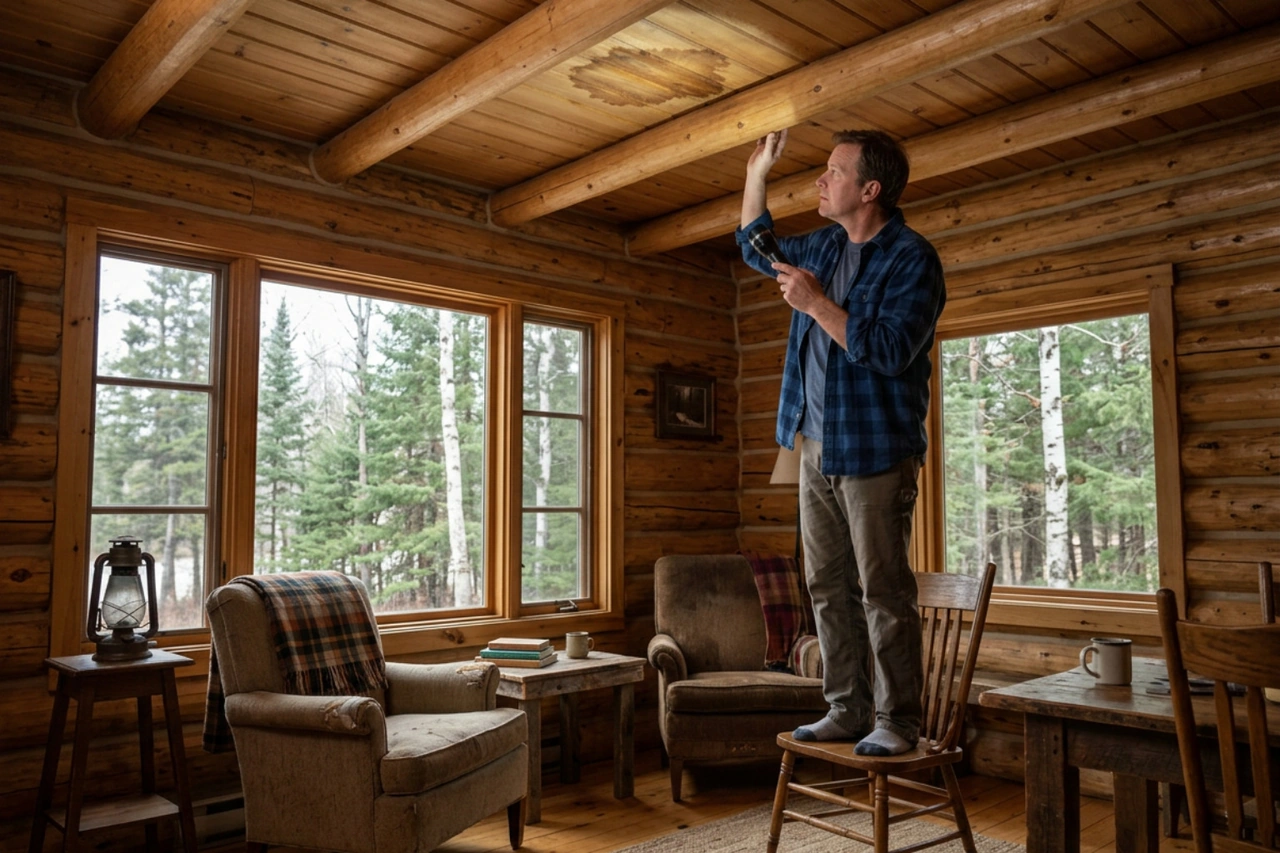
How Do You Know If Your Northern Wisconsin Roof Leak Needs a Spot Repair or a Full Replacement?
When you discover a damp ceiling stain or water dripping into your attic during a spring thaw, your first thought is usually about the budget. Do you just need a quick leak patch, or are you looking at a full structural project? Deciding between spot repairs and complete replacement comes down to a few clear physical factors that we evaluate on every inspection call across the Northwoods.
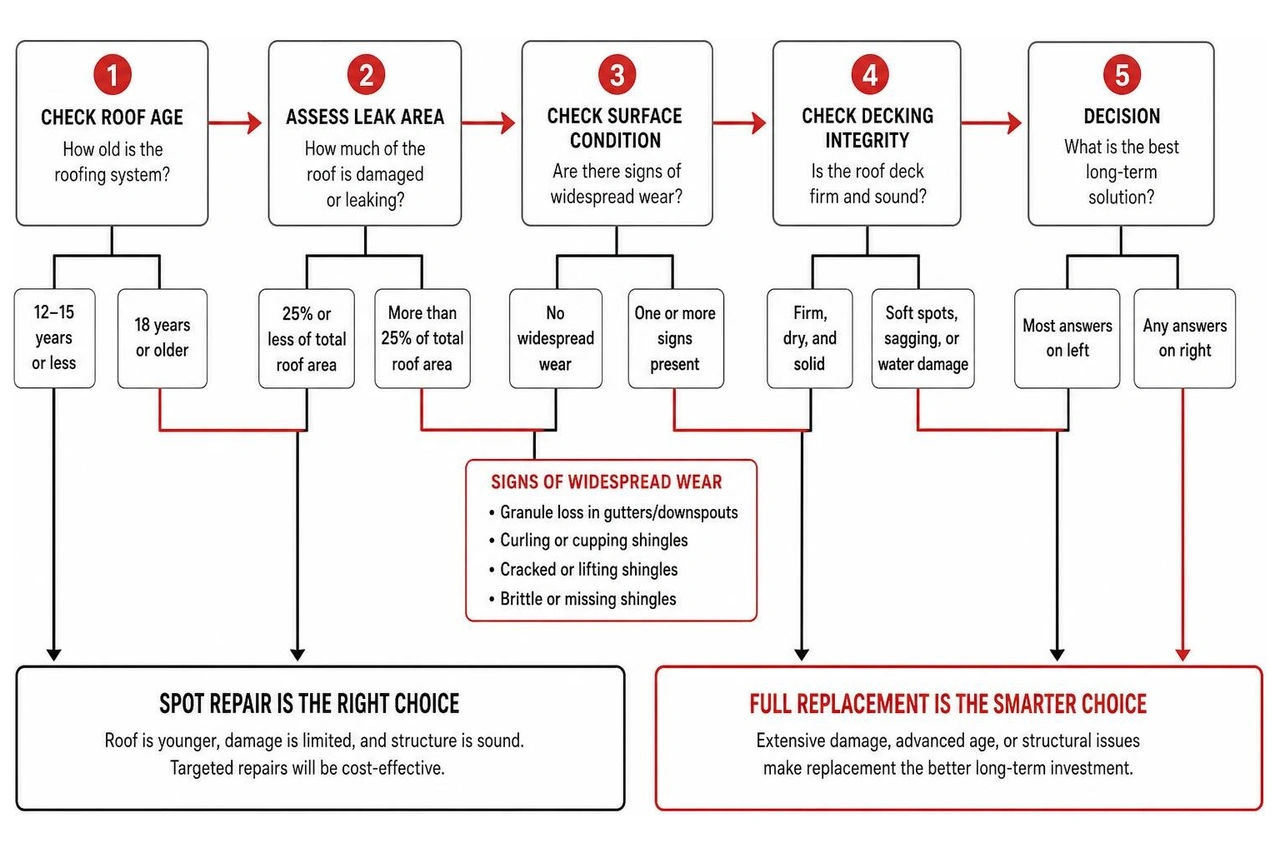
The age of your roofing system is often the single biggest factor. Asphalt shingle roofs in our region typically have an expected service lifespan of 20 to 25 years due to the climate stress they experience year after year. If your asphalt shingle roof is under 12 to 15 years old and the leak is isolated to one specific area, a targeted spot repair is usually the most cost-effective path forward. However, if your roof is 18 years or older, the asphalt materials have likely become brittle, lost essential mineral granules, and reached the end of their operational life. At that age, patching one spot often leads to another leak popping up nearby a few months later. You can read more in our detailed guide on How do you know whether your roof needs a repair or a full replacement.
Another crucial factor is the total extent of the damage. A general industry rule of thumb is that if localized damage covers more than 25% of your total roof surface, full replacement becomes the smarter financial choice. Beyond 25% coverage, the labor and material costs required to tear out and weave new shingles into aging, brittle surrounding materials quickly approach the cost of a clean install.
Look out for visible surface warnings that indicate widespread material failure:
- Granule Loss: Check your downspouts and rain gutters. Excessive accumulation of dark, sand-like mineral granules indicates that shingles have lost their primary shield against ultraviolet radiation and moisture.
- Curling and Cupping: Shingle edges that curl upward or cup in the middle mean the asphalt backing has dried out and can no longer seal flat against wind-driven rain.
- Cracked or Lifting Shingles: Shingles that have lost their adhesive sealant strip can flap in lake winds, allowing water to channel directly underneath.
- Decking Integrity: Soft, spongy decking when walked on or visible sagging in the roofline from the yard suggests water has penetrated beneath the underlayment and weakened the structural plywood or OSB deck boards.
Knowing these signs helps you spot trouble early. For a complete list of surface indicators, review our breakdown of Roof replacement signs.
When Is a Spot Repair the Right Choice?
A spot repair makes total sense when the overall roof structure remains healthy and the water entry point is contained. In our service calls across Eagle River, Rhinelander, and Minocqua, we frequently find that active leaks are caused by minor flashing failures rather than full shingle breakdown.
For instance, pipe boot seals made of rubber can crack after years of hard frost, allowing water to trickle down the vent pipe into the ceiling drywall. Similarly, metal step flashing tucked around chimneys or dormer sidewalls can lift during high winds or loosen as houses settle. Re-sealing or replacing compromised flashing, swapping out a handful of missing shingles after a summer windstorm, or repairing an isolated section of ice dam damage on a relatively young roof are ideal repair scenarios.
If you are dealing with localized leak symptoms, localized fixes provide long-lasting protection without unnecessary expenses. You can explore our dedicated options through our Services roofing roof repairs division.
When Does a Full Replacement Make More Sense?
A full replacement becomes necessary when patching can no longer guarantee a dry home. One clear sign is when a home already has two layers of shingles installed. Building codes in Wisconsin generally permit a maximum of two shingle layers, but installing new shingles over old ones hides structural decay, adds heavy weight, and traps moisture. In these situations, a complete tear-off down to the bare wooden deck is required to inspect for hidden wood rot, replace damaged plywood, and install modern water barrier protection. We never recommend installing new shingles directly over old ones; a full tear-off is the only reliable way to ensure structural soundness.
Replacement is also the practical answer when an aging asphalt roof exhibits widespread granule loss and stiffness across multiple slopes. When shingles become stiff, attempting to lift them to slide new flashing or shingles underneath often snaps the surrounding material, creating new leak points.
For property owners seeking maximum long-term durability against extreme weather, replacing an older asphalt roof with a heavy-gauge standing seam metal roof can be an excellent upgrade. Standing seam metal systems utilize hidden fasteners protected from wind and snow, allowing deep snow drifts to slide off easily. While metal roofing carries a higher initial investment compared to standard asphalt, its long service life makes it an appealing choice for cabins and homes throughout the region. Check out our comprehensive Metal roofing Wisconsin guide to compare material benefits.
What Specific Climate Factors Cause Roof Leaks and Ice Dams in the Northwoods?
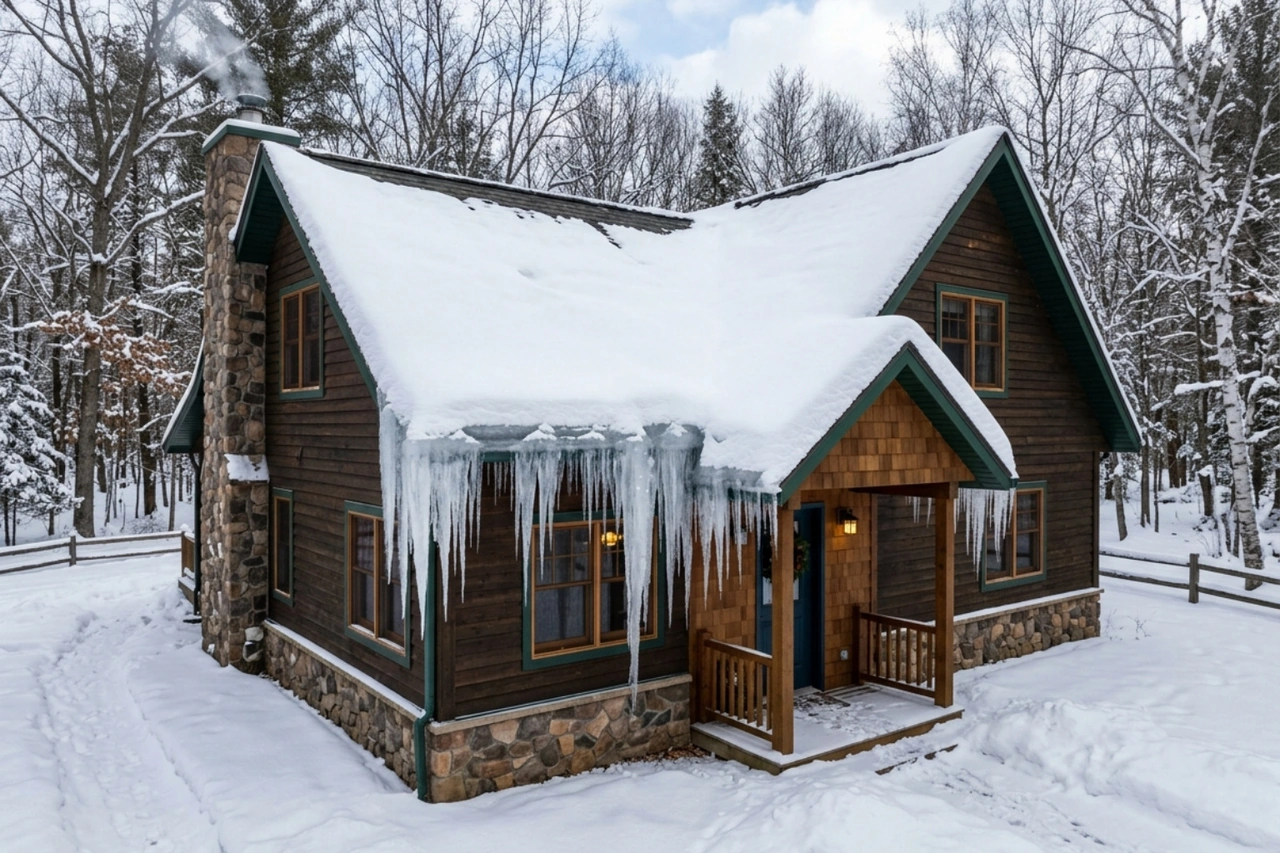
Roofing in Northern Wisconsin requires materials and techniques tailored to harsh winter weather. Homes in Eagle River, Rhinelander, Minocqua, St. Germain, and Three Lakes face environmental pressures that southern areas rarely experience. Understanding these weather patterns explains why roofs fail and helps identify effective preventative solutions.
Ice dams are the leading cause of winter roof leaks in our area. An ice dam forms through a simple thermodynamic chain reaction:
- Attic Heat Loss: Warm air from living spaces escapes into the attic due to gaps in air sealing or inadequate attic insulation.
- Snow Melt: This escaped heat warms the upper roof deck, melting the bottom layer of heavy snow resting on the shingles.
- Water Runoff: Meltwater flows down the sloping roof under the snow pack until it reaches the unheated roof eaves hanging past the exterior walls.
- Refreezing: At the cold eave, temperatures remain below freezing, causing the meltwater to refreeze into a solid ridge of ice.
- Water Backup: As more snow melts higher up, water pools behind the ice ridge. Unable to drain into the gutters, this trapped water backs up under the shingle overlaps, soaking through underlying felt and dripping into attic insulation and interior ceilings.
For a deeper dive into winter protection strategies, see our guide on What is the best roof for snow and ice dams in Wisconsin.
Aside from ice dams, severe lake winds and heavy rain storms can pull aged flashing away from wall joints and crack rubber pipe boots. Furthermore, the lush pine canopies that make Northwoods properties beautiful present their own challenges. Falling pine needles, leaves, and tree debris collect in roof valleys and gutter channels. This organic matter holds moisture against shingle surfaces, slowing down natural drying and accelerating granule decay. Over time, trapped pine needles act like a sponge, wicking moisture under shingle edges during prolonged rainy spells.
Addressing these weather vulnerabilities requires balanced attic airflow and adequate insulation. Building science recommendations for Wisconsin attics suggest maintaining insulation levels between R-49 and R-60. Combined with continuous ridge vents and soffit intake vents, proper insulation helps keep the roof deck cold during sub-zero stretches, reducing the heat loss that causes ice dams. Knowing these details helps ensure prompt roof repair and fast leak detection after winter weather.
How Do the Financial Costs of Roof Repair Compare to Full Replacement in Wisconsin?
Making an informed decision requires looking at both immediate out-of-pocket costs and long-term financial value. In Wisconsin, the total cost for a residential roof replacement varies significantly based on project scope. This variation depends on roof size, architectural pitch, material selection (such as standard GAF architectural shingles versus premium metal systems), and underlying decking repairs. You can explore localized cost breakdowns in our comprehensive guide to Average roof replacement cost Wisconsin.
By comparison, localized repair expenses generally cover minor pipe boot seals or loose shingle fixes up to tracing and repairing complex flashing leaks or ice dam damage. Extensive repair projects involving structural decking fixes naturally require greater investment.
While a minor repair bill is far easier on immediate cash flow than a full replacement, repeating those repairs every season on an aging roof quickly becomes an inefficient drain on resources. If your roof is approaching 20 years of age, spending ongoing funds over two years on multiple patch jobs merely delays an inevitable replacement while risking interior water damage to drywall, hardwood floors, and attic insulation.
Properly insulating and sealing your roof space also delivers ongoing monthly energy savings. The EPA estimates that home air sealing and upgrading attic insulation yields average energy savings of about 15% on heating and cooling costs. Given that ENERGY STAR data indicates 9 out of 10 U.S. homes are under-insulated, combining a roof upgrade with attic insulation enhancements can help offset seasonal energy bills.
| Financial & Performance Metric | Localized Roof Repair | Full Roof Replacement (GAF Shingles) | Full Roof Replacement (Standing Seam Metal) |
|---|---|---|---|
| Typical Upfront Cost Range | Lower initial investment | Moderate investment (varies by size/pitch) | Premium investment (varies by size/pitch) |
| Expected System Lifespan | Extends current roof 1 to 5 years | 20 to 25+ years (GAF System) | 40 to 70 years |
| Warranty Protection | Workmanship coverage on repaired area | Up to 50-year material / 25-year workmanship on qualifying installations | Extended material & finish warranties |
| Energy Efficiency Impact | Minimal impact on whole-home performance | High (when paired with new ventilation/underlayment) | Highest (reflective coatings reduce thermal absorption) |
| Resale & Curb Appeal Value | Maintains current state; visible patch potential | Boosts home market appeal and buyer confidence | Maximum curb appeal and high long-term ROI |
Evaluating Long-Term Value and ROI
When evaluating a complete replacement, consider the long-term protection offered by complete roofing systems. For residential asphalt projects, we exclusively install GAF shingle systems. As a certified GAF Master Elite contractor, a distinction held by only the top 2% of roofing contractors in North America, we can offer factory-backed warranty options like the GAF Golden Pledge, which can provide 50 years of material coverage and 25 years of comprehensive workmanship protection on qualifying installations.
If your leak stemmed from a sudden weather event like hail or falling tree branches, your homeowners insurance policy may assist with funding. It is important to compare your policy deductible against the total repair estimate. For minor fixes that cost only slightly more than your deductible, paying out of pocket is often wiser to avoid potential rate increases or policy changes. For major storm damage requiring extensive restoration, insurance coverage can help cover a significant portion of the replacement costs. To help budget for your project, you can easily request a clear breakdown using our Services roofing instant estimate portal.
What Should You Expect During a Thorough and Honest Roof Inspection?
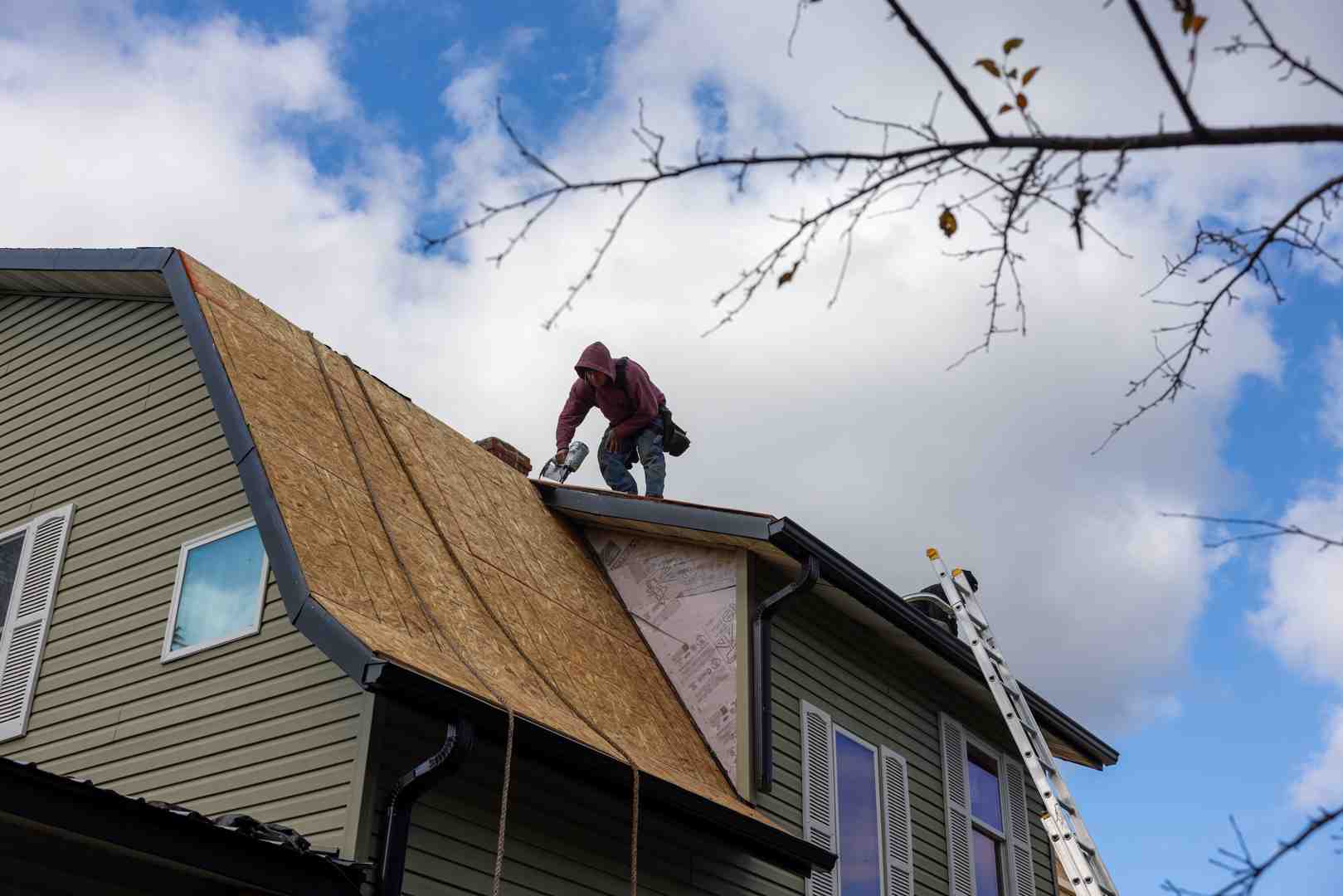
An honest roof inspection should feel like an educational consultation, not a high-pressure sales pitch. You should expect an inspector to thoroughly examine every component of your roof system, from the exterior shingles down to the interior attic framing.
A proper, professional inspection includes several key steps:
- Exterior Surface Assessment: Checking shingles for cracking, curling, blistered surfaces, or storm hail impacts. Inspecting ridge caps and valley lines for signs of wear.
- Flashing and Seam Examination: Carefully inspecting metal flashing around chimneys, skylights, sidewalls, and plumbing vent boots to ensure water-tight seals remain intact.
- Gutter and Drainage Inspection: Checking gutters for heavy granule accumulation, improper slope, or blockage that causes water to pool along eaves.
- Interior Attic Investigation: Clambering into the attic space to check the underside of the roof deck for damp wood, rusted nails, dark water stains, mold growth, or crushed insulation.
- Ventilation Audit: Measuring soffit intake vents and ridge exhaust capacity to verify proper air turnover that helps prevent winter ice dams.
You can review our full checklist for property owners by reading our guide on the Roof inspection checklist.
Following the physical walkthrough, an honest contractor should provide you with complete documentation. This includes high-resolution digital photographs detailing every issue discovered, a written summary of findings, and a clear, itemized proposal that distinguishes urgent needs from optional maintenance. Learn more about evaluating quotes in our article on What should be included in a roofing estimate.
If you are navigating an insurance claim after a major wind or hail storm, detailed photo documentation and itemized findings are essential. Experienced contractors can meet directly with your insurance adjuster on-site to review damage details together, ensuring no hidden flashing leaks or bruised shingle mats are overlooked during the claim adjustment process.
Across Wisconsin, reputable contractors build long-term trust through clear documentation. Regional companies like Buckshot General Contracting (with 47 years in business), ARC Contracting (operating since 2006), and Valiant Roofing (operating for over 8 years since starting in 2019) showcase how long-term local service depends on honest assessments.
How Can You Spot an Honest Local Roofing Contractor and Avoid Pressure Sales Tactics?
Finding a trustworthy roofing contractor in Northern Wisconsin requires verifying credentials, reviewing local history, and knowing how to identify common sales red flags. Your roof is your home's main defense against extreme winter weather, so partnering with an established, licensed expert gives you long-term peace of mind.
To make an informed choice, consider these essential vetting criteria:
- Manufacturer Certifications: Look for advanced industry certifications, such as GAF Master Elite status. This designation is awarded to only the top 2% of roofing contractors in North America and requires ongoing professional training, proper licensing, and high standards of customer satisfaction.
- Verified BBB Accreditation & Ratings: Verify that the company maintains an active, accredited profile with the Better Business Bureau. For example, A-RITE Exteriors maintains an A+ rating with the BBB, demonstrating a solid commitment to resolving customer concerns.
- Physical Local Presence: Ensure the contractor maintains an established local office in the area rather than operating out of an out-of-state mobile truck. Local presence ensures the crew will be around years down the road to stand behind their workmanship warranties.
- Customer Reviews: Read third-party review platforms. For instance, Buckshot General Contracting maintains a 4.9-star Google rating across 80 reviews, reflecting consistent customer satisfaction.
Learn more about selecting the right installer with our guide on How do I choose a roofing contractor.
Be cautious of high-pressure sales tactics. Watch out for out-of-state "storm chasers" who knock on doors immediately after hail storms, push you to sign same-day contracts, or insist on full roof replacements when a simple spot repair is all that's needed.
When reviewing your inspection findings, ask the contractor directly: "Can my roof safely last another winter with targeted repairs?" An honest roofer will give you a clear, photo-backed answer explaining the pros and cons of both options rather than pushing an unnecessary replacement.
At Eagle River Roofing, we take pride in delivering honest, pressure-free assessments. While Eagle River Roofing was established in late 2023, our team builds upon a deep local family heritage in the trades. Over time, our experienced crew members have contributed to installing thousands of roofs and millions of feet of gutters across Northern Wisconsin. We keep our job sites clean, provide transparent written quotes, and focus on delivering practical recommendations tailored to your budget. You can easily schedule a no-obligation evaluation through our Free roof estimate page, or check out our local business directory connections like THE BEST 10 PLUMBING NEAR THREE LAKES, WI 54562.
What Are the Most Frequently Asked Questions About Northwoods Roof Repairs?
Why does my interior water stain not line up with where the roof is leaking?
Water stains on interior ceiling drywall rarely line up directly with the leak point on the exterior roof surface. Water is opportunistic; when it penetrates through a damaged shingle or cracked chimney flashing higher up the roof slope, it drips onto the synthetic underlayment or wooden deck boards. From there, gravity pulls the water down along roof rafters, trusses, or electrical conduit until it reaches a low point or joint in the drywall, where it finally drips down and forms a visible ceiling stain.
An experienced inspector typically examines your attic space to trace water tracking trails along roof framing rather than simply guessing based on where the ceiling stain appears.
Will homeowners insurance cover my roof leak in Northern Wisconsin?
Homeowners insurance policies generally help cover roof leaks if the damage was caused by a sudden, accidental event covered by your policy, such as high wind gusts tearing shingles off, hail impacts, or a falling tree branch breaking roof rafters during a severe storm.
Insurance policies typically exclude coverage for leaks resulting from age, normal wear and tear, or a lack of routine home maintenance. Additionally, coverage outcomes depend on whether your policy uses Replacement Cost Value (RCV) or Actual Cash Value (ACV), which factors in material age depreciation. A reliable contractor can document roof damage with date-stamped photos to assist your insurance adjuster during the evaluation process.
How long does a standard roof replacement take to complete?
For most standard residential homes in Northern Wisconsin, a complete asphalt shingle roof replacement is often completed in one to three days, depending on total roof size, pitch steepness, weather conditions, and structural decking repairs; confirm specifics during your estimate.
A professional crew follows a structured, efficient process:
- Preparation: Setting up protective tarps around siding, windows, flowerbeds, and decks.
- Tear-Off: Removing old shingle layers and underlayment down to the bare wooden deck.
- Deck Inspection & Repair: Replacing soft or water-rotted plywood sheets.
- Component Installation: Installing ice and water shield along eaves and valleys, synthetic underlayment, drip edge, GAF starter shingles, and new flashing.
- Shingle & Ridge Application: Securing architectural asphalt shingles and continuous ridge ventilation.
- Cleanup: Performing a thorough site cleanup, including running magnetic sweeps across the yard and driveway to pick up loose nails.
Homeowners can typically stay inside their homes during the replacement process, though normal daytime construction noise should be expected. Clear communication before installation day ensures your project proceeds smoothly from start to finish.
This article is for general informational purposes only and may not reflect the most current products, pricing, codes, availability, weather-related recommendations, or roofing requirements for your specific property. Every home and roof is different, especially in the Northwoods. Please contact Eagle River Roofing directly for the latest information and guidance for your project.

