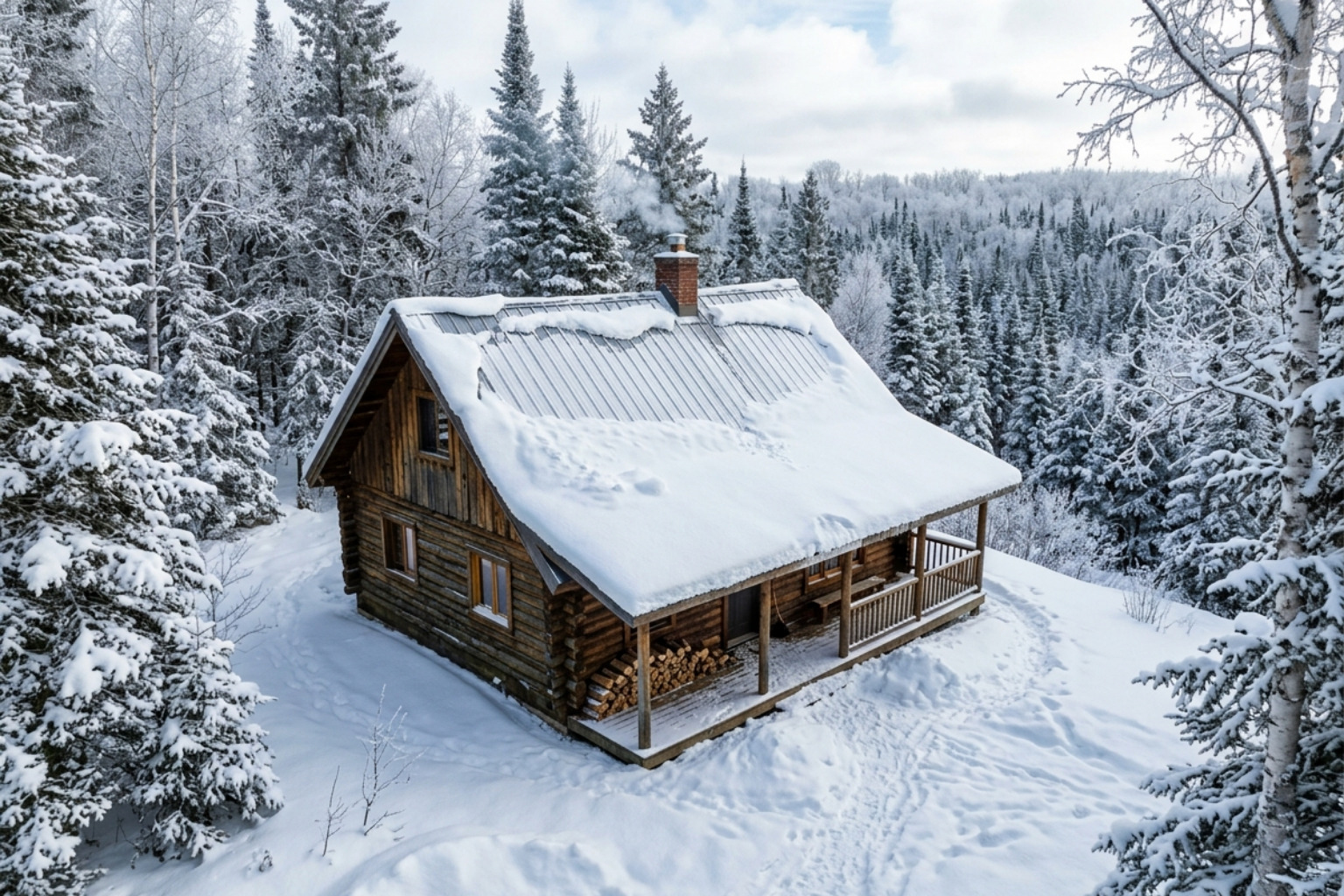
When Your Cabin Roof Can't Wait Another Winter
A metal cabin roof is one of the smartest long-term investments you can make for a Northwoods property. Here is a quick look at why cabin owners choose metal and what your best options are:
Best metal roofing options for cabins:
| Option | Best For | Lifespan |
|---|---|---|
| Standing seam | Maximum durability, leak resistance | 50-75 years |
| Corrugated panels | Budget-friendly, rustic look | 30-60 years |
| Stone-coated steel | Rustic aesthetics, extreme weather | 40-70 years |
| Galvalume steel | Corrosion resistance, all climates | 40-70 years |
Metal roofs hold up against heavy snow, ice dams, high winds, and wildfire risk. They shed snow naturally, resist rot and mildew, and rarely need major repairs. For a remote cabin where re-roofing is a big logistical hassle, doing it once with metal is the practical choice.
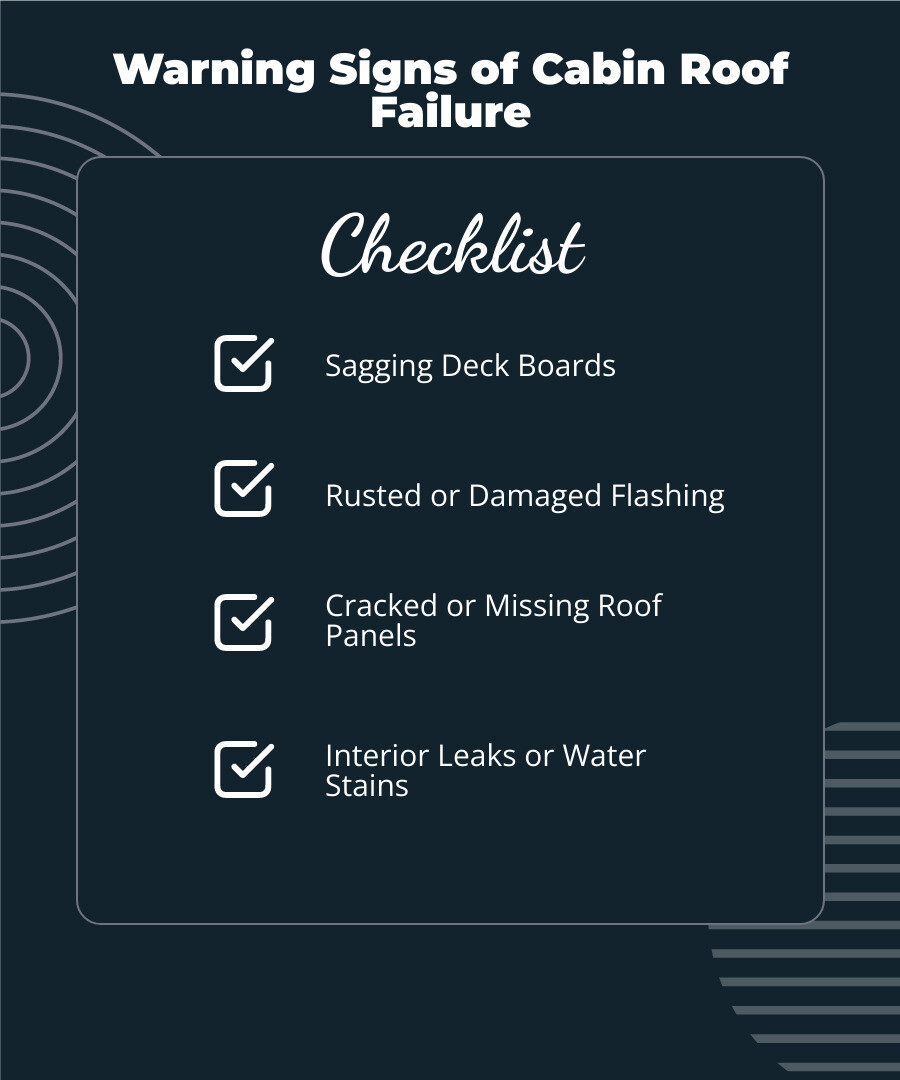
But here is the problem many cabin owners face right now, in April 2026: years of hard Northwoods winters have quietly done their damage. Sagging deck boards, rusted flashing, and cracked or missing panels are warning signs that a roof is close to failing. Ignore them long enough, and you are looking at structural collapse, water damage to the interior, and a much bigger repair bill.
This guide walks you through everything you need to know to fix an aging cabin roof before it becomes a disaster.
I'm Tyler Blair, owner of Eagle River Roofing, and our team has replaced metal cabin roofs across the Northwoods through some of the region's toughest winters. If you are weighing your options for a metal cabin roof, we can help you make the right call for your property and your budget.
Metal cabin roof further reading:
- asphalt shingle roof replacement cost wisconsin
- new roof installation northwoods wi
- roofing company eagle river wi
Why a metal cabin roof is the best defense against Northwoods winters
If you live in Eagle River, Minocqua, or anywhere in the Northwoods, you know that winter is the ultimate test for a building. A traditional roof might look nice for a few years, but the constant cycle of freezing and thawing can be brutal. A metal cabin roof is built to handle these exact conditions.
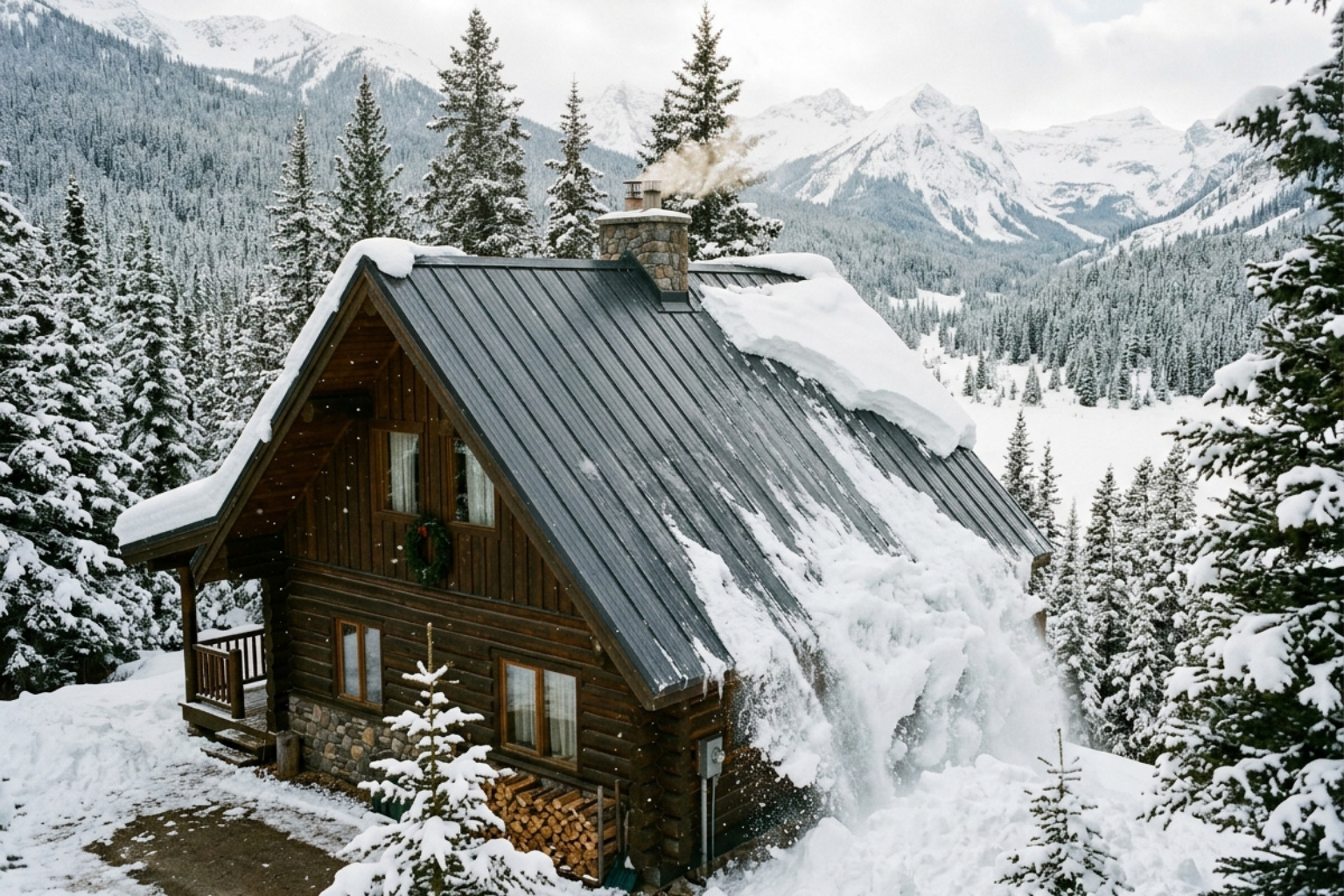
One of the biggest perks is snow shedding. While asphalt shingles tend to grip onto snow, letting it pile up until it weighs thousands of pounds, metal is slick. When the sun hits a metal roof, the snow slides right off. This prevents the heavy weight from straining your cabin's rafters and, more importantly, it stops ice dams from forming. Ice dams happen when snow melts and refreezes at the eaves, backing up water under shingles. With metal, that water has nowhere to go but down the gutter.
Safety is another huge factor. Northwoods cabins are often tucked away in heavily forested areas. In the dry months, the threat of wildfire is real. Metal roofs are incombustible and carry a Class A fire rating, the highest possible. They won't ignite from flying embers, and because they are lightweight, they are less likely to cause a premature roof collapse if a fire were to start inside.
As noted in this article on why your log cabin absolutely needs a metal roof, metal provides a "one and done" solution. For more details on the process, you can check out our guide on cabin roof replacement.
Weather resistance and uplift ratings
In places like Tomahawk or Rhinelander, we get some pretty howling winds and driving rains. When we install a metal cabin roof, we aren't just putting up "tin sheets." These systems are engineered and tested for extreme weather.
Modern metal panels are independently tested for water penetration and wind uplift. This means they are rated to stay attached to your cabin even during severe storms with high-velocity winds. Whether it's a mountaintop retreat or a lakeside cottage, these roofs are designed to meet or exceed strict building codes for structural performance. You can see a great example of this durability in this building showcase of a mountaintop cabin, where a black metal roof provides both a modern look and incredible protection at high elevations.
Aesthetic options for your metal cabin roof
Gone are the days when a metal roof meant your cabin would look like a machine shop. Today, there are over 90 different panel profiles and a rainbow of color options. If you want to keep that classic Northwoods vibe, you can choose stone-coated steel that mimics the look of wood shakes or clay tiles.
Green is a very popular choice for cabins because it blends perfectly with the pine and cedar trees surrounding properties in Arbor Vitae or St. Germain. Matte black or charcoal gray provides a sleek, modern "mountain" look that makes a statement without clashing with the landscape. You can find plenty of inspiration for these log home and cabin designs that use metal to enhance the natural beauty of the wood and stone.
Comparing installation methods: Standing seam vs. exposed fasteners
When you decide on a metal cabin roof, you have a big choice to make: how the panels are actually attached to your roof. This choice affects the price, the look, and how often you'll need to think about maintenance.
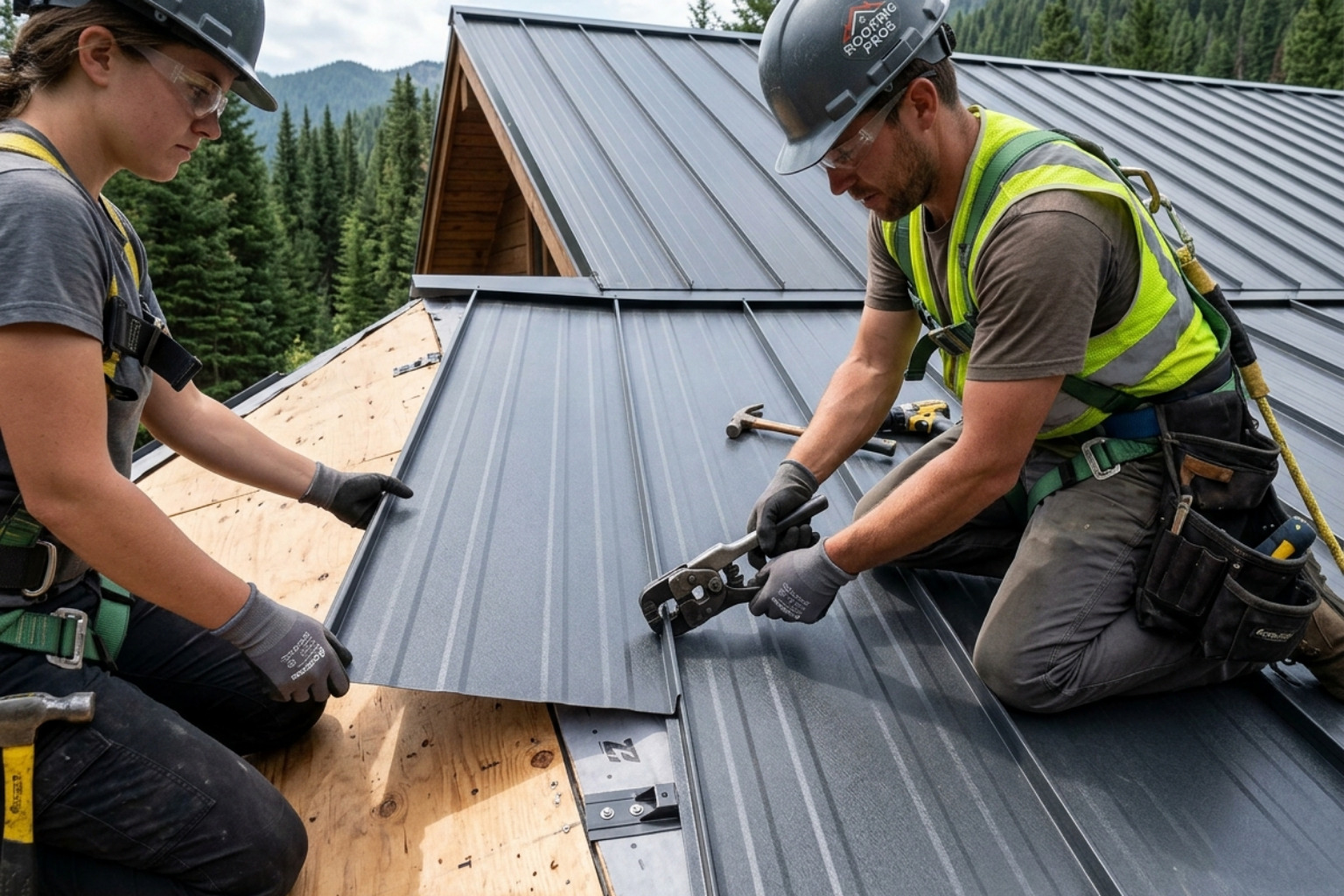
Standing seam is often considered the "gold standard." In this system, the fasteners (the screws) are hidden underneath the metal. The panels interlock at a raised rib, or "seam," which stands up above the flat part of the roof. Because the screws aren't exposed to the sun, rain, and snow, there is almost zero chance of a leak developing at a fastener point. It also handles thermal expansion, which is the way metal grows and shrinks as the temperature changes, much better because the panels can "slide" slightly on their clips.
For a deeper dive into these options, see our metal roofing Wisconsin guide.
Standing Seam vs. Corrugated Performance
| Feature | Standing Seam | Corrugated (Exposed Fastener) |
|---|---|---|
| Fastener Type | Hidden/Concealed | Exposed (Visible) |
| Leak Risk | Extremely Low | Moderate (Over time) |
| DIY Friendly | No (Requires pros) | Yes (Easier for sheds) |
| Maintenance | Minimal | Hardware checks every 10 years |
| Price | Higher upfront | Budget-friendly |
The benefits of corrugated panels
If you are looking for a more budget-friendly option for a seasonal cabin or an outbuilding in Three Lakes, corrugated panels are a fantastic choice. These are the "wavy" or ribbed panels where the screws are drilled right through the face of the metal.
These panels offer a very traditional, rustic charm. They are also slightly better at dampening noise from rain because the air pockets under the corrugations act as a bit of insulation. While they do require you to check the rubber washers on the screws every decade or so to make sure they haven't cracked, they provide excellent protection for a fraction of the cost. Learn more about corrugated steel roofing sheets here.
Maintaining your metal cabin roof for 50+ years
A metal roof is low maintenance, but "low" doesn't mean "no." To get that 50 to 70-year lifespan, we recommend a few simple steps.
First, do an annual inspection. You don't even necessarily have to get on a ladder; a good pair of binoculars can help you spot loose trim or debris buildup. Second, keep your gutters clear. If pine needles and leaves pile up, they can trap moisture against the metal or the fascia boards, leading to rot. Finally, if you have an exposed fastener roof, have a pro check that the screws are still tight every few years. As the metal expands and contracts in the Wisconsin heat and cold, those screws can occasionally back out just a tiny bit. For more tips, check out this guide on choosing durability and style.
Choosing the right material and gauge for your metal cabin roof
Not all metal is created equal. The "gauge" refers to the thickness of the metal. In the roofing world, a lower number means a thicker panel.
For most Northwoods cabins, we recommend 24-gauge or 26-gauge steel. A 24-gauge panel is quite thick and sturdy, perfect for handling heavy snow loads and resisting dents from falling branches or hail. Some big-box retailers sell 29-gauge or 31-gauge "utility" panels, but those are usually too thin for a primary residence or a high-value cabin; they are better suited for small garden sheds. If you are considering a residential shingle replacement instead, we only recommend GAF shingles for their superior quality.
Material-wise, Galvalume is a top choice. It’s steel coated with a mix of aluminum and zinc, giving it incredible rust resistance. If your cabin is near a body of water with high humidity, or if you just want the longest-lasting option, aluminum is another great choice because it literally cannot rust. You can find more details on aluminum roofing sheet prices to see how it fits your budget.
Understanding metal thickness and panel length
The structural strength of your roof also depends on the "rib height," which is how tall the ridges are on the panel. Taller ribs usually mean a stiffer, stronger panel that can span longer distances between supports.
We can often get panels in lengths up to 16 feet or even longer, which means we can cover many cabin roofs from the ridge to the eave with one single piece of metal. This eliminates horizontal seams, which are the most common places for leaks to start on older roofs. If you're curious about the investment, we have a breakdown of the average price of a metal roof that explains how these factors influence the total.
Energy efficiency and reflective coatings
A common myth is that a metal cabin roof will make your home feel like an oven in the summer. It's actually the opposite! Metal reflects solar radiant heat. While asphalt shingles soak up the sun and radiate that heat into your attic all night long, metal bounces it away.
By using "Cool Roof" coatings with high SRI (Solar Reflective Index) ratings, you can actually reduce your cooling costs by 10% to 25%. This is a huge plus for those humid July weeks in the Northwoods. We compare these benefits further in our metal roof cost vs shingles Wisconsin guide.
Frequently Asked Questions about cabin roofing
How long does a metal roof last on a cabin?
You can expect a properly installed metal cabin roof to last between 40 and 70 years. Some materials like copper or zinc can even last over 100 years! This is two to three times longer than the lifespan of a typical asphalt shingle roof, which usually needs replacing every 15 to 20 years in our climate.
Is a metal roof too noisy during Northwoods rainstorms?
This is the number one question we get. If you were standing in a barn with no ceiling, yes, it would be loud. But in a cabin with a proper attic, thick insulation, and solid roof decking, you likely won't notice a difference. In fact, many of our customers tell us they find the soft "drumming" of rain on the roof quite relaxing. If you are worried about it, we can install sound-dampening underlayments.
Can a metal roof handle the heavy snow loads in Eagle River?
Absolutely. In fact, they handle it better than almost anything else. Because the snow slides off, the weight never has a chance to build up to dangerous levels. We do recommend "snow guards" (small brackets that hold snow in place) over doorways and walkways so you don't get a "mini-avalanche" on your head when you walk out the door!
Conclusion
Fixing an old cabin roof before it caved in is all about being proactive. In the Northwoods, your roof is your first line of defense against the elements. Choosing a metal cabin roof ensures that your getaway remains safe, dry, and beautiful for decades to come.
At Eagle River Roofing, we take pride in our work. We know the local codes, we understand the local weather, and we treat every job site with respect. We keep things tidy and communicate clearly so you aren't left wondering what's happening with your home.
If you're ready to protect your cabin with a roof that’s as tough as the Northwoods themselves, we'd love to help. For more information about our roofing services, give us a call or visit our website. Let's make sure your cabin is ready for whatever next winter brings!
This article is for general informational purposes only and may not reflect the most current products, pricing, codes, availability, weather-related recommendations, or roofing requirements for your specific property. Every home and roof is different, especially in the Northwoods. Please contact Eagle River Roofing directly for the latest information and guidance for your project.

