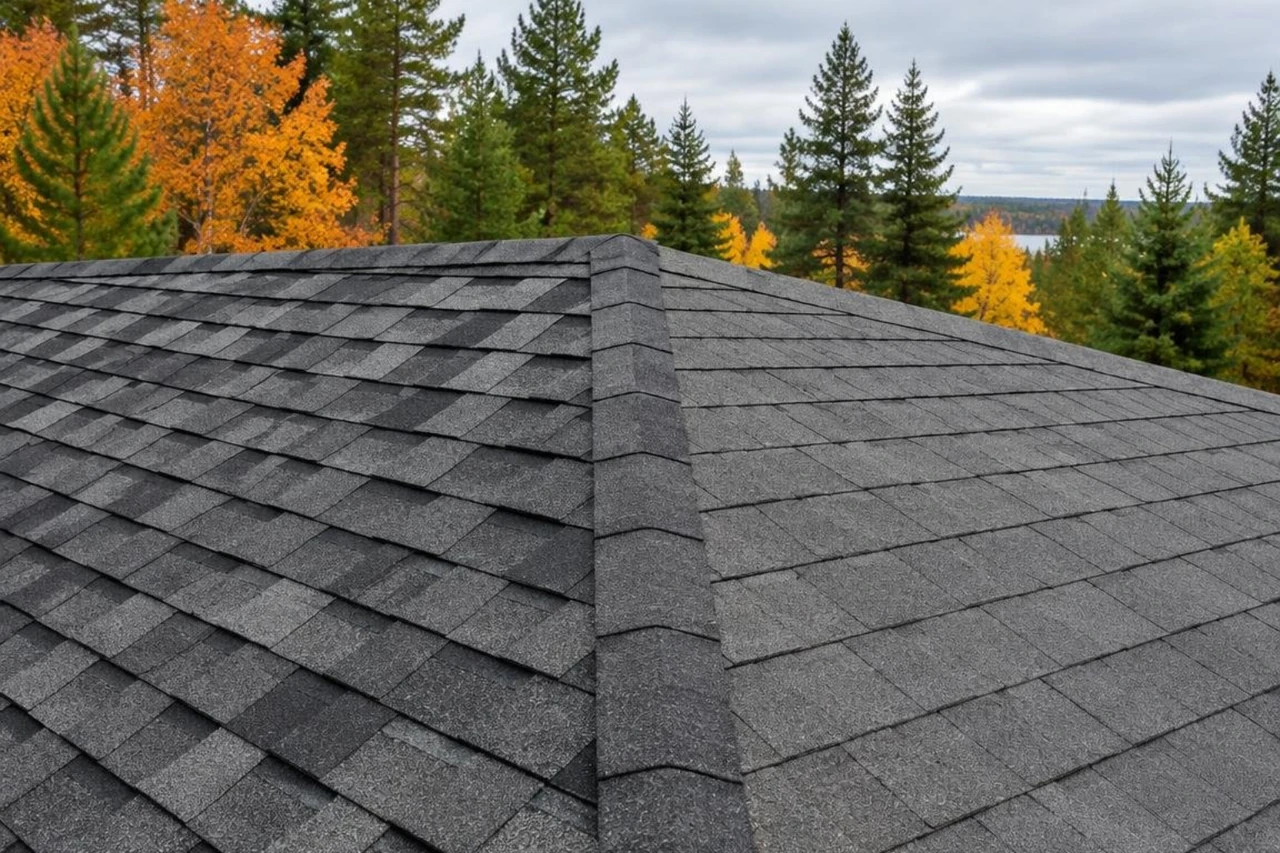
Why Architectural Shingles Make Sense in Northern Wisconsin
For most Northwoods homes and cabins, architectural shingles in Wisconsin are the more practical choice than three-tab shingles. Their layered construction creates a fuller look and generally offers better wind resistance. Three-tab shingles have a flatter, simpler look, but neither type can stop ice dams on its own.
Around Eagle River, snow, thawing ice, and wind put the whole roof to work. That’s why we look beyond the shingle: protection at vulnerable edges and good attic ventilation matter, too. We’ll walk through those differences so you can choose what fits your home or cabin.
I’m Tyler Blair, owner of locally owned Eagle River Roofing, where I help homeowners choose architectural shingles in Wisconsin and plan roof replacements for Northwoods weather. Our team is GAF Master Elite, and we focus on clear written quotes and tidy job sites as we put that plan into practice.

Understanding Architectural Shingles in Wisconsin and How They Compare to 3-Tab
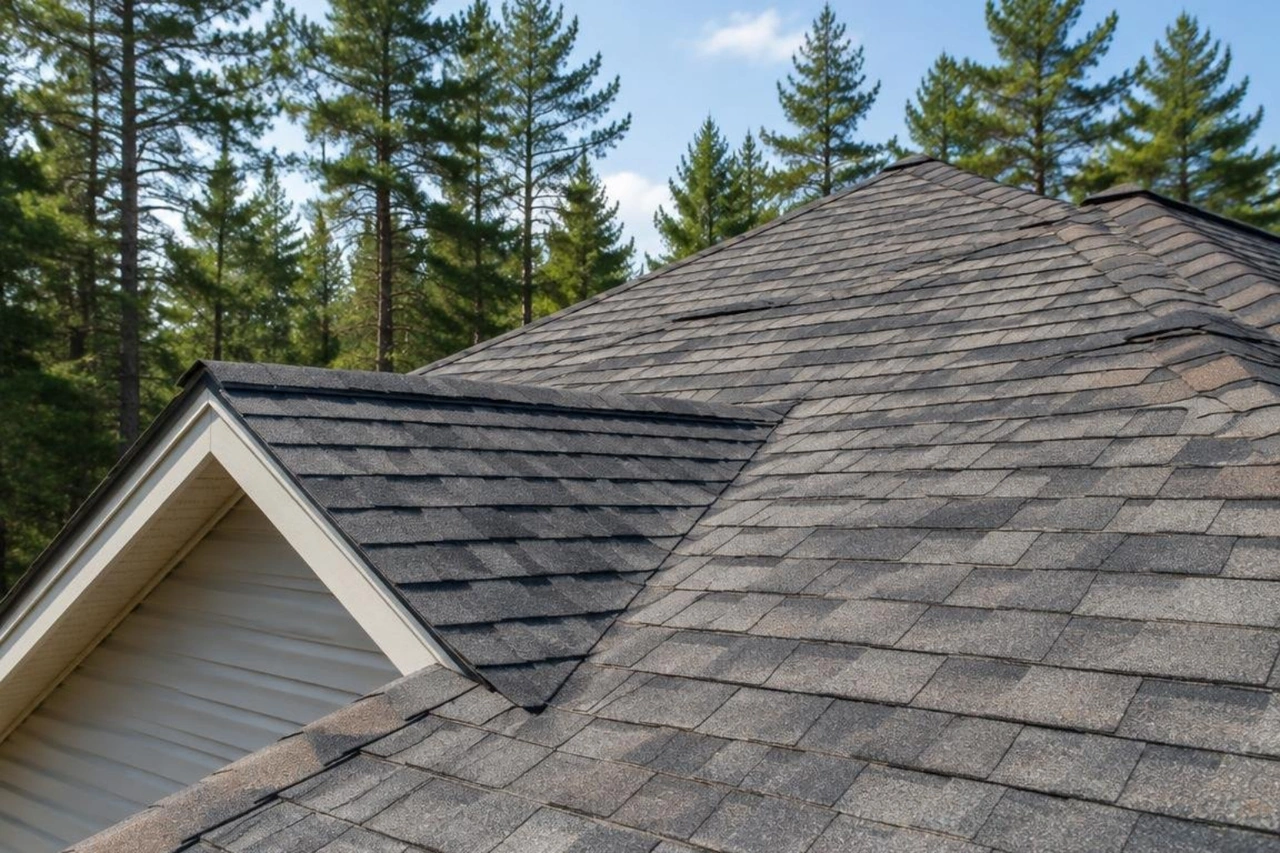
When you look closely at standard three-tab shingles, you notice they are flat, single-layer strips with cutouts creating uniform rectangles across the roof. In contrast, architectural shingles, also known as dimensional or laminated shingles, are constructed by bonding two or more layers of fiberglass mat and asphalt together. This multi-layered design produces natural depth, random tab sizing, and distinct shadow lines that give a roof a richer, textured appearance reminiscent of wood shake.
While three-tab shingles served as the standard residential roofing product for decades, architectural shingles are now the more common choice up north. The added thickness does not just improve the look of a home; it also provides greater structural rigidity against outdoor elements. For homeowners who want to learn more about material composition and profile styles, exploring the design of Architectural Shingles for Your Roof | GAF offers a detailed look at modern dimensional manufacturing.
| Feature | Architectural (Dimensional) Shingles | Standard 3-Tab Shingles |
|---|---|---|
| Construction | Multi-layer laminated fiberglass and asphalt | Single-layer flat fiberglass strip with cutouts |
| Appearance | Textured with deep shadow lines and dimensional depth | Flat, uniform grid pattern |
| Wind Performance | Heavy-duty bond designed for higher wind resistance | Lighter tabs more prone to wind lift |
| Weight | Heavier per square foot for added durability | Lighter weight per square foot |
| Northwoods Suitability | Our standard choice for Northwoods weather | Less common on Northwoods roofs today |
Why Architectural Shingles in Wisconsin Handle Heavy Snow and Lake Winds
Living in northern Wisconsin means dealing with sustained winter weather, lake effect winds, and significant freeze-thaw cycles. In areas near Minocqua, Rhinelander, and Three Lakes, winter roofs carry heavy snowpacks that slowly melt and refreeze as temperatures fluctuate between day and night.
Laminated dimensional shingles are designed with strong adhesive sealant strips and heavy mats that help keep them firmly bonded to the roof deck during severe lake winds and sudden cold fronts. Lighter, flat three-tab shingles have exposed cutouts where wind can catch the edges, leading to tab tear-offs over time. Understanding how different asphalt products hold up over years of exposure is important when planning your exterior updates, which is why we explain overall asphalt shingle lifespan in Wisconsin to help property owners make informed decisions.
Why Modern Dimensional Shingles Fit Northwoods Cabins and Homes
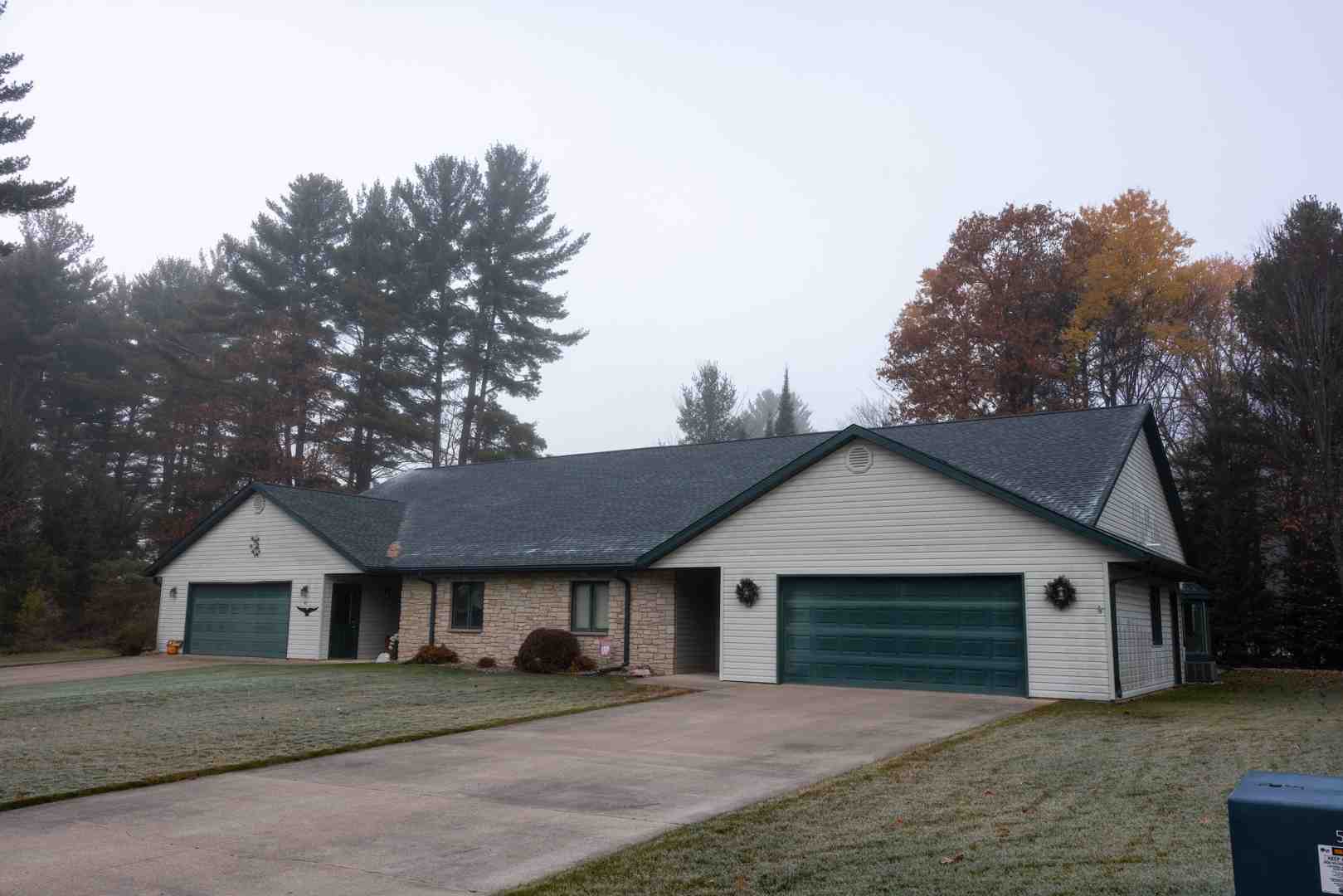
The aesthetic of a home or cabin in northern Wisconsin often centers around natural, rustic surroundings. Whether your property sits among the pines in St. Germain or overlooks a chain of lakes in Eagle River, architectural shingles complement timber siding, stone accents, and wooded lots far better than flat shingles.
Their dimensional profile creates shadow lines that disguise minor surface irregularities and help blend the roofline into natural tree canopies. Many architectural shingles also come with algae-resistant granules, which can help on shaded roofs surrounded by tall hardwoods and pines. For cabin owners seeking the right balance between rustic style and practical weather protection, our northern Wisconsin cabin roof guide covers additional tips on selecting materials that fit the local environment.
The Complete Roof System: Protection Beyond the Shingle Layer
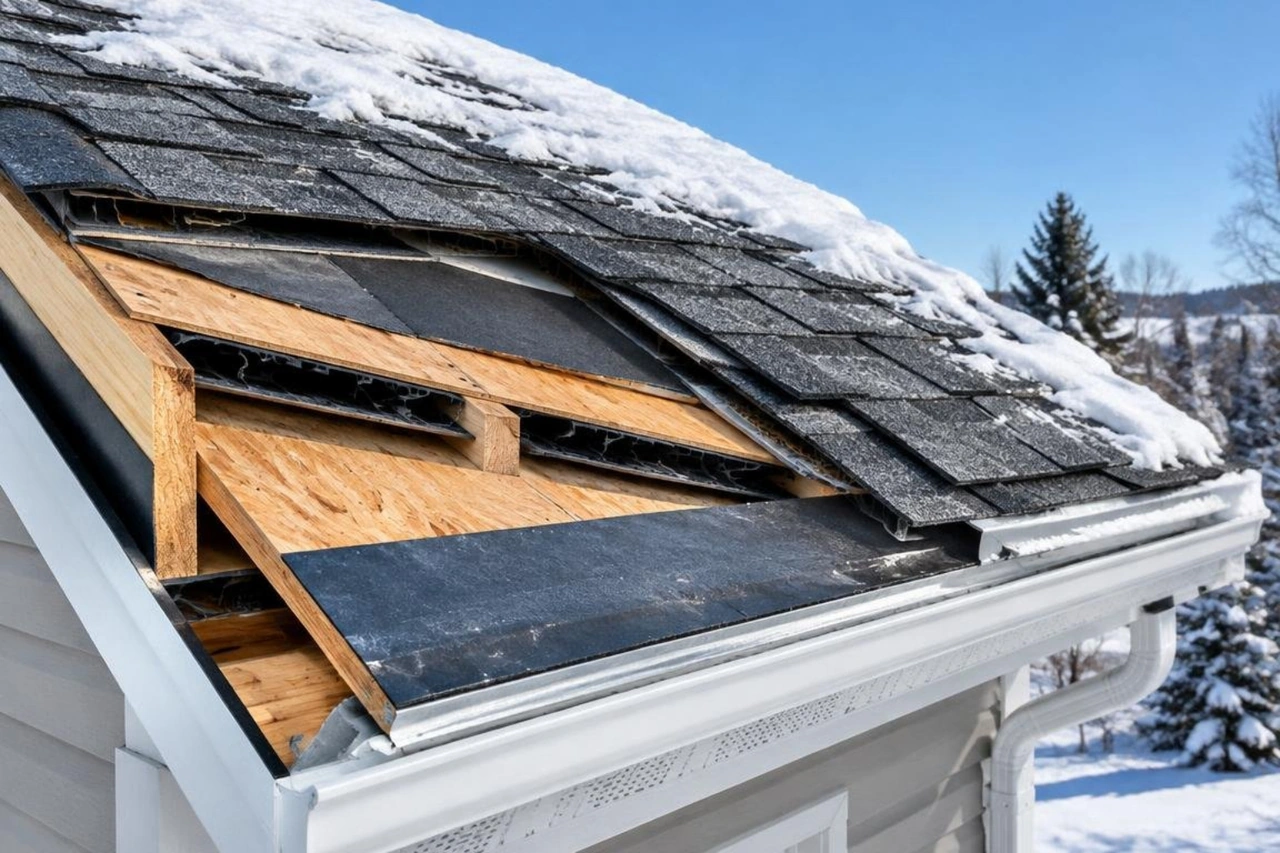
A high-performing roof requires far more than just quality surface shingles. The shingles are simply the visible exterior shield of a multi-part weatherproofing system. Underneath, a clean and sturdy roof deck provides the structural foundation, while specialized membranes manage water, snow, and air movement.
In northern climates, ice dams frequently form when heat escaping from the living space warms the roof deck, melting the bottom layer of snow. That water runs down to the cold eave, refreezes, and forms an ice ridge that traps subsequent meltwater. Because standing water can back up underneath shingle tabs, installing self-adhering ice and water shield in vulnerable areas like eaves and valleys helps protect your home from leaks.
How Balanced Attic Ventilation Helps Manage Winter Moisture
Good attic ventilation is a big part of a healthy roof up north. A balanced ventilation design uses continuous intake vents at the soffits and exhaust vents along the roof ridge to create natural, passive airflow through the attic space.
During the cold winter months, this continuous airflow helps carry away warm, humid air that rises from the living areas below. Keeping the attic temperature close to the outside temperature helps reduce the rapid snow melting that triggers ice damming, while also protecting roof framing and insulation from moisture accumulation. Taking the right steps for reducing snow and ice dams requires this complete combination of balanced intake, exhaust airflow, proper insulation, and self-adhering eave protection.
Why Architectural Shingles in Wisconsin Are Our Standard Installation Choice
Because of the demanding climate in the Northwoods, we focus on providing high-performing, long-lasting roofing systems. For residential asphalt roof replacements, GAF is our primary shingle brand. We choose architectural shingles as our standard because they provide the durability, wind resistance, and visual quality that our local weather demands.
We proudly install the GAF Timberline series, bringing high manufacturing standards and dependable performance to every project. Understanding what GAF Master Elite status means for homeowners helps explain why certified installation practices matter. When high-grade materials are installed by a certified team, qualifying projects can receive strong system warranty coverage and dependable protection designed to help withstand northern Wisconsin winters.
Frequently Asked Questions About Northwoods Roofing
Can dimensional shingles handle northern Wisconsin winter ice dams?
Dimensional shingles are built to shed water and handle heavy snow loads, but no shingle by itself can stop an ice dam from forming. Ice dams are caused by heat loss and temperature differences on the roof surface. To protect your home when ice dams occur, architectural shingles work best with a self-adhering ice barrier membrane along the eaves and a properly balanced attic ventilation system.
How do I choose the right shingle color for a home or cabin in the woods?
For Northwoods homes surrounded by trees, rich earth tones like weathered wood, charcoal, bark brown, and slate grey often work well. These shades complement natural log, cedar, or rustic siding while easily blending into the forest landscape. Darker, multi-toned dimensional shingles also help disguise fallen pine needles and organic tree debris between seasonal cleanings.
When is the right time to replace aging shingles up north?
Common signs that your shingles need replacement include widespread granule loss, curling or cracked edges, visible tab damage from high winds, or recurring winter leaks around flashings. Scheduling a roof replacement during late spring, summer, or early autumn is generally ideal so the shingle adhesive strips can properly seal in warm sunshine before cold weather arrives. Reviewing the ideal time of year to replace a roof can help you plan your project smoothly.
Talk Through Your Shingle Options With Us
Eagle River Roofing is locally owned and operated by people who live here. The brand started in late 2023 and is built on more than 50 years of local roofing experience. As a GAF Master Elite contractor, we give you a clear, written quote and keep a tidy job site.
Whether you are updating a family home in Rhinelander or replacing a cabin roof near Three Lakes, we are here to provide honest, no-pressure guidance. To explore our full line of professional roofing services or request a free estimate, call our friendly team at (715) 892-8328 Monday through Friday from 8:00 AM to 5:00 PM, or try our convenient instant estimate tool online today.
Sources
This article is for general informational purposes only and may not reflect the most current products, pricing, codes, availability, weather-related recommendations, or roofing requirements for your specific property. Every home and roof is different, especially in the Northwoods. Please contact Eagle River Roofing directly for the latest information and guidance for your project.

